US Blockade of Strait of Hormuz Triggers Global Food and Energy Crisis Warnings
The United States military blockade of the Strait of Hormuz, ordered by President Donald Trump following the collapse of peace talks with Iran, has triggered urgent warnings from international organisations about the risk of a global food catastrophe and an energy crisis that could push the world economy into recession.
The blockade, which prevents vessels from entering or exiting Iranian ports, has disrupted one of the world's most critical shipping lanes — through which roughly a fifth of global oil supplies pass — sending energy prices sharply higher and raising alarm bells from Washington to Beijing.
Background
The US-Iran conflict escalated dramatically in early 2026, with the breakdown of peace negotiations leading President Trump to order a military blockade of the Strait of Hormuz. The move was framed by the White House as an effort to prevent Iran from "blackmailing or extorting the world," but it has been condemned by a wide range of countries and international organisations as dangerous and destabilising.
Key Developments
The UN Food and Agriculture Organization warned on 13 April 2026 that a prolonged disruption to Hormuz shipping could trigger a food "catastrophe," as the strait is a critical route for grain and food commodity shipments as well as oil and gas. China's Foreign Ministry condemned the blockade as "dangerous and irresponsible," while NATO allies including the UK and France declined to participate.
The IMF warned that the Iran war could slow global growth to its weakest level since the Covid-19 pandemic. Oil prices have surged, with knock-on effects for inflation and consumer spending across the world. At Shannon Airport in Ireland, a man was arrested on 13 April 2026 for allegedly causing extensive damage to a US military C-130 Hercules aircraft with a hatchet, in an incident that drew widespread attention.
Why It Matters
The Hormuz blockade is not just a regional crisis — it is a global one. The disruption to energy and food supplies affects every country on earth, with the poorest nations most vulnerable to the consequences. The refusal of key US allies, including the UK and France, to participate in the blockade signals a significant fracture in the Western alliance.
What's Next
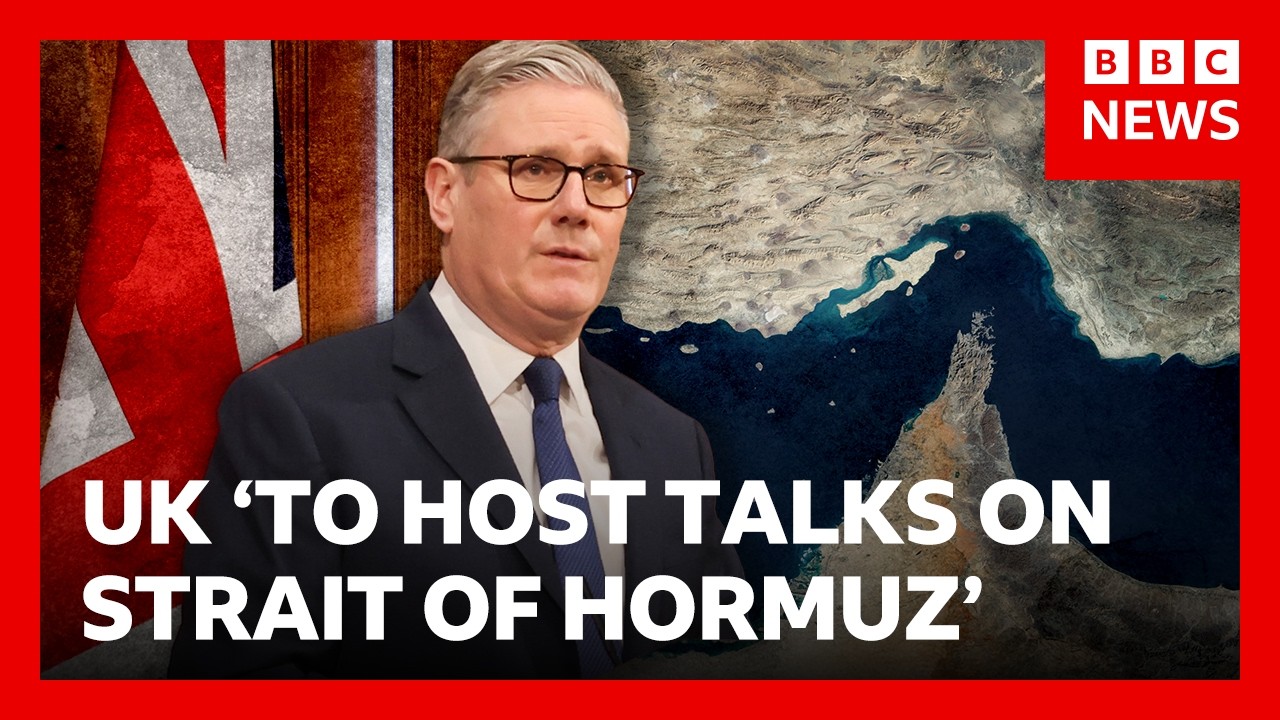
The UK and France are co-hosting an emergency summit with more than 40 nations to develop a plan to reopen the strait and secure a ceasefire. Diplomatic efforts are intensifying, but the situation remains highly volatile. For the latest updates, see The New York Times' coverage.