US Imposes Naval Blockade on Iranian Ports as Peace Talks Collapse in Islamabad
The United States has imposed a naval blockade on Iranian ports after peace talks in Islamabad collapsed following 21 hours of negotiations, in a dramatic escalation of the US-Iran conflict that has sent global oil prices to record highs and drawn condemnation from European allies, the Pope, and China.
US Central Command announced on Monday 13 April that the blockade would be "enforced impartially against vessels of all nations" entering and exiting Iranian ports on the Arabian Gulf and Gulf of Oman, effective from 14:00 GMT. The announcement came after Vice President J.D. Vance led the US delegation in talks that ultimately failed to produce an agreement.
Background
The blockade represents a major escalation in the conflict between the United States and Iran, which has been building for several months. The Strait of Hormuz, through which approximately 20% of the world's oil passes in peacetime, is now at the centre of a geopolitical crisis with potentially severe consequences for global energy markets and international trade.
Israel has publicly backed the US blockade, while European nations including France, Spain, and the UK have distanced themselves from the action. Pope Leo XIV, who has been increasingly vocal in his criticism of the war, described it as being fuelled by a "delusion of omnipotence" and vowed to "continue to speak out loudly against war."
Key Developments
European oil prices surged to a record high of nearly $150 a barrel in response to the blockade announcement, raising fears of severe inflationary consequences across the continent. The European Union warned of the growing threat posed by the disruption to global shipping.
In a separate but related development, Hungary's Viktor Orbán conceded defeat in the country's general election on 12 April, ending his 16-year tenure. The election was widely seen as a referendum on Orbán's alignment with populist movements and his often contentious relationship with Western allies — a result that may shift the EU's internal dynamics on the Iran crisis.
The US military also reported conducting strikes on two boats in the eastern Pacific Ocean, killing five people, as part of the Trump administration's intensified campaign against alleged drug traffickers in Latin America.
Why It Matters
The blockade of Iranian ports is one of the most significant acts of naval warfare since the Second World War. Its impact on global oil supplies, shipping routes, and international trade will be felt far beyond the Middle East. For the UK and Ireland, already grappling with elevated energy costs, a prolonged blockade could trigger a severe economic shock.
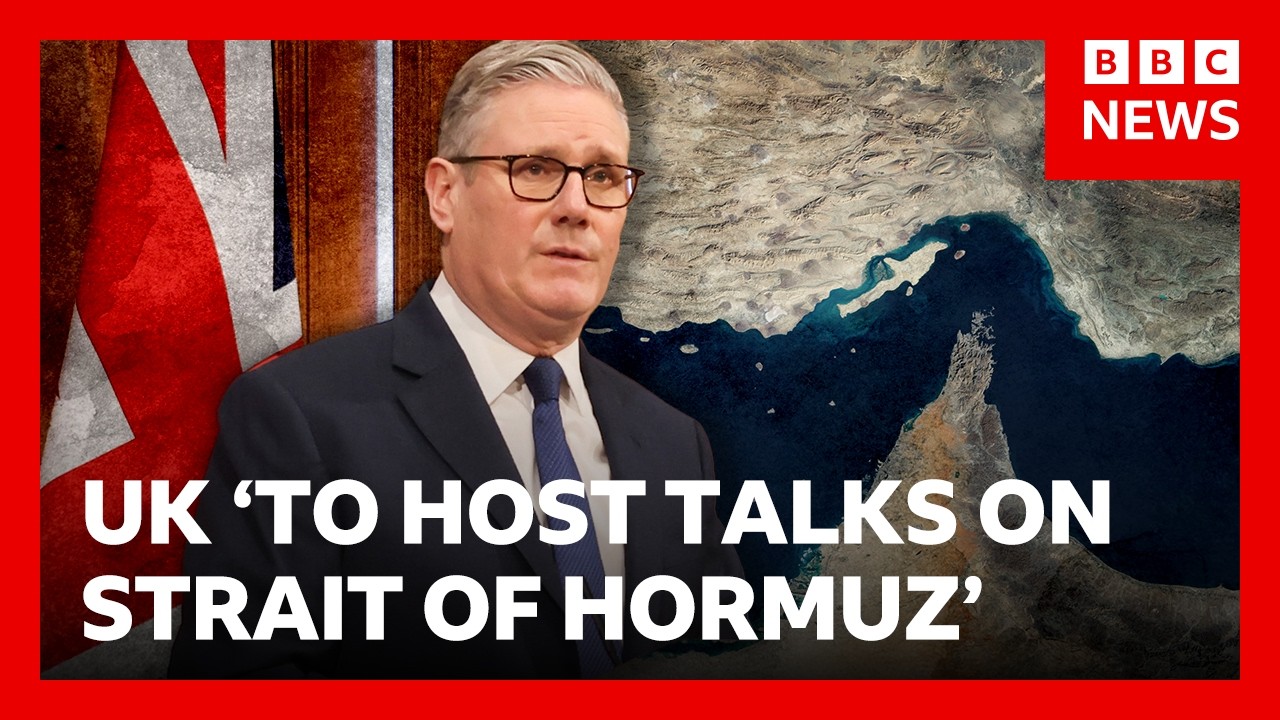
The diplomatic fallout is equally significant. The US action has created a rare moment of unity among European powers in opposition to Washington, with France and the UK working together on a "peaceful mission" for the strait.
What's Next
The immediate focus will be on whether Iran responds militarily to the blockade and whether any vessels attempt to breach it. Diplomatic efforts to restore freedom of navigation are ongoing, with France's Macron announcing a forthcoming conference. The UN Security Council is expected to convene an emergency session. Oil markets will remain highly volatile in the coming days.