US and Iran Agree Two-Week Ceasefire as World Welcomes De-escalation in Middle East
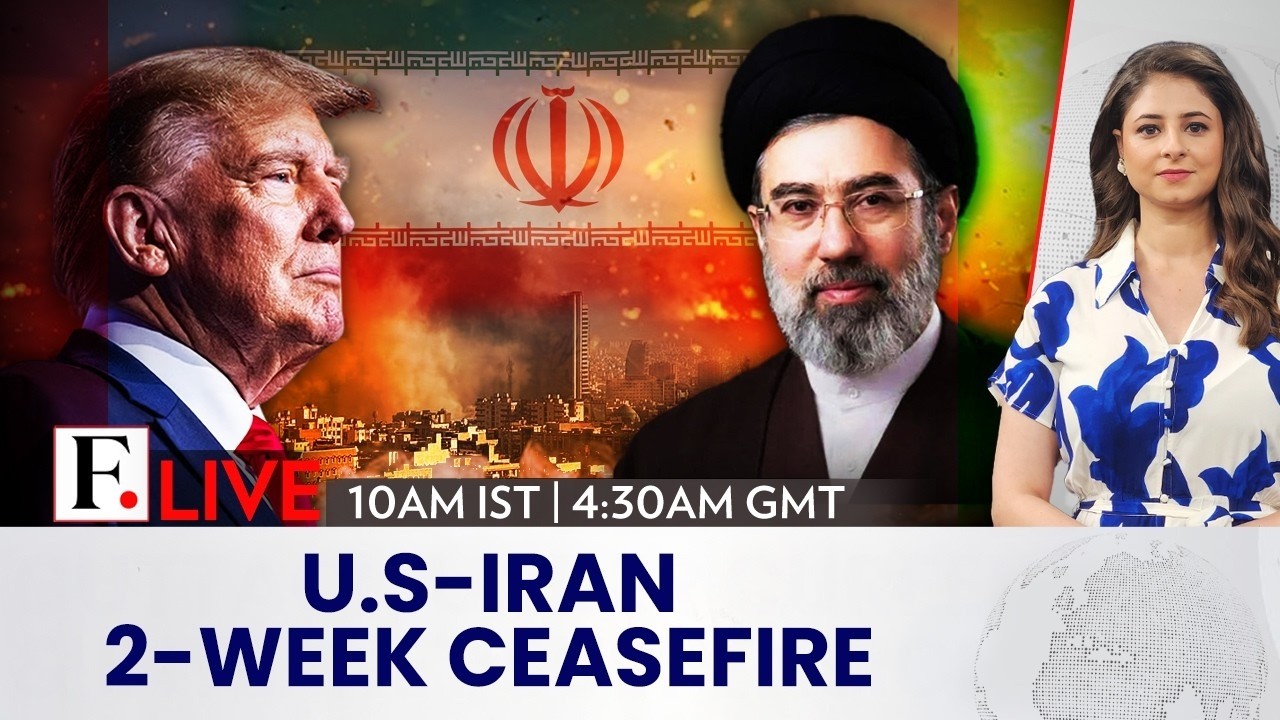
The United States and Iran agreed a two-week ceasefire on Tuesday, brokered by Pakistan with a last-minute intervention from China, bringing a temporary halt to weeks of conflict that had closed the Strait of Hormuz and sent global energy prices soaring.
The agreement was announced just over an hour before a deadline set by US President Donald Trump for Iran to end hostilities and reopen the vital shipping lane. Peace talks between the two sides are scheduled to begin in Islamabad on 10 April.
Background
The conflict began in February 2026 when the US and Israel launched coordinated strikes on Iran's nuclear facilities, citing concerns over Tehran's weapons programme. Iran retaliated with strikes on neighbouring countries and imposed a blockade on the Strait of Hormuz — through which approximately 20 million barrels of oil and oil products pass daily — triggering a sharp rise in global energy prices and significant disruption to international shipping.
Key Developments
Iran's Foreign Minister Abbas Araghchi confirmed the ceasefire, stating that if attacks against Iran ceased, Iran would also halt its "defensive operation." Iran's Supreme National Security Council announced that peace talks would commence on 10 April in Islamabad. President Trump hailed the deal as a "victory for the United States," with White House press secretary Karoline Leavitt attributing it to the US military campaign, which she said provided leverage for diplomatic solutions.
The ceasefire was welcomed by the United Nations, the European Union, China, Russia, and dozens of other nations. UN Secretary-General António Guterres urged all parties to adhere to the agreement and thanked Pakistan for its mediation role.
However, complications emerged almost immediately. Iranian media reported that oil tankers had stopped passing through the Strait of Hormuz, with Iran's Islamic Revolutionary Guard Corps still requiring permission for passage. Israeli Prime Minister Benjamin Netanyahu also clarified that the ceasefire "does not include Lebanon," where Israeli forces remain engaged in conflict with Hezbollah — contradicting an earlier statement from Pakistani Prime Minister Shehbaz Sharif.
Why It Matters
The ceasefire brought an immediate positive reaction from financial markets, with international oil prices falling significantly and stock markets in Asia and the US rising. However, the International Air Transport Association cautioned that it would take months for jet fuel supplies and prices to normalise due to disruptions in Middle Eastern refining capacity. The Strait of Hormuz remains effectively closed, meaning the full economic benefits of the ceasefire will not be felt until shipping resumes.
What's Next
The Islamabad peace talks on 10 April will be the first test of whether the ceasefire can be converted into a lasting settlement. Key unresolved issues include Iran's nuclear programme, the status of Lebanon, and the terms under which the Strait of Hormuz will be fully reopened. The White House has not yet confirmed whether US officials will participate in the talks in person.
Full coverage from Al Jazeera.