Business 3 min read

UK Inflation Surges to 3.3% as Iran War Drives Fuel Prices to Three-Year High

UK inflation rose to 3.3% in March 2026, driven by the biggest jump in fuel prices in over three years as the Middle East conflict pushed oil above $100 per barrel. The surge, which exceeded the government's 2% target, is expected to persist throughout the year and could force the Bank of England to raise interest rates.

Titanic NewsThursday, 23 April 20263 views
UK Inflation Surges to 3.3% as Iran War Drives Fuel Prices to Three-Year High

UK Inflation Surges to 3.3% as Iran War Drives Fuel Prices to Three-Year High

UK inflation accelerated to 3.3% in March 2026, driven by the biggest jump in fuel prices in more than three years, as the ongoing conflict in the Middle East pushed Brent crude oil above $100 per barrel and sent shockwaves through the British economy.

Official figures from the Office for National Statistics (ONS), published on 22 April, showed the Consumer Prices Index (CPI) rose from 3.0% in February to 3.3% in March β€” the highest reading in three months and well above the government's 2% target.

Background

The surge in inflation is a direct consequence of the escalating conflict in the Middle East, which has disrupted global energy supplies and shipping lanes. Iran's seizure of ships in the Strait of Hormuz and the broader regional conflict have pushed Brent crude oil prices above $100 per barrel, with some analysts warning of further rises. Before the Iran war, inflation was predicted to fall sharply in April due to government measures, potentially nearing 2%.

Key Developments

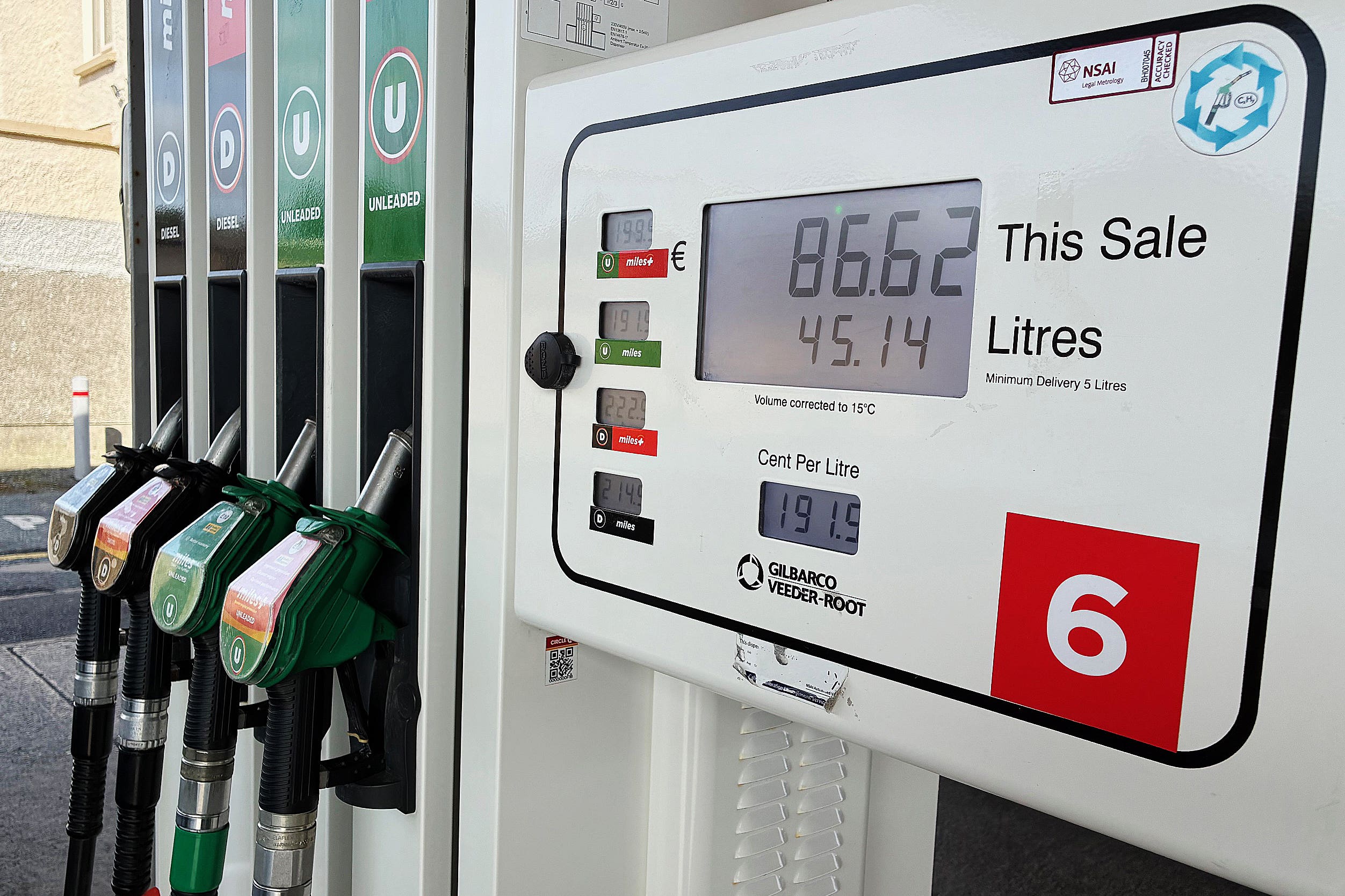
Transport costs were the primary driver of the inflation rise, increasing by 4.7% in the year to March β€” the fastest pace since December 2022. The average price of petrol rose by 8.6 pence per litre between February and March 2026, reaching 140.2p, its highest level since August 2024. Diesel prices surged even more sharply, rising by 17.6 pence per litre to 158.7p. Housing and household services costs rose by 4.3%, driven by a 95.3% surge in domestic heating oil prices.

The economic strain has already claimed casualties, with historic firm Denby Pottery ceasing manufacturing and entering administration due to cost pressures. A record 78% of individuals now anticipate economic conditions will worsen over the next year. According to The Guardian, the Food and Drink Federation has warned that food inflation could reach 9% by December.

Why It Matters

The inflation spike is squeezing household budgets and business margins simultaneously, threatening to derail the UK's economic recovery. The Bank of England kept interest rates unchanged in March but warned that a prolonged conflict could necessitate raising borrowing costs. Financial markets now predict at least one interest rate hike this year.

What's Next

The government's fiscal buffer is projected to be reduced by as much as Β£16 billion due to the conflict, increasing the likelihood of future tax rises. Economists warn that up to 150,000 UK jobs could be lost due to higher energy costs and reduced economic activity if the situation in the Middle East does not stabilise.

What's Your Take?

UK InflationFuel PricesBank of EnglandUK EconomyCost of Living

Related Stories

Middle East Conflict Threatens UK Supply Chains as One in Ten Businesses Report Disruption
Business

Middle East Conflict Threatens UK Supply Chains as One in Ten Businesses Report Disruption

New ONS data shows nearly one in ten UK businesses experienced supply chain disruptions in March 2026, with almost half attributing the problems to the Middle East conflict. The disruptions are compounding existing pressures on British businesses and threatening further job losses, as the conflict drives up energy costs and disrupts global shipping routes.

Titanic News
2 min read23 Apr 2026
UK Inflation Jumps to 3.3% as Iran War Sends Fuel Prices Soaring
Business

UK Inflation Jumps to 3.3% as Iran War Sends Fuel Prices Soaring

UK inflation jumped to 3.3% in March, driven by an 8.7% surge in fuel prices linked to the Iran conflict, with economists warning it could reach nearly 4% by the second half of 2026. The figures add pressure on the Bank of England and raise fears of a technical recession, with company insolvencies already rising 7% in March.

Titanic News
3 min read23 Apr 2026
UK Faces Recession Risk as Insolvencies Rise and Unemployment Climbs
Business

UK Faces Recession Risk as Insolvencies Rise and Unemployment Climbs

The UK faces a growing risk of recession in 2026, with company insolvencies rising 7% in March, unemployment climbing to a five-year high of 5.2%, and business confidence at its most pessimistic since the Covid-19 pandemic. The IMF has downgraded UK growth to just 0.8% for 2026, the biggest cut among G7 nations.

Titanic News
3 min read23 Apr 2026
UK Venture Capital Hits Four-Year High Despite Economic Headwinds
Business

UK Venture Capital Hits Four-Year High Despite Economic Headwinds

UK venture capital investment reached a four-year high of 7.2 billion pounds in Q1 2026, driven by London's booming AI sector, even as the broader economy faces recession fears and rising unemployment. The figures highlight the dual-speed nature of the UK economy, with technology attracting significant capital while traditional industries struggle.

Titanic News
3 min read23 Apr 2026