UK Inflation Rises to 3.3% as Bank of England Prepares to Hold Rates
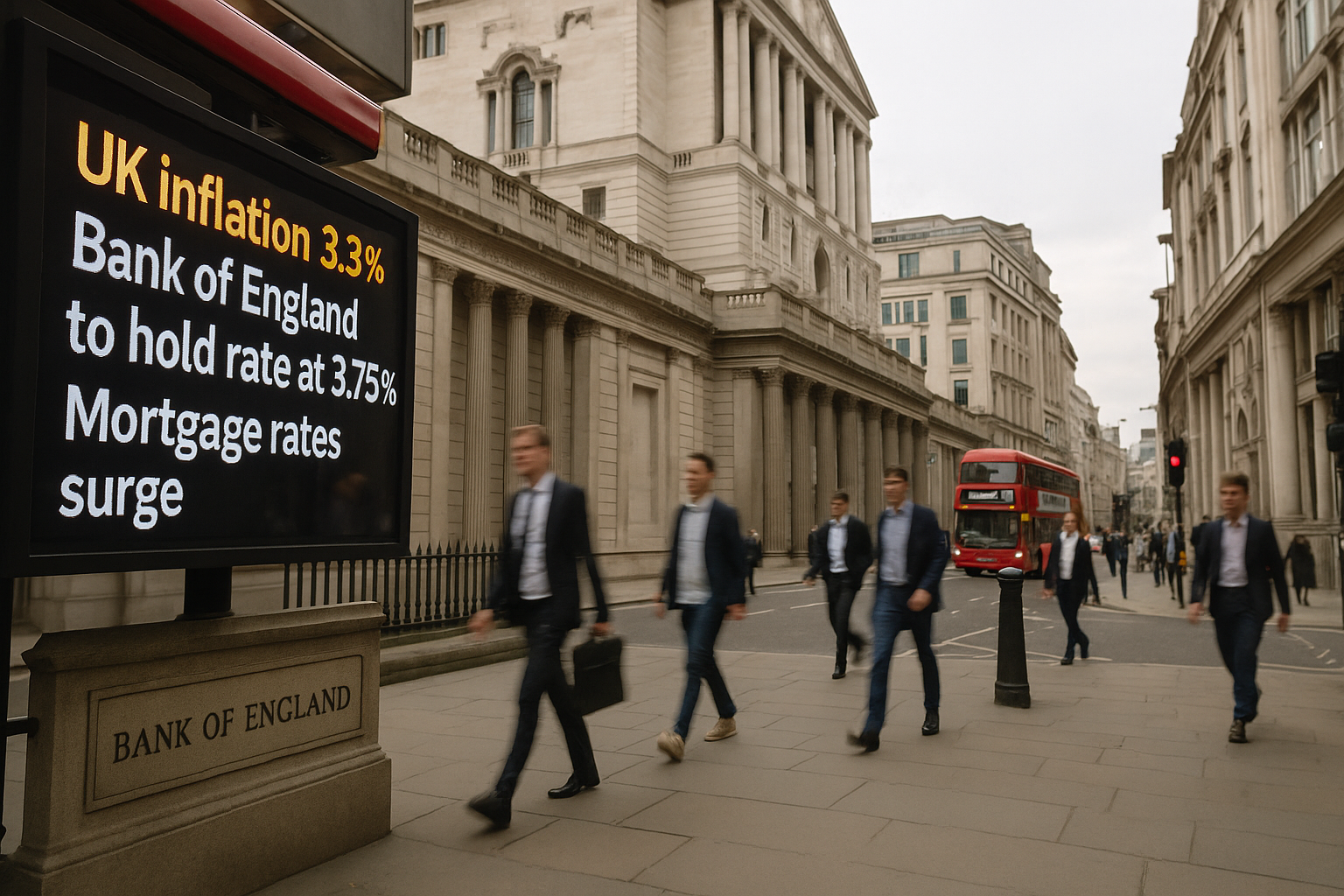
UK inflation climbed to 3.3% in the year to March 2026, up from 3% in February, driven largely by rising energy costs linked to the ongoing Middle East conflict, as the Bank of England's Monetary Policy Committee prepares to hold the base rate at 3.75% when it meets on 30 April.
The Consumer Price Index (CPI) increase has been primarily attributed to higher prices for petrol, diesel, and air travel, all of which have been affected by disruptions to global energy markets stemming from the conflict in the Middle East. The Organisation for Economic Co-operation and Development (OECD) has forecast that UK headline inflation could reach 4% in 2026, which would make it the second-highest in the G7.
Background
The Bank of England cut interest rates from a peak of 5.25% through a series of reductions, reaching the current 3.75% in December 2025. The MPC's unanimous decision in March to hold rates reflected a cautious "wait-and-see" approach as policymakers balanced the need to control inflation against the risk of further damaging an already fragile economy.
Key Developments
A Reuters poll of economists found divided opinion on the outlook for rates. While a majority of 33 respondents expected the rate to remain unchanged throughout 2026, some traders and analysts, including those at JP Morgan, are pricing in the possibility of a rate hike to as high as 4.25%. The National Institute of Economic and Social Research has suggested rates could climb to 4.5% if elevated energy costs persist for a full year.
The housing market is feeling the pressure acutely. The average rate on a new two-year fixed-rate mortgage jumped from 4.83% in early March to 5.83% by 22 April 2026, directly impacting affordability for buyers and those remortgaging. With an estimated 800,000 fixed-rate mortgage deals set to expire annually until the end of 2027, a significant number of homeowners face sharply higher borrowing costs.
Why It Matters
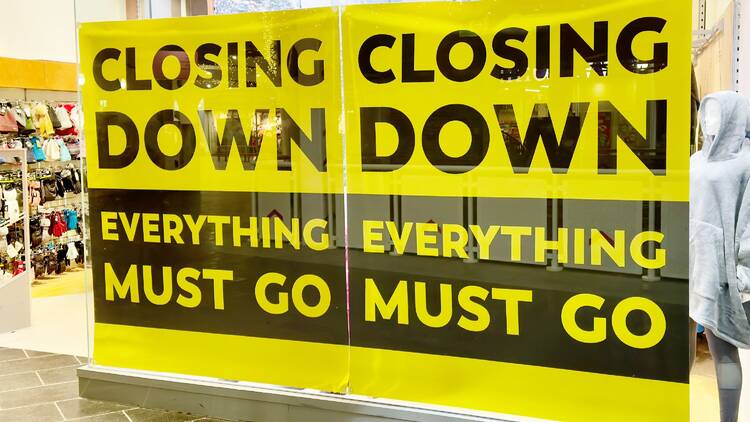
The EY ITEM Club has forecast that the UK is nearing a technical recession, while the OECD has downgraded its UK economic expansion forecast for 2026 to just 0.7%. Company insolvencies rose by 7% in March 2026 to 2,022, and business confidence has fallen sharply. The labour market is also showing signs of weakness, with unemployment projected to potentially exceed two million.
What's Next
All eyes will be on the Bank of England's Monetary Policy Committee meeting on 30 April. While a hold is widely expected, any surprise decision could send shockwaves through mortgage markets and the broader economy. As BBC News reports, the decisions made in the coming weeks will have a direct impact on millions of British households.