UK Faces Steepest G7 Growth Downgrade as IMF Warns Iran War Risks Global Recession
The International Monetary Fund has slashed the United Kingdom's economic growth forecast by more than any other G7 nation, warning that the ongoing conflict in the Middle East and the disruption to global energy supplies could slow worldwide growth to its weakest level since the Covid-19 pandemic.
The IMF's downgrade, published on 14 April 2026, comes as the UK economy faces a perfect storm of elevated energy prices, weakened consumer confidence, and uncertainty over trade relationships with both the United States and the European Union. Analysts warned that the Iran war could have severe and lasting consequences for British households and businesses.
Background
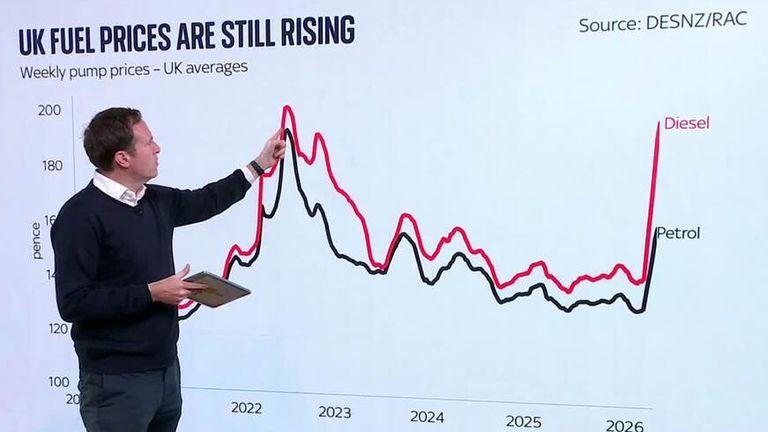
The UK economy has been navigating a difficult path since the global energy crisis intensified following the outbreak of the US-Iran conflict. The closure of the Strait of Hormuz has sent oil and gas prices sharply higher, squeezing household budgets and raising input costs for businesses across the country. The IMF's World Economic Outlook, released at its spring meetings, placed the UK at the bottom of the G7 growth table.
Key Developments
One study projected that median working-age households will be £480 worse off over the current financial year due to energy price shocks stemming from the conflict. Chancellor of the Exchequer Rachel Reeves expressed both frustration and anger over the economic damage, while also encouraging Gulf-based expatriates to view Britain as a "safe harbour" — signalling a review of tax rules affecting mobile professionals.
Prime Minister Keir Starmer defended a policy to fast-track certain EU rules into UK law, arguing it would help lower prices for consumers. In the financial sector, Lloyds Banking Group indicated it would not pursue legal action against the UK's £9 billion car finance redress scheme, and the Financial Conduct Authority banned unauthorised advertisements featuring Martin Lewis related to car finance claims. Professional services firm BDO cut 31 partner roles, citing a market downturn and increasing pressure from artificial intelligence.
Why It Matters
The IMF's assessment underscores the vulnerability of the UK economy to external shocks, particularly those affecting global energy markets. With inflation already elevated and interest rates still above pre-pandemic levels, the additional headwind from the Iran conflict threatens to derail the government's economic plans and put further pressure on public finances.
What's Next
The Chancellor is expected to set out further measures to support households and businesses in the coming weeks. The Bank of England's Monetary Policy Committee will face a difficult balancing act between controlling inflation and supporting growth at its next meeting. For the latest analysis, see The Guardian's live coverage.