FTSE 100 Falls as Trump Announces Iran Naval Blockade and Oil Surges Past $100
UK and European stock markets fell on Monday as President Donald Trump announced a naval blockade of Iranian ports following the collapse of peace talks, sending oil prices surging above $100 a barrel and stoking fears of a prolonged economic shock.
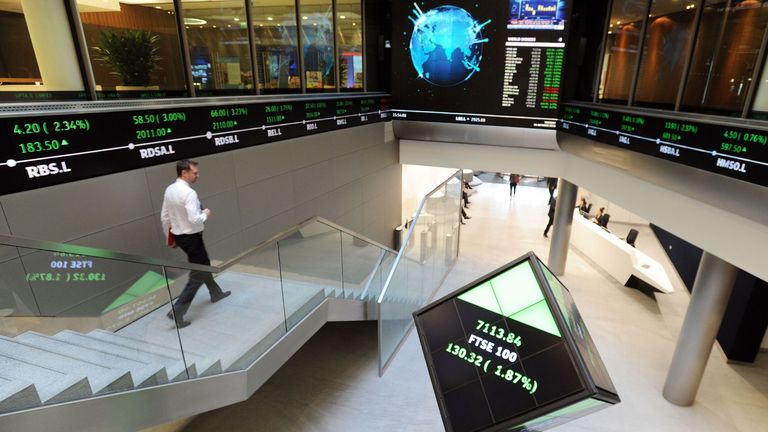
The FTSE 100 closed at 10,577 points, down 0.22%, as investors reacted to the dramatic escalation in the US-Iran conflict. The blockade, which Trump announced would apply to all vessels engaging with Iranian ports, oil terminals, or coastal facilities regardless of flag, took effect at 14:00 GMT on Monday.
Market Reaction
The market reaction was broad-based. Healthcare stocks including AstraZeneca and GSK fell between 0.5% and 1.8%, while banks — HSBC, Lloyds, Barclays, and NatWest — dropped between 0.5% and 1.1%. Travel stocks were among the hardest hit, with EasyJet down 2.6% and International Airlines Group falling 1.3% as higher fuel costs threatened airline margins.
The few gainers were concentrated in the energy sector. BP and Shell both rose approximately 1% to 1.2% as crude prices rebounded sharply. Defence contractor BAE Systems gained 2.64%, reflecting investor expectations of increased military spending across NATO allies.
"European equities traded lower on Monday as oil prices surged above $100 a barrel after US President Donald Trump said he would begin a blockade of Iranian oil exports through the Strait of Hormuz, following the collapse of peace talks with Tehran over the weekend." — Sharecast News, 13 April 2026
Why the Strait of Hormuz Matters
The Strait of Hormuz is one of the world's most critical energy chokepoints, with approximately one-fifth of global oil supplies passing through it. Iran had previously been charging what Trump described as an "illegal toll" for passage, prompting the US to announce it would interdict vessels that had paid such fees. Oil prices climbed sharply, raising the spectre of stagflation — a toxic combination of stagnant growth and high inflation — for the UK economy.
UK Government Response
Prime Minister Keir Starmer confirmed that the UK would not join the US blockade, instead focusing on efforts to reopen the Strait of Hormuz. Britain and France announced plans to co-organise a conference for a "peaceful multinational mission aimed at restoring freedom of navigation" in the strait. The UK Maritime Trade Operations (UKMTO) issued an advisory for ships to maintain heightened situational awareness.
What's Next
With a two-week ceasefire between the US and Iran set to expire on 22 April, markets are bracing for further volatility. UK household energy bills are already projected to rise to nearly £2,000 per year by July, and the RAC has warned that petrol could hit 150p per litre. The Bank of England faces a difficult balancing act between supporting growth and combating inflation driven by external energy shocks.
Source: Trading Economics — UK Stock Market.