Two Bereaved Fathers — One Israeli, One Palestinian — Visit Ireland to Share Their Journey to Peace
Two fathers who each lost a child to the conflict in the Middle East — Israeli Rami Elhanan and Palestinian Bassam Aramin — have visited Ireland to share their remarkable journey from grief to reconciliation, calling each other "brother" and delivering a powerful message of peace and shared humanity that has resonated deeply with Irish audiences.
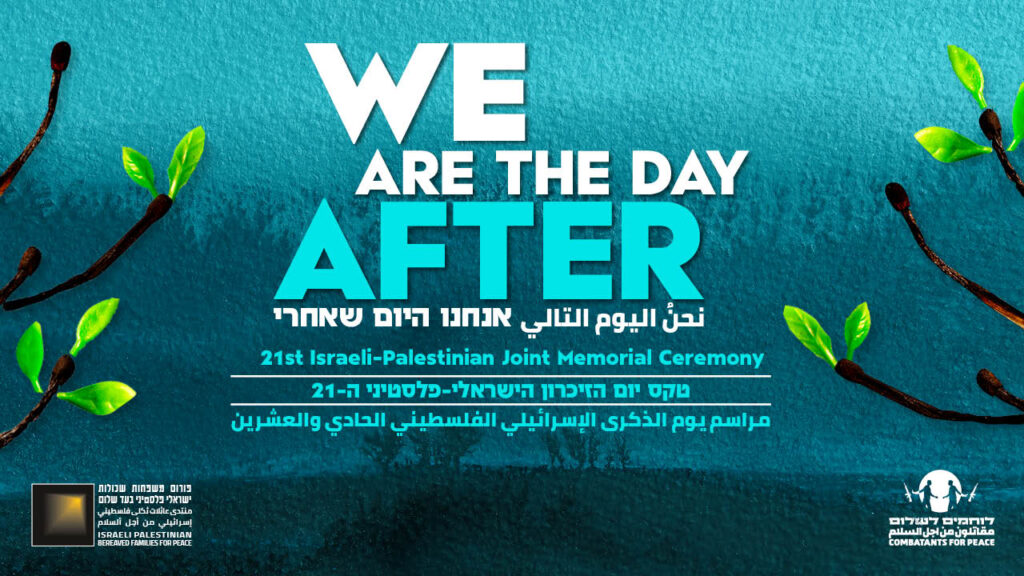
The men, leading figures in The Parents Circle - Families Forum, a joint Israeli-Palestinian organisation of over 800 bereaved families, have been touring Ireland to speak about their experiences and to promote a message of dialogue and understanding at a time when the conflict continues to claim lives. Their visit has drawn large and emotionally engaged audiences, with many Irish people drawing parallels with their own country's experience of conflict and peace-building — and finding in the two men's friendship a source of hope that transcends the seemingly intractable divisions of the Middle East.
Background
Rami Elhanan's 14-year-old daughter, Smadar, was killed in a suicide bombing in Jerusalem in 1997. Bassam Aramin's 10-year-old daughter, Abir, was killed by an Israeli soldier in 2007. Both men, consumed by grief, found their way to The Parents Circle - Families Forum, founded in 1995 on the principle that reconciliation is a prerequisite for achieving a sustainable peace. The organisation brings together bereaved Israeli and Palestinian families who have lost immediate family members as a result of the conflict, facilitating dialogue meetings, peace camps, and public talks to humanise the "other side" and advocate for a non-violent resolution.
Their story inspired acclaimed Irish author Colum McCann's 2020 novel "Apeirogon," which brought their friendship to a global audience and introduced millions of readers to the possibility of reconciliation in one of the world's most entrenched conflicts. The PCFF has received numerous international awards for its peace-building efforts and has been nominated for the Nobel Peace Prize. Ireland has been a particularly receptive audience for their message, with the country's own experience of the Northern Ireland peace process giving Irish people a unique understanding of the possibility of reconciliation after violence.
Key Developments
During their visit to Ireland, Elhanan and Aramin spoke at a series of events, sharing the stories of their lost children and describing how they found their way to friendship and mutual understanding despite their devastating losses. Their visit included speaking engagements hosted by the charity Trócaire and events at cultural venues across the country. They were joined at some events by Colum McCann, whose novel has helped to bring their story to millions of readers worldwide and whose presence added a further dimension of Irish cultural connection to their message.
Their message resonated deeply with Irish audiences, many of whom have their own historical experience of conflict and reconciliation. The men described their friendship as a source of strength and hope, and called on political leaders on both sides to pursue dialogue rather than violence. They stressed that mutual respect and understanding are the only way to end the conflict, and that everyone deserves to be free and safe — a message that carries particular weight coming from two men who have paid the ultimate personal price for the failure of peace.
Why It Matters
In a world where the Israeli-Palestinian conflict often seems intractable, the story of Rami Elhanan and Bassam Aramin offers a powerful counter-narrative. Their friendship demonstrates that even in the most extreme circumstances of loss and grief, human connection and reconciliation are possible. If two men who have each lost a child to the conflict can call each other "brother" and work together for peace, it challenges the assumption that the cycle of violence is inevitable or irreversible. Their visit to Ireland, a country with its own complex history of conflict and peace-building, carries particular resonance and reminds us that the lessons of the Good Friday Agreement — that dialogue, compromise, and the recognition of shared humanity can end even the most entrenched conflicts — are ones that the world still needs to hear.
Local Impact
For Northern Ireland in particular, the visit of Elhanan and Aramin carries a special significance. The region's own journey from conflict to peace, though imperfect and ongoing, is a testament to the possibility of reconciliation that the two fathers explicitly invoke. Many people in Northern Ireland who lived through the Troubles will recognise in their story the same impulse — the refusal to allow grief to harden into hatred — that has driven the peace process here. Their message is a reminder that the work of reconciliation is never finished, and that the most powerful advocates for peace are often those who have paid the highest personal price for conflict. In that sense, Elhanan and Aramin are not just ambassadors for peace in the Middle East — they are a mirror in which we can all see something of ourselves.
What's Next
The two fathers will continue their advocacy work through The Parents Circle - Families Forum. For more, see RTÉ News and The Parents Circle - Families Forum.