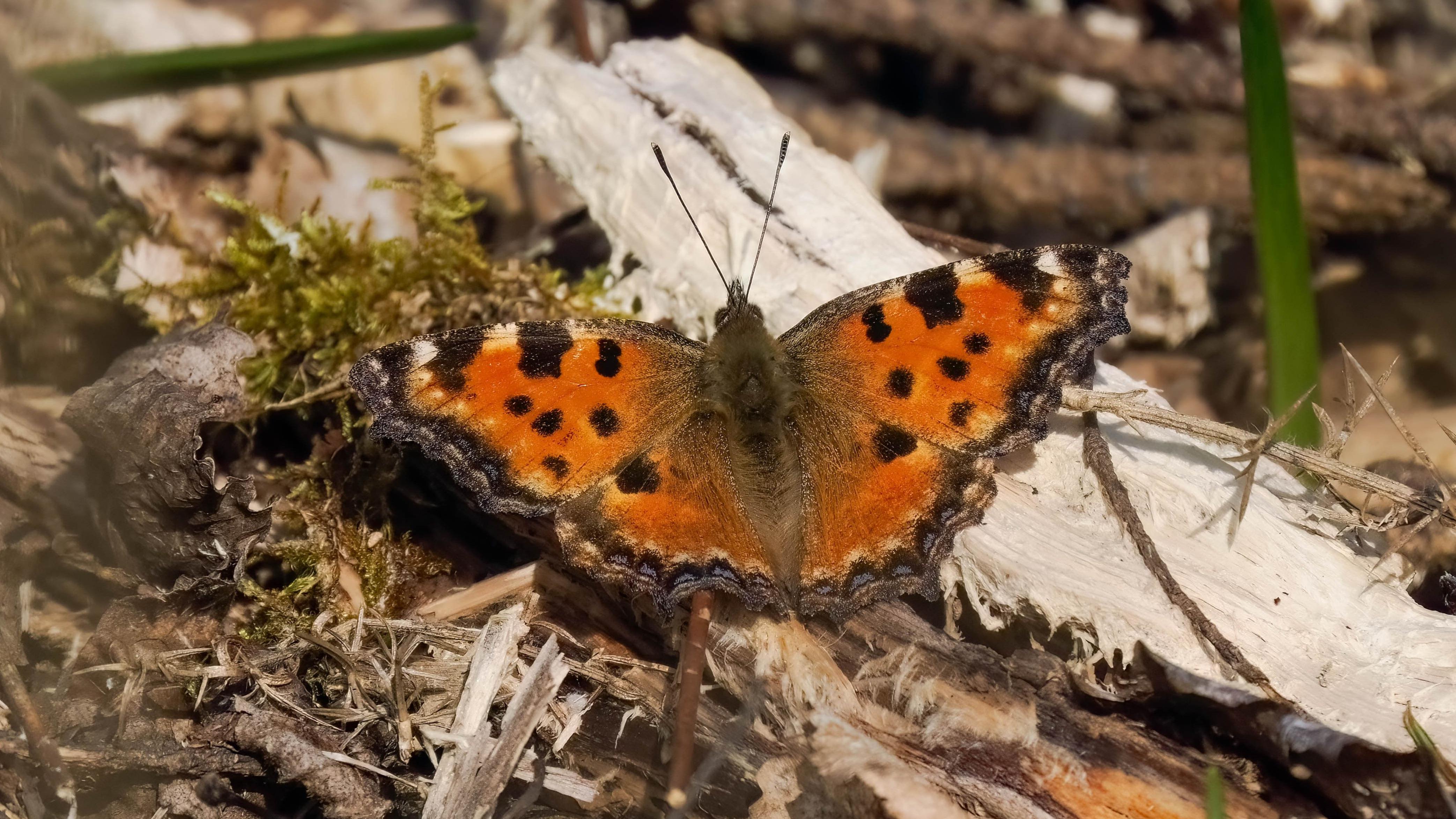
Large Tortoiseshell Butterfly Confirmed as UK Resident Species Again After a Century of Absence
In a remarkable conservation milestone, the large tortoiseshell butterfly has been confirmed as a resident species in the United Kingdom once again — after being considered extinct in Britain for the last century. The news has been celebrated by wildlife experts and nature lovers as one of the most significant butterfly conservation stories in living memory.
Background
The large tortoiseshell butterfly (Nymphalis polychloros) was once a common sight in British woodlands, but its population collapsed in the early twentieth century due to habitat loss, disease, and changes in land management. By the 1950s, it was considered extinct as a breeding species in the UK, with only occasional vagrant individuals spotted crossing the Channel from continental Europe. Its disappearance was seen as a symbol of the broader decline of British butterfly populations.
Key Developments
Butterfly Conservation, the UK's leading butterfly charity, has confirmed that the large tortoiseshell is now established as a resident breeding species in southern England, following a series of confirmed sightings and breeding records over recent years. The confirmation represents a natural recolonisation of the UK, driven by a combination of climate change — which has made southern England more hospitable for the species — and improved habitat management in key woodland areas.
The news comes alongside other positive wildlife stories from across the UK. In Scotland, a landmark rewilding project near Loch Ness is working to restore over 1,000 hectares of globally rare blanket bog, a crucial ecosystem for carbon storage and biodiversity. Scotland has also become the first country to mandate the inclusion of "swift bricks" — specialised nesting boxes — in all newly constructed houses, to help reverse the decline of the swift population.
Why It Matters
The return of the large tortoiseshell butterfly is a rare piece of genuinely good news for UK biodiversity, at a time when many species continue to face significant pressures from habitat loss, pesticide use, and climate change. It demonstrates that with the right conditions, nature can recover — and that conservation efforts, combined with changing climate patterns, can produce remarkable results. Butterfly Conservation has described the confirmation as "extraordinary" and a cause for celebration.
What's Next
Butterfly Conservation is urging members of the public to report any sightings of the large tortoiseshell to help track the species' recovery and distribution. The charity is also working with landowners and conservation organisations to protect and enhance the woodland habitats that the butterfly depends on for breeding.
Sources: BBC News; Butterfly Conservation


:format(auto))