Trump Issues Final Iran Deadline as US-Israel Conflict Escalates and UK Stays Out of Offensive
President Donald Trump has issued a final ultimatum to Iran, demanding the complete reopening of the Strait of Hormuz by 8pm ET on 7 April or face "devastating attacks" — as the UK government confirmed it would not participate in the US-Israeli offensive against Iran, while authorising the use of British military bases for limited defensive purposes.
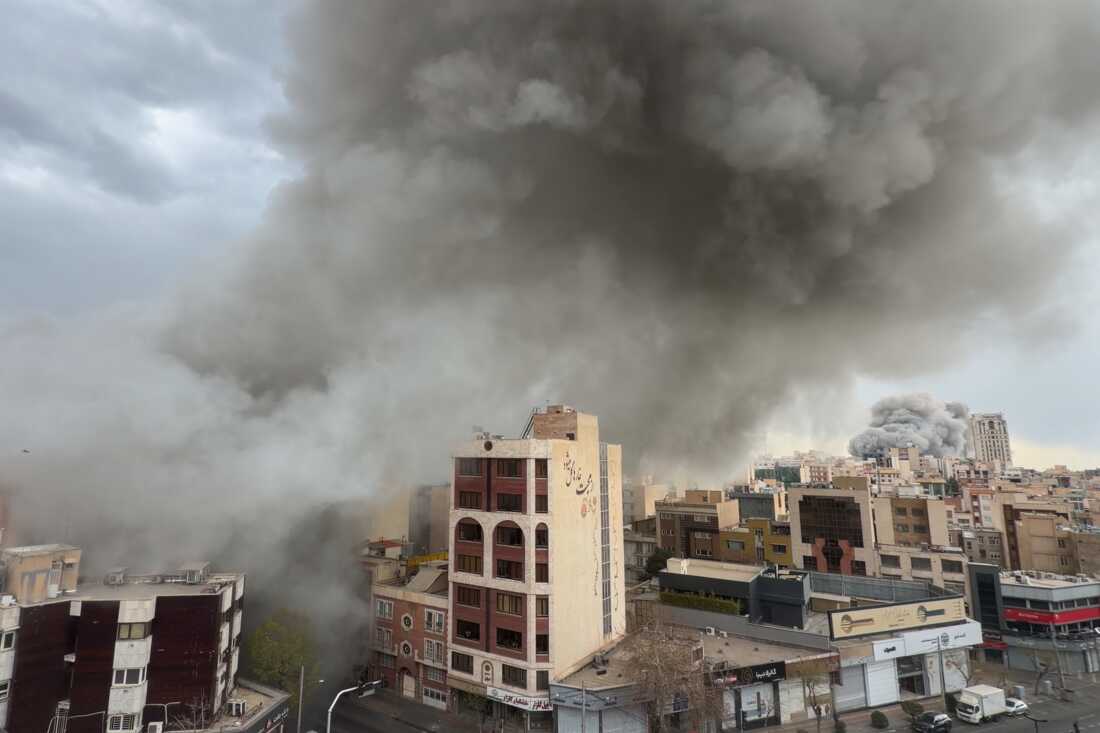
The ultimatum, delivered on 6 April 2026, came after weeks of escalating US and Israeli strikes on Iranian military, nuclear, and infrastructure targets, and Iran's retaliatory closure of the Strait of Hormuz — a chokepoint carrying approximately 20% of the world's oil supply. Trump warned that "an entire civilisation" could be wiped out if his demands were not met.
Background
The 2026 Iran war began on 28 February, when the US and Israel launched a series of strikes against Iran, dubbed "Operation Epic Fury." The stated objectives were to target Iran's nuclear and ballistic missile programmes and to induce regime change. An early strike reportedly killed Iran's Supreme Leader Ali Khamenei. Iran retaliated with missile strikes against Israel, US military bases across the Middle East, and allied Arab states. These counter-attacks also targeted UK bases in Bahrain, Qatar, and Cyprus, drawing Britain into the conflict's orbit despite its non-participation in the offensive.
Iran's closure of the Strait of Hormuz triggered a severe global energy crisis. Brent crude oil prices soared to over $126 per barrel at their peak, and the International Energy Agency described the disruption as the "largest supply shock in the history of the global oil market." The UK economy has been significantly affected, with the OECD downgrading the UK's 2026 growth forecast to 0.7% and predicting inflation would hit 4%, driven by persistently high energy prices.
The UK government, led by Prime Minister Sir Keir Starmer, adopted a strategy of non-participation in the offensive while engaging in defensive and diplomatic measures. Starmer authorised the US to use UK military bases, including Diego Garcia, for "specific and limited defensive purposes" to counter Iranian missile attacks. RAF assets were also deployed in a defensive capacity to intercept missiles and protect regional partners. The UK, alongside France and Germany, issued a joint statement condemning Iran's counter-strikes and calling for a return to diplomacy.
Key Developments
Trump's 7 April ultimatum demanded the complete reopening of the Strait of Hormuz by 8pm ET, threatening "devastating attacks" on Iranian infrastructure if the deadline was not met. Less than two hours before the deadline expired, the US and Iran agreed to a two-week ceasefire brokered by Pakistan, under which the US and Israel would suspend bombing campaigns against Iran, while Iran committed to reopening the Strait of Hormuz for safe passage. The ceasefire announcement triggered a significant relief rally in global financial markets, with oil prices falling below $100 a barrel.
However, the ceasefire's durability was immediately questioned. A key point of contention arose over Lebanon, with Israel launching significant attacks there hours into the truce. The US further escalated pressure by imposing a naval blockade on Iran's ports on 13 April, a move Tehran decried as a violation of the ceasefire's spirit. By late April, the Strait of Hormuz remained under a "dual blockade," with shipping traffic a fraction of its pre-war levels.
Why It Matters
The UK's decision to stay out of the offensive while allowing the use of its military bases reflects the delicate diplomatic balance Starmer has sought to maintain — supporting the US alliance without becoming directly embroiled in a conflict that has no clear legal mandate and significant risks of escalation. The decision has been broadly supported across the UK political spectrum, though some Conservative MPs have called for a stronger show of solidarity with the US and Israel. For the UK economy, the conflict has been deeply damaging, with energy prices, inflation, and borrowing costs all significantly elevated as a result of the Strait of Hormuz closure.
Local Impact
Northern Ireland has felt the economic consequences of the conflict acutely. Fuel prices surged across the region, with petrol and diesel costs reaching record highs in March 2026. The ceasefire brought some relief, but energy bills remain significantly elevated. Belfast's manufacturing and logistics sectors, which are heavily dependent on fuel costs, have reported squeezed margins and delayed investment decisions. The conflict has also raised concerns about the security of UK military personnel stationed at bases in the Middle East, including those from Northern Ireland's regiments.
What's Next
Diplomatic talks in Islamabad have yet to resolve the core issues: the scope of Iran's nuclear and ballistic missile programmes, its support for regional armed groups, war reparations, and the long-term security architecture of the Strait of Hormuz. The UK is expected to play a key role in pushing for a durable diplomatic settlement. For the latest on the UK's position, visit the House of Commons Library and Reuters at Reuters.