Team Northern Ireland Returns from Glasgow with 16 Medals — Second-Best Commonwealth Haul in History
Team Northern Ireland has concluded the 2026 Commonwealth Games in Glasgow with 16 medals — the second-highest haul in the team's history, surpassed only by the 18 medals won in Birmingham in 2022 — in a performance that reflected the depth and quality of sporting talent across the six counties and provided a significant boost to the province's preparations for the 2028 Los Angeles Olympics.
Background
The Commonwealth Games occupy a unique place in Northern Ireland's sporting calendar. Unlike the Olympic Games, where athletes from the six counties compete under either the Irish or British flag depending on their personal choice, the Commonwealth Games allow Northern Ireland to field its own team — Team NI — under its own banner. This gives the Games a particular significance for Northern Irish athletes and supporters, providing a platform for collective achievement that the Olympics cannot replicate.
The 2026 Games in Glasgow were the first Commonwealth Games to be held in Scotland since the 2014 edition in the same city, and the proximity of the venue — just a short journey across the water from Belfast — meant that Northern Ireland supporters were able to attend in significant numbers. The atmosphere at events where Team NI athletes were competing was described by participants as exceptional, with the home-from-home feel of a Scottish crowd adding to the sense of occasion.
Chef de Mission Conal Heatley led a 65-strong team to Glasgow, with athletes competing across a range of disciplines including athletics, boxing, bowls, swimming, judo, and cycling. The team's preparation had been thorough, with Athletics Northern Ireland, Boxing Ulster, and the other governing bodies investing significant effort in ensuring that their athletes arrived in Glasgow in peak condition.
Key Developments
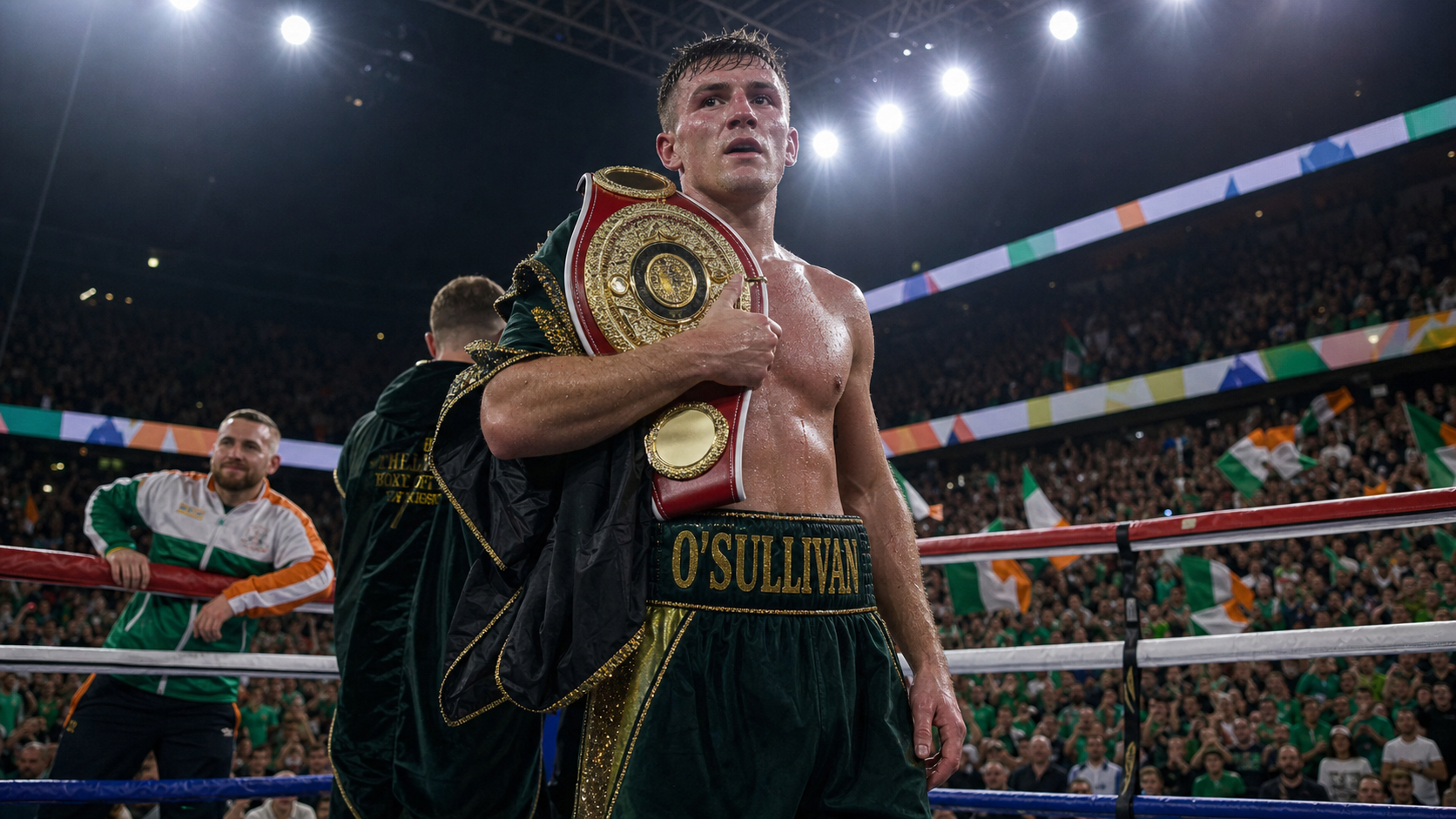
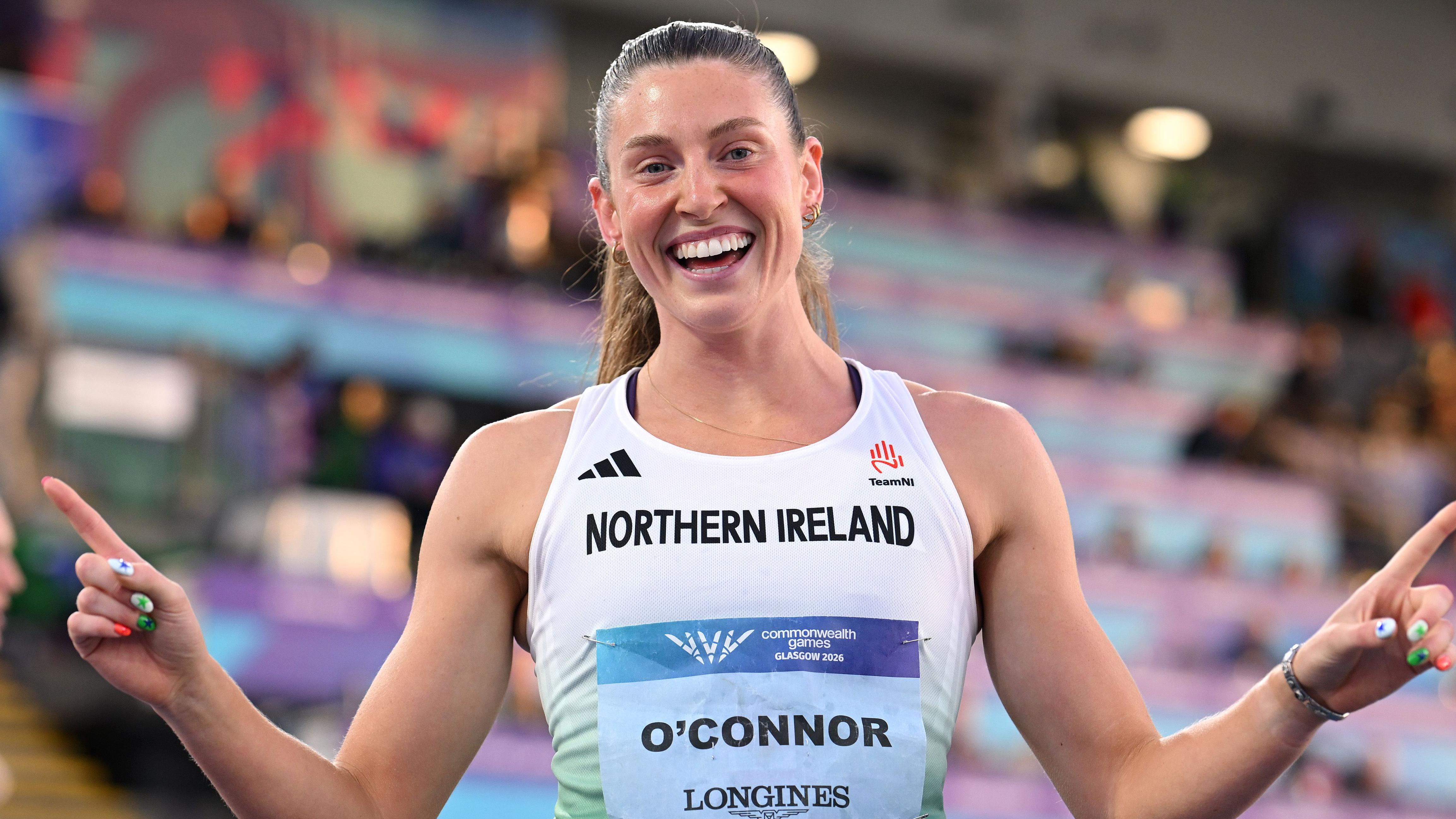
The headline achievements of the Games were the gold medals won by Kate O'Connor in the heptathlon and Jon McConnell in the men's light-middleweight boxing. O'Connor's victory — Northern Ireland's first Commonwealth gold in athletics since 1986 — was the standout performance of the Games, with her total of 6,569 points representing a genuine statement of quality. McConnell's gold, achieved after he turned down a place on Love Island to focus on his boxing career, was the kind of story that captures the public imagination and that will resonate well beyond the sporting community.
The bowls team was a significant contributor to the medal tally, with Gary Kelly and Adam McKeown winning gold in the men's pairs, Chloe Wilson and Shauna O'Neill claiming bronze in the women's pairs, and Kelly adding a further bronze in the men's singles. The boxing team secured six medals in total, with Kaci Rock earning silver in addition to McConnell's gold. In swimming, Ellie McCartney won bronze in the 100m breaststroke, while 16-year-old Emily Hughes participated in the 4x100m freestyle relay, where the squad set a new Irish Senior record. Rachael Hawkes claimed bronze in judo.
The youngest members of the team — including Hughes, Matthew Hamilton, and Adam Bradley, all of whom set new Irish Junior records in swimming — provided a glimpse of the talent that is coming through the Northern Ireland system and that will be targeting the 2028 Los Angeles Olympics.
Why It Matters
The 16-medal haul is a measure of the breadth and depth of sporting talent in Northern Ireland, and of the effectiveness of the investment that has been made in elite sport development over the past decade. The Commonwealth Games serve as a critical developmental milestone for many Northern Irish athletes, providing the experience of competing at a major multi-sport event that is essential preparation for the Olympic Games.
For sports such as bowls, which are not included in the Olympic programme, the Commonwealth Games represent the pinnacle of international competition, and the success of the Northern Ireland bowls team in Glasgow is a reminder of the excellence that exists in sports that do not always receive the media attention they deserve. The gold medal won by Kelly and McKeown in the men's pairs is as significant an achievement in its own context as O'Connor's heptathlon gold.
The Games also provided valuable experience for the younger members of the team, many of whom were competing at their first major international event. The lessons learned in Glasgow — about managing pressure, competing in front of large crowds, and performing at the highest level — will be invaluable as they develop towards the 2028 Olympics and beyond.
Local Impact
Across Northern Ireland, the reaction to the team's performance in Glasgow has been one of genuine pride. Sport NI, which provides funding and support to elite athletes in the province, has welcomed the medal haul as a validation of its investment strategy and has indicated that it will use the Glasgow results to inform its planning for the Los Angeles Olympic cycle. Local councils across the six counties are expected to recognise the achievements of their athletes in the coming weeks, with civic receptions planned for several of the medal winners.
What's Next
The focus for many of the Team NI athletes will now shift to the 2028 Los Angeles Olympics, with the next four years representing a critical period of development. Athletics Northern Ireland has already begun planning the training and competition programme that it hopes will produce Olympic qualifiers in 2028, with O'Connor's heptathlon gold providing a clear benchmark for what is achievable. The next Commonwealth Games are scheduled for 2030, with the host city yet to be confirmed.