TASCIT: The North Belfast Project Breaking Down Barriers for 13 Years
A cross-community project in North Belfast has been commended for 13 years of quiet, determined work breaking down the physical and mental barriers that have divided interface communities since the Troubles — including playing a key role in the removal of the Flax Street peace wall, one of the most visible symbols of division in the city.
TASCIT — Twaddell Ardoyne Shankill Communities in Transition — brings together four local organisations from both sides of the interface: the Lower Shankill Community Association, Twaddell and Woodvale Residents Association, Concerned Residents of Upper Ardoyne, and the North Belfast Interface Network. Supported by the International Fund for Ireland's Peace Barriers Programme, the project has invested approximately £4 million since 2021 and involved over 23,000 residents in events and activities.
Background
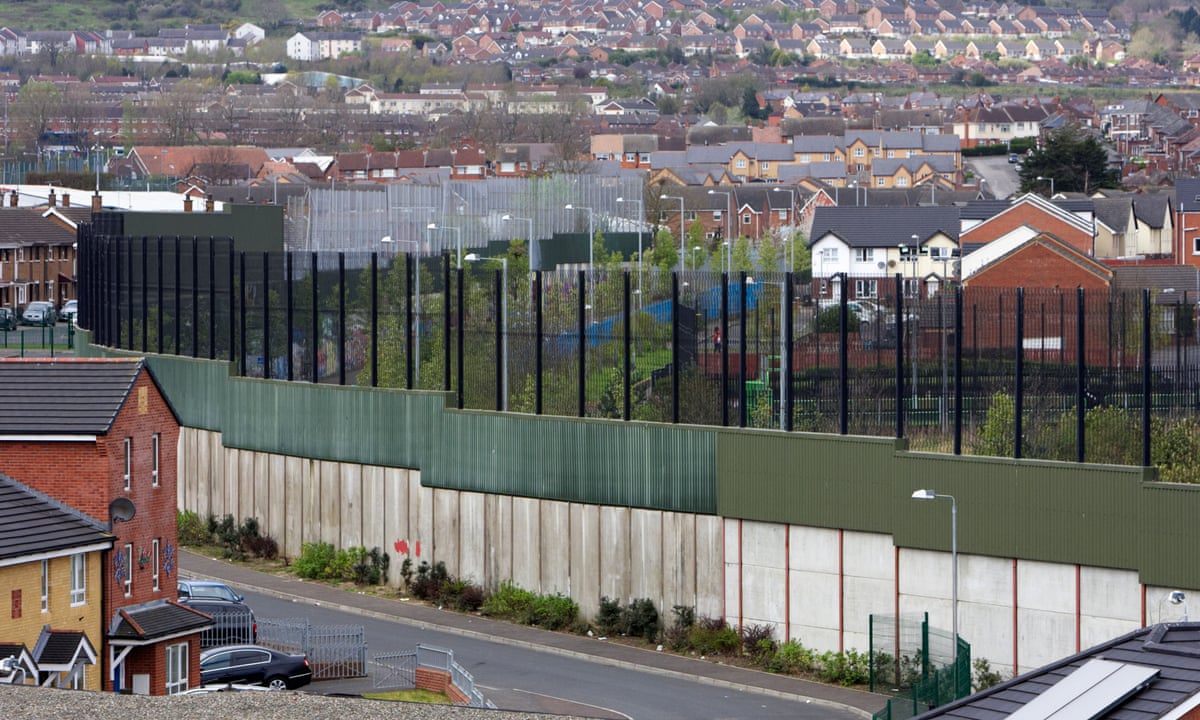
North Belfast has some of the most complex and contested interface areas in Northern Ireland. The communities of Ardoyne, Twaddell, Woodvale, and the Lower Shankill have lived in close proximity for generations, separated by peace walls — physical barriers erected during the Troubles to prevent sectarian violence — and by the deep psychological divisions that decades of conflict have left behind. At their peak, Belfast had over 100 peace walls, more than any other city in the world. Despite the Good Friday Agreement of 1998, many of these barriers remain in place, maintained by community consent and the lingering fear that their removal could lead to renewed violence.
The International Fund for Ireland was established in 1986 to promote economic and social advance and to encourage contact, dialogue, and reconciliation between nationalists and unionists throughout Ireland. Its Peace Barriers Programme specifically targets the communities most affected by physical division, providing funding for projects that build trust, facilitate dialogue, and support the voluntary removal of barriers where communities are ready to take that step. TASCIT is one of the programme's flagship projects, and its 13-year track record makes it one of the most experienced and respected cross-community organisations in North Belfast.
The Flax Street barrier, which TASCIT played a key role in removing, had separated communities for 40 years. Its removal was not a sudden decision but the result of years of patient community engagement, trust-building, and dialogue — the kind of slow, unglamorous work that rarely makes headlines but is essential to the long-term sustainability of peace in divided communities.
Key Developments
One of TASCIT's most visible achievements is its role in the removal of the Flax Street barrier. The site has since been transformed into Hillview Retail Park, now home to major brands including Lidl and Starbucks — a tangible symbol of regeneration in an area long defined by division. Sean Oliver, a TASCIT staff member, described the 13 years as very rewarding, highlighting the project's role in facilitating discussions and creating opportunities for people to come together across community lines.
At the heart of TASCIT's work is its Challenging Conversations course — an innovative nine-week programme designed to build respect and understanding between nationalist and unionist residents. Since its inception in 2018, the course has engaged over 300 residents from interface areas in North and West Belfast. Participants explore sensitive issues including the legacy of the Troubles, cultural heritage, identity, politics, history, and flags. Educational trips take participants to City and Shankill cemeteries, and to locations outside Belfast including Mid-Ulster, South Armagh, and Dublin, where they learn about diverse histories including the GAA, the Orange Order, the Easter Rising, and Irish soldiers in World War One.
One resident, Mary, shared her experience: having had no contact with people from the other side for 55 years, she found the experience amazing, realising the similarities and shared problems across communities, and seeing a better future for their children and grandchildren. Deputy Lord Mayor of Belfast, Councillor Paul Doherty, has commended TASCIT for its success in building trust and achieving agreement on barrier removal through consultations and family-friendly events.
Why It Matters
TASCIT's work matters because peace walls are not just physical structures — they are symptoms of a deeper division that cannot be resolved simply by demolishing concrete and steel. The barriers that persist in North Belfast and elsewhere in the city reflect genuine fears and genuine grievances that must be addressed through sustained community engagement, dialogue, and trust-building before physical removal becomes possible. TASCIT's approach — patient, community-led, and focused on building relationships rather than imposing solutions — is widely regarded as a model for how interface communities can move towards a shared future. The project's 13-year track record demonstrates that this kind of work takes time, but that it can produce real and lasting change. The transformation of the Flax Street site from a peace wall to a retail park is a powerful symbol of what is possible when communities are given the support and space to make their own decisions about their future.
Local Impact
For the communities of Ardoyne, Twaddell, Woodvale, and the Lower Shankill, TASCIT's work has had a direct and tangible impact on daily life. The removal of the Flax Street barrier has opened up new routes and new possibilities for residents on both sides, while the Hillview Retail Park has brought jobs and services to an area that had long been underserved. The Challenging Conversations course has created lasting relationships between people who might otherwise never have met, and has given participants the skills and confidence to engage with difficult issues in a constructive way. IFI Board Member Angila Chada emphasised that projects like TASCIT are crucial for ongoing peace and reconciliation efforts, transforming North Belfast by creating shared community spaces.
What's Next
TASCIT continues to develop its programme of community engagement, with plans to expand the Challenging Conversations course to new areas and to support further barrier removal consultations in North Belfast. Read the full story at Belfast Live and further information about the International Fund for Ireland at the International Fund for Ireland.