Belfast Marks 28th Anniversary of Good Friday Agreement Amid Fuel Protest Tensions
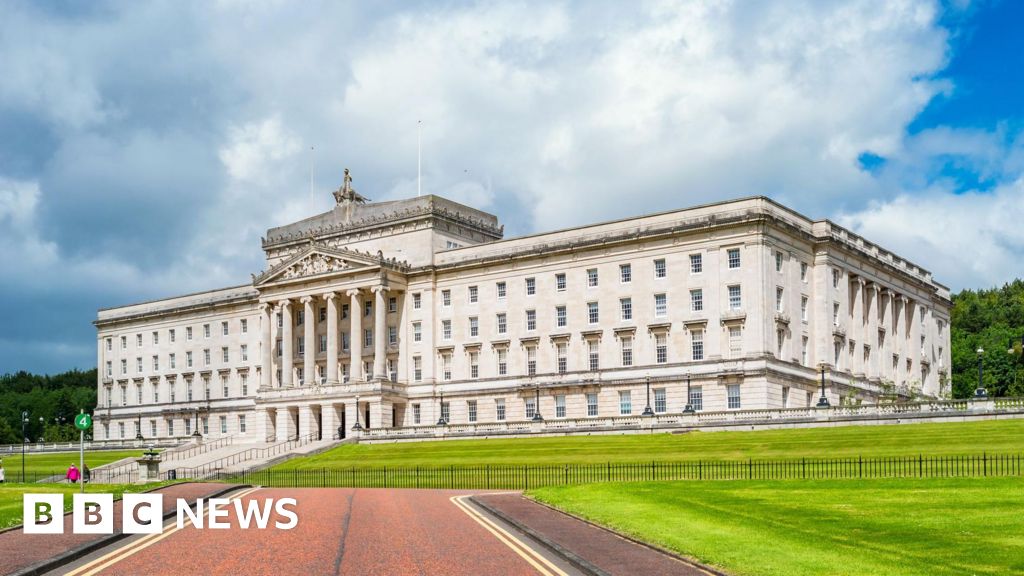
Belfast and communities across Northern Ireland marked the 28th anniversary of the Good Friday Agreement on Friday, with official statements from both the Irish and British governments paying tribute to the landmark peace deal, even as the region faces fresh tensions over fuel protests and pressure on emergency services.
Background
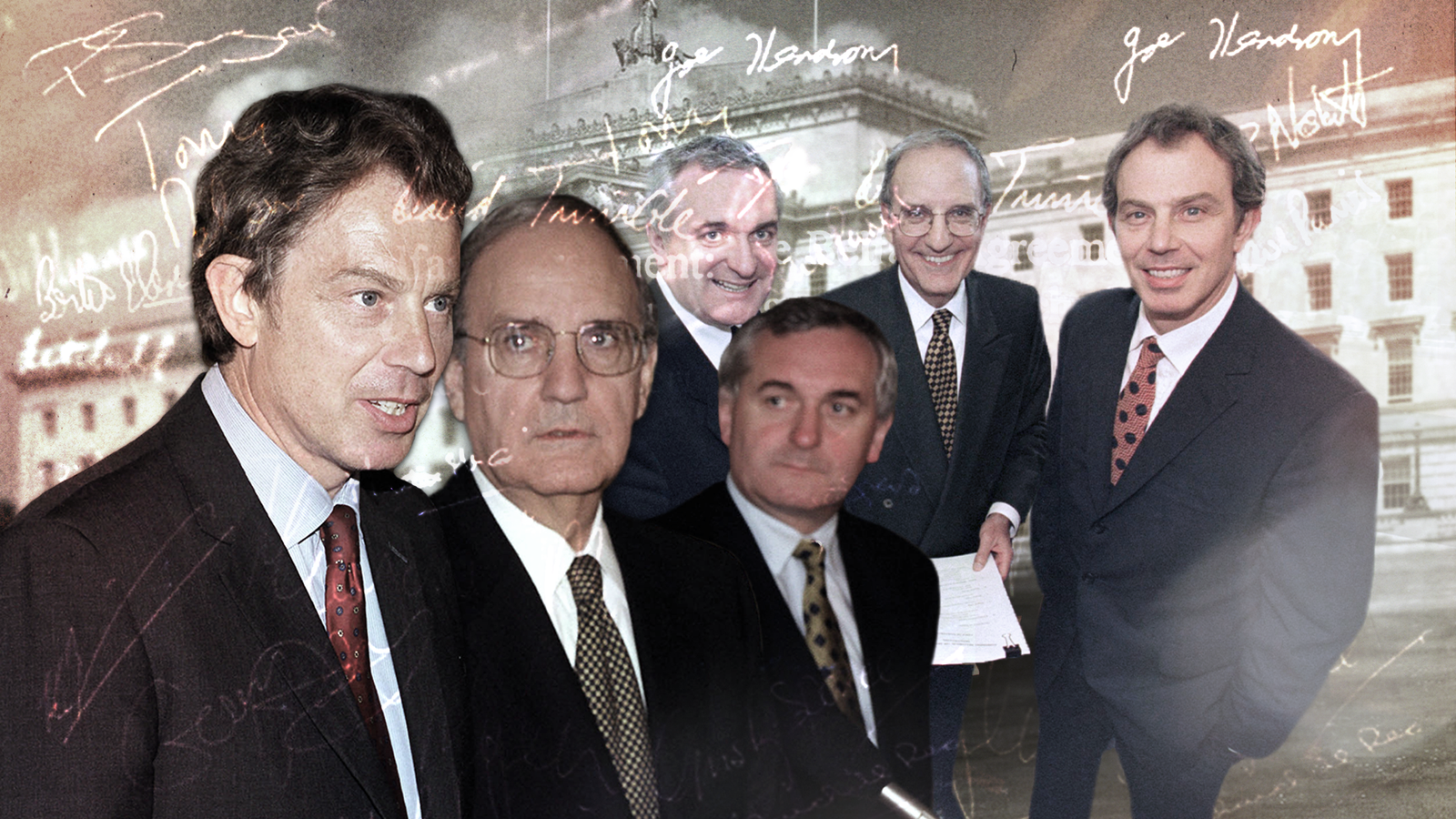
The Good Friday Agreement, also known as the Belfast Agreement, was signed on 10 April 1998 — Good Friday that year — after years of painstaking negotiations involving most of Northern Ireland's political parties and the British and Irish governments. The accord brought an end to most of the violence of the Troubles, a 30-year conflict that resulted in over 3,500 deaths, and established the power-sharing institutions that continue to govern Northern Ireland today. It was approved by voters across the island of Ireland in referendums on 22 May 1998.
The agreement established the Northern Ireland Assembly and Executive on a power-sharing basis, created North-South institutions to foster cooperation between Northern Ireland and the Republic, and enshrined the principle that Northern Ireland's constitutional status can only change through a referendum. It also formally recognised the right of the people of Northern Ireland to identify as Irish, British, or both — a provision that has proved foundational to the peace process. Major reforms in policing, the decommissioning of paramilitary weapons, and the demilitarisation of Northern Ireland followed in the years after the agreement was signed.
The Department of Foreign Affairs and Trade in Dublin issued a statement from Minister McEntee marking the occasion, reflecting on the transformative impact of the agreement and reaffirming the Irish government's commitment to its principles and institutions.
Key Developments
The anniversary falls on a particularly challenging day for Northern Ireland, with fuel protests that began in the Republic of Ireland spreading northwards. An MLA urged protesters to be mindful of how they demonstrate and to avoid blocking key infrastructure, as concerns grew about the impact on emergency services. The Northern Ireland Ambulance Service (NIAS) reported being under significant pressure due to high levels of duplicate 999 calls, with one injured man forced to wait over 13 hours for an ambulance.
As of 2026, Northern Ireland's power-sharing institutions are functioning, having been restored in February 2024 after a two-year collapse. However, the government has been beset by tensions between the main parties, leading to legislative gridlock and a growing sense of public frustration. A recent poll indicated that only one in four people in Northern Ireland believe the devolved government has improved their lives — a sobering statistic on an anniversary that should be a moment of celebration.
In Belfast itself, police conducted a proactive drug search in north Belfast and responded to an assault in east Belfast. Belfast City Council has a range of events planned for April, including a Titanic Commemoration Service on 15 April marking the 114th anniversary of the sinking of RMS Titanic, and Easter holiday programmes at leisure centres across the city.
Why It Matters
The Good Friday Agreement remains the foundation of peace and political stability in Northern Ireland. Its 28th anniversary is an opportunity to reflect on how far the region has come — from the height of the Troubles to a society where, despite ongoing challenges, political violence is no longer a feature of daily life. The agreement's institutions, though tested at times, have provided a framework for managing deep political differences peacefully. For communities in Belfast and across Northern Ireland, the peace that has now lasted for a generation has allowed for economic growth and a return to a semblance of normal life after decades of fear and violence.
Yet the anniversary also prompts honest reflection on the work that remains. Deep-seated sectarian divisions persist, and full reconciliation is an ongoing process that requires sustained political will and community engagement.
Local Impact
For Belfast, the Good Friday Agreement's anniversary is deeply personal. The city bore the brunt of the Troubles more than anywhere else in Northern Ireland, and the transformation of its streets — from bomb-scarred conflict zones to a thriving city centre attracting tourists and investment — is the most visible testament to what the agreement made possible. Community organisations across north, south, east, and west Belfast continue to do the painstaking work of reconciliation, building relationships across the sectarian divide that the agreement created the conditions for. The fuel protests and ambulance delays this week are a reminder that the challenges facing Belfast are not only political but deeply practical, and that the institutions the agreement created must deliver for ordinary people to retain their legitimacy.
What's Next
The anniversary comes as Northern Ireland continues to navigate complex political questions, including the ongoing impact of post-Brexit trading arrangements and the need to maintain cross-community support for the power-sharing institutions. Community events and commemorations will continue across the Easter weekend. Further coverage of the anniversary is available at The Guardian and the Irish government's statement is published at Gov.ie.