Strait of Hormuz Attack and Iran Peace Proposal Heighten Tensions as US-Iran Standoff Deepens
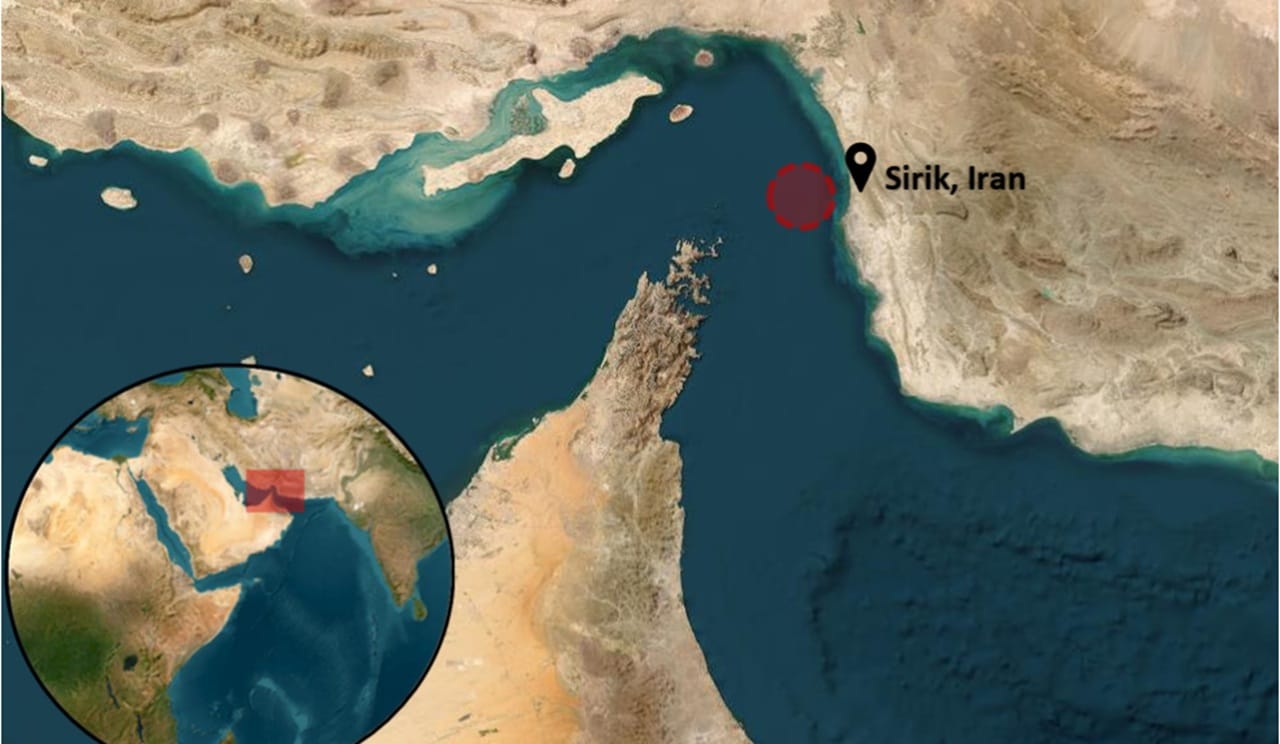
Tensions in the Persian Gulf have escalated dramatically after a fresh attack on a commercial vessel near the Strait of Hormuz, while Iran has simultaneously presented a 14-point peace proposal to the United States, creating a volatile and unpredictable diplomatic standoff. The attack, the 24th of its kind, was reported by the UK Maritime Trade Operations on 3 May 2026, as a bulk carrier was swarmed by multiple small craft off the coast of Sirik. This act of aggression comes as the Trump administration is sceptically reviewing the Iranian peace plan, which calls for a permanent end to the conflict in exchange for the lifting of sanctions and a full US military withdrawal from the region.Background
The Strait of Hormuz, a narrow waterway separating Iran from the Arabian Peninsula, is the world's most important oil chokepoint. Approximately one-fifth of the world's oil consumption passes through the strait, making its security a matter of global concern. In recent months, the region has been on a knife-edge, with a series of tit-for-tat attacks on shipping, drone strikes, and inflammatory rhetoric from both Washington and Tehran. The current crisis is the culmination of years of deteriorating relations, exacerbated by the US withdrawal from the 2015 nuclear deal and the imposition of crippling economic sanctions on Iran.
The Trump administration has pursued a policy of "maximum pressure" on Iran, aiming to force it back to the negotiating table to agree to a more restrictive deal on its nuclear programme and to curb its regional influence. Iran, in response, has ramped up its nuclear activities and has been accused of using its proxies in the region to target US interests and disrupt global oil supplies. The situation has created a dangerous cycle of escalation, with both sides seemingly locked in a collision course.
The international community has been largely unable to de-escalate the crisis. European powers, who were signatories to the original nuclear deal, have been trying to salvage it, but their efforts have been undermined by the US sanctions. Regional powers, such as Saudi Arabia and the UAE, are deeply concerned by Iran's actions but are also wary of a full-blown military conflict that would have devastating consequences for the entire region.
Key Developments
The latest attack on the bulk carrier, which occurred off the coast of Sirik, a known base for Iran's Islamic Revolutionary Guard Corps (IRGC), is a clear and provocative escalation. While all crew members were reported safe following the incident, it serves as a stark reminder of the vulnerability of shipping in the strait and the potential for a miscalculation to trigger a wider conflict. The IRGC has been particularly bellicose, with its commanders stating that the US faces a choice between an "impossible" military operation and a "bad deal."
Against this backdrop of military posturing, the emergence of a 14-point peace proposal from Iran is a surprising and complex development. Delivered to the US via Pakistani mediators, the proposal reportedly offers a permanent cessation of hostilities and a commitment to regional stability in exchange for a complete lifting of all US sanctions and a phased withdrawal of all US military forces from the Middle East. While the full details of the proposal have not been made public, it appears to be a comprehensive attempt to address the root causes of the conflict.
The Trump administration's reaction has been one of deep scepticism. While President Trump is said to be reviewing the proposal, his administration has a history of distrusting Iranian overtures. International reaction has been mixed. Germany's Foreign Minister, Johann Wadephul, has demanded that Iran immediately reopen the strait to safe passage and renounce its nuclear weapons ambitions as a precondition for any serious negotiations. Meanwhile, the UK has announced contingency plans for air travel and jet fuel supplies, a sign of the growing concern in Europe about the potential economic fallout from the crisis. In an attempt to calm the volatile oil markets, OPEC+ has announced a modest production increase of 188,000 barrels per day for June.
Why It Matters
The world is watching the Persian Gulf with bated breath. The combination of a direct military provocation and a simultaneous, ambitious peace offer has created a situation of extreme uncertainty. The key question is whether this is a genuine, albeit high-stakes, diplomatic opening from Tehran, or simply a new and more sophisticated phase in its long-running conflict with the West. The Trump administration's response will be critical. A flat rejection of the peace proposal could be interpreted by Iran as a sign that the US is not interested in a diplomatic solution, potentially leading to a further escalation of hostilities.
The risk of a miscalculation or an unintended escalation remains dangerously high. A military conflict in the Strait of Hormuz would have catastrophic consequences, not just for the region, but for the global economy. It would trigger a massive spike in oil prices, disrupt global trade, and could draw in other regional and global powers. For the UK and Ireland, the disruption to jet fuel supplies is already prompting government contingency planning — a direct and tangible consequence of a conflict thousands of miles away. The fate of the 2015 nuclear deal, and the broader cause of nuclear non-proliferation, also hangs in the balance.
Local Impact
For the people of the UK and Ireland, the Strait of Hormuz crisis is not a distant abstraction. The UK government's Department for Transport has already issued contingency plans for airlines to consolidate flight schedules to manage potential jet fuel supply disruptions. Transport Secretary Heidi Alexander stated that the government has been monitoring jet fuel supplies daily and is working with airlines, airports, and suppliers to stay ahead of any problems. For British and Irish holidaymakers planning summer travel, the situation is a source of growing anxiety. Rising energy prices, driven by the conflict, are also feeding through to household bills and business costs across the UK and Ireland.
What's Next
The next few days and weeks will be critical. The world will be looking for a sign from the Trump administration about how it intends to respond to the Iranian peace proposal. The actions of the IRGC in the Strait of Hormuz will also be closely scrutinised. The key challenge will be to find a way to de-escalate the military tensions while exploring the potential for a diplomatic solution. The stakes could not be higher. US Treasury Secretary Scott Bessent has predicted that energy prices should decline once the war concludes, but the path to that conclusion remains deeply uncertain.
Sources: The Hindu | Seatrade Maritime