Stormont Approves £36.4m Support Package as Fuel Protests Continue Across Northern Ireland
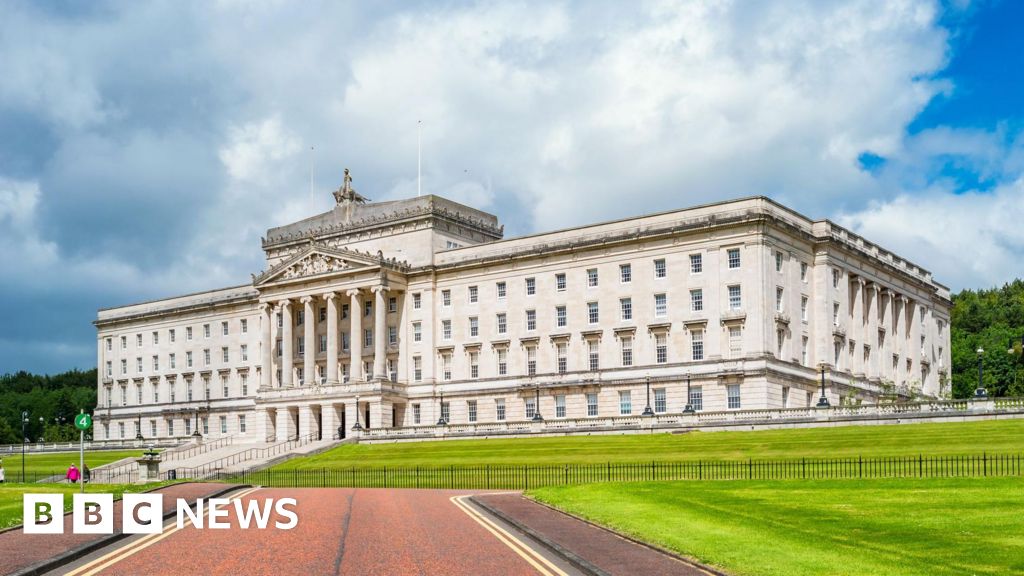
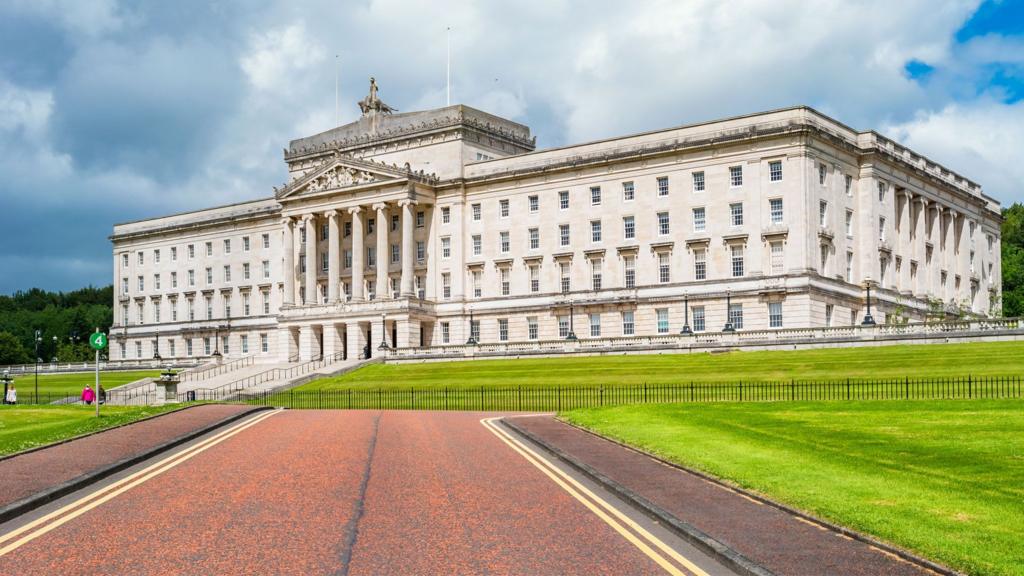
The Northern Ireland Executive has approved a £36.4 million emergency support package to help households cope with soaring energy costs, as fuel protests entered their second consecutive weekend across the region, with demonstrations reported in Co Tyrone and other areas. Finance Minister John O'Dowd has confirmed that Stormont is simultaneously engaged in discussions with the UK government in London to secure a broader, longer-term financial package to address the structural challenges facing Northern Ireland's economy.
Background
Northern Ireland has been gripped by a deepening cost of living crisis driven by spiralling fuel and energy prices. The crisis has been exacerbated by global geopolitical tensions, particularly in the Middle East, where disruption to oil supply routes has pushed prices to new highs. Households across the region have been struggling to meet rising heating oil and electricity bills, prompting widespread public anger that has now spilled onto the streets in the form of organised protests.
Northern Ireland faces a particular vulnerability to energy price shocks that sets it apart from other parts of the United Kingdom. Unlike Great Britain, where the majority of homes are connected to the gas network, a significant proportion of Northern Ireland households — particularly in rural areas — rely on heating oil as their primary source of domestic heat. This dependence on oil means that global price fluctuations have a more direct and immediate impact on household budgets in Northern Ireland than elsewhere in the UK. Energy analysts have warned that electricity prices could rise by as much as 9 per cent over the summer, with gas prices potentially increasing even further, placing additional strain on households already stretched to their limits.
The protests that have taken place across Northern Ireland over the past two weekends reflect the depth of public frustration at the pace of government action. Demonstrators in Co Tyrone and other areas have called for more substantial and immediate support, arguing that the measures announced so far are insufficient to address the scale of the crisis facing ordinary families. Community and voluntary sector organisations have been particularly vocal in highlighting the plight of vulnerable households, including the elderly, those on fixed incomes, and families with young children.
Key Developments
The Northern Ireland Executive's approval of the £36.4 million package represents one of the most significant emergency financial interventions in recent years. Under the scheme, eligible households will receive a £100 prepaid card specifically designated for heating oil costs, providing immediate relief to those most affected by the price surge. The scheme mirrors similar interventions that have been used in previous energy crises, though community groups have argued that the £100 payment falls short of what is needed given the scale of current price increases.
Finance Minister John O'Dowd confirmed that Stormont is simultaneously engaged in discussions with the UK government in London to secure a broader, longer-term "proper financial package" to address the structural challenges facing Northern Ireland's economy. O'Dowd described the situation as a "significant cost of living crisis" requiring sustained support beyond one-off payments, and indicated that the outcome of the London talks would be crucial in determining the Executive's capacity to provide further assistance.
The Northern Ireland Assembly is also facing a tight legislative deadline, with a number of important bills requiring passage before the next scheduled election. The combination of the financial crisis and the legislative pressure is placing considerable strain on the Executive's capacity, and there are concerns that the political focus on the energy crisis may delay progress on other important policy areas.
Why It Matters
The £100 prepaid card scheme, while welcomed by many, has been described by some community groups as insufficient given the scale of price increases. For households already stretched to their limits, the prospect of further energy price hikes is deeply concerning. The situation in Northern Ireland mirrors a broader crisis across the island of Ireland and the wider United Kingdom, but the region faces unique challenges due to its heavy reliance on heating oil and its geographic position. The protests that have taken place across the region are a clear signal that public patience is wearing thin, and that the Executive will need to demonstrate a credible and sustained response to the crisis if it is to maintain public confidence. The outcome of the London talks will be closely watched by households, businesses, and community organisations across Northern Ireland.
Local Impact
For families in Belfast, Derry, and across the towns and rural communities of Northern Ireland, the energy crisis is not an abstract policy challenge — it is a daily reality that is forcing impossible choices between heating and eating. The particular vulnerability of rural communities, where dependence on heating oil is significantly higher than in urban areas with access to the gas network, has been highlighted by community leaders and elected representatives. In areas like Co Tyrone, Co Fermanagh, and Co Antrim, where many homes are off the gas grid, the impact of rising oil prices has been especially severe. Local food banks and community support organisations have reported increased demand for assistance, reflecting the wider social impact of the energy crisis on the most vulnerable members of Northern Ireland society.
What's Next
The Executive is expected to continue negotiations with Westminster over additional funding, and the outcome of those talks will be closely watched by households and businesses across Northern Ireland in the coming weeks. Community and voluntary sector organisations have called for the prepaid card scheme to be extended to a wider range of households, including those in private rented accommodation who may not currently qualify for support. The fuel protests are likely to continue until the Executive can demonstrate a more comprehensive and sustained response to the crisis. For more information, visit The Irish News and BBC Northern Ireland.