Sinn Féin Launches Stormont Reform Blueprint as Executive Faces Criticism for Year of Political Stagnation
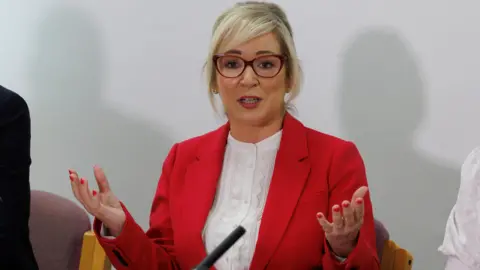
Sinn Féin has launched a political reform document titled 'Building Better Politics' that aims to prevent future collapses of the Stormont institutions, as the power-sharing Executive faces widespread criticism for what commentators are describing as a year of stagnation — with parties already positioning themselves for the 2027 Assembly election rather than focusing on delivery.
Background
The history of the Stormont institutions since the Good Friday Agreement of 1998 has been punctuated by repeated crises, suspensions, and collapses. The most recent and prolonged collapse — which lasted from February 2022 to February 2024, when the DUP withdrew from the Executive in protest at the Northern Ireland Protocol — left the province without a functioning government for two years, during which critical decisions on health, education, and infrastructure were either delayed or made by civil servants operating without political direction.
The restoration of the Executive in early 2024, following the Windsor Framework negotiations and the DUP's decision to re-enter government, was widely welcomed. But the optimism of that moment has given way to a more sober assessment of what the institutions have actually delivered in the period since. Critics across the political spectrum — including voices within the parties that make up the Executive — have pointed to a lack of tangible progress on the issues that matter most to people: health waiting lists, housing, the cost of living, and educational underachievement.
The structural problems of the Stormont system are well understood. The mandatory coalition model, which requires the largest unionist and nationalist parties to share power regardless of their political differences, creates a dynamic in which parties are simultaneously partners in government and opponents in the political arena. This tension has repeatedly made it difficult to take difficult decisions or to present a coherent programme for government to the public.
Key Developments
Sinn Féin's 'Building Better Politics' document, launched in June 2026, sets out a series of proposals designed to address the structural weaknesses of the Stormont system. The centrepiece of the proposals is a mechanism to prevent future institutional collapses by removing the ability of any single party to bring down the Executive through withdrawal. Under the current arrangements, the DUP's withdrawal in 2022 triggered the collapse of the institutions; Sinn Féin's proposals would make it significantly harder for any party to repeat that action.
The document has drawn support from Alliance and the SDLP, both of which have their own reform proposals. Alliance has long argued for a move away from the mandatory coalition model towards a voluntary coalition system, which it believes would produce more coherent and accountable government. The SDLP has focused on strengthening the role of the Assembly committees and improving the transparency of Executive decision-making.
The DUP has responded to Sinn Féin's proposals with caution, noting that any changes to the fundamental architecture of the institutions would require cross-community support and potentially a new round of negotiations involving the British and Irish governments. The party has not rejected the proposals outright, but its public statements have emphasised the need for careful consideration rather than rapid change.
The political backdrop to the reform debate is the approaching 2027 Assembly election, which is already shaping party behaviour. Analysts have noted that the parties are increasingly focused on electoral positioning rather than on the business of government, a dynamic that is contributing to the sense of stagnation that has characterised the Executive's performance in 2026. The fallout from the Jeffrey Donaldson conviction has added to the DUP's difficulties, creating internal pressures that have made it harder for the party to engage constructively with the reform agenda.
Why It Matters
The reform of the Stormont institutions is not an abstract constitutional question — it has direct consequences for the quality of governance that people in Northern Ireland receive. A system that is perpetually vulnerable to collapse, and in which parties are incentivised to prioritise electoral positioning over delivery, is a system that will consistently underperform relative to the needs of the population it serves.
The comparison with the Republic of Ireland is instructive. The Dáil operates under a conventional parliamentary system in which governments are formed by parties that choose to work together and can be held accountable for their performance. The mandatory coalition model at Stormont creates a fundamentally different dynamic, one in which accountability is diffused and the incentives for delivery are weaker.
The reform proposals being advanced by Sinn Féin, Alliance, and the SDLP represent a genuine attempt to address these structural problems. Whether they can achieve the cross-community support necessary to be implemented is another question — but the fact that three of the five main parties are now actively engaged in the reform debate is itself a significant development.
Local Impact
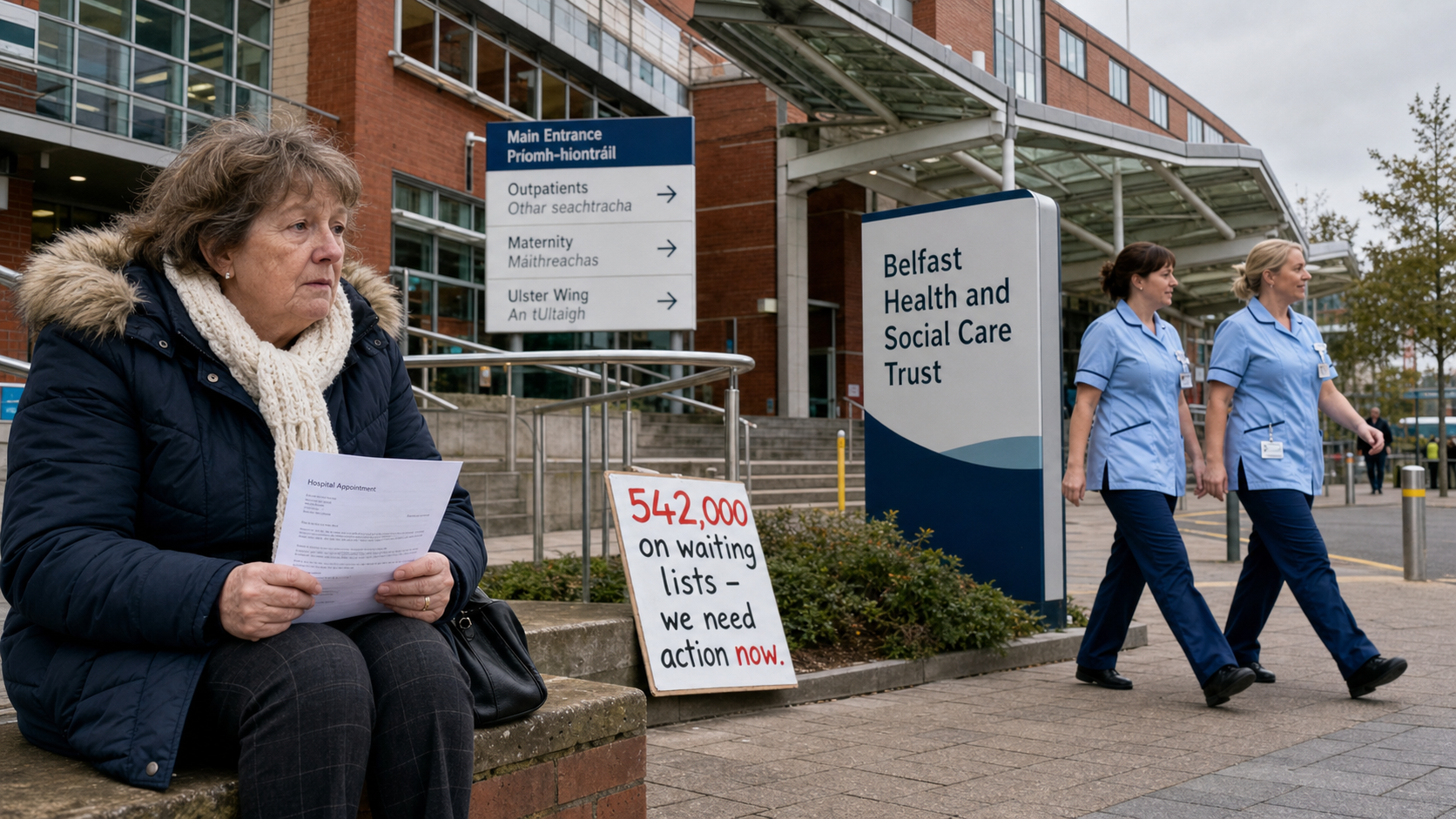
For people across Northern Ireland, the practical impact of political stagnation is felt most acutely in the areas where government action is most needed. Health waiting lists remain at record levels. The housing crisis — which affects both the social rented sector and the private market — has not been adequately addressed. Educational underachievement, particularly in areas of socioeconomic deprivation, continues to blight the life chances of thousands of young people.
In communities from Derry to Newry, from Antrim to Enniskillen, the frustration with Stormont's failure to deliver is palpable. The reform debate is, at one level, a conversation among politicians about institutional architecture. But at another level, it is a conversation about whether the people of Northern Ireland can expect their government to actually govern.
What's Next
Sinn Féin's 'Building Better Politics' document will be the subject of further political discussion over the summer, with the party planning a series of public engagement events to build support for its proposals. The British and Irish governments have been briefed on the reform agenda and are expected to respond formally in the autumn. The 2027 Assembly election, which must take place by May of that year, will be a critical test of whether the reform agenda has gained sufficient public traction to influence the outcome.