'Sing for the Lough': Community Choirs Gather at Lough Neagh to Give the Lake a Voice
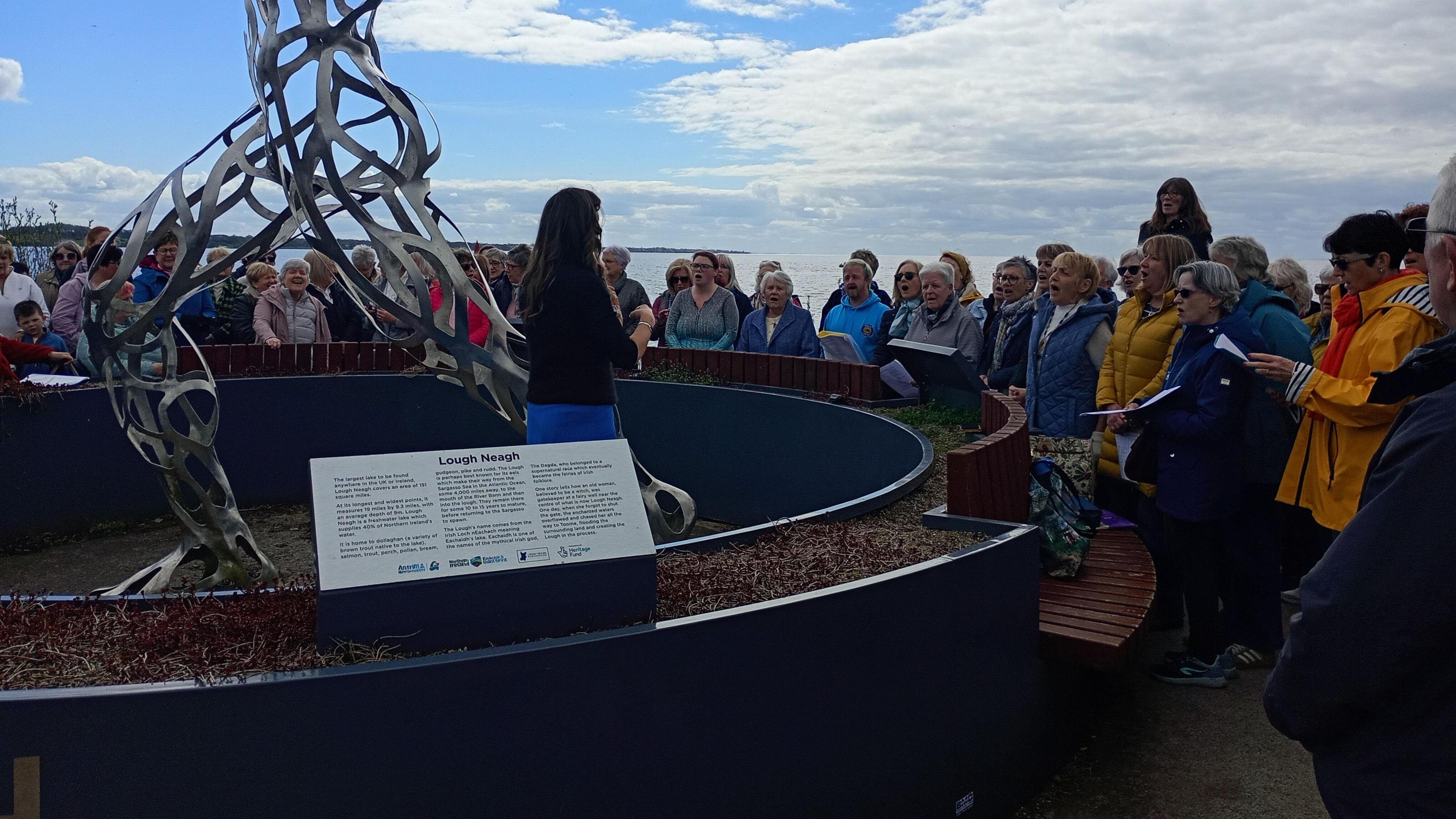
Hundreds of singers from community choirs across Northern Ireland gathered at the shores of Lough Neagh on Sunday, 19 April 2026, for a moving "Sing for the Lough" event, using music and song to raise awareness about the environmental challenges facing the UK's largest freshwater lake and to call for urgent action to address its devastating pollution crisis.
Five local choirs gathered at various locations around the lough for the community-led musical protest, organised by campaigners including choir director Una McCann, who composed a special song for the occasion titled 'Water is Life'. The event aimed to use the power of collective song to call for a long-term recovery plan for a body of water that supplies 40% of Northern Ireland's drinking water, holds international environmental designations, and has been at the heart of the region's cultural and economic life for millennia.
Background
Lough Neagh, which covers approximately 388 square kilometres and is the largest freshwater lake in the British Isles, has faced a severe ecological crisis in recent years, primarily characterised by vast blue-green algal blooms that have been visible from space. The main causes of the crisis are decades of nutrient enrichment, or eutrophication, from agricultural runoff — which accounts for 56% of phosphorus entering the lough — and wastewater discharges, which account for a further 31%.
The crisis has been compounded by the invasive zebra mussel, which has disrupted the lough's ecosystem by filtering out competing plankton, increasing water clarity and allowing more sunlight to fuel the growth of algal blooms. Rising water temperatures driven by climate change have created ideal conditions for the rapid proliferation of blue-green algae, which is toxic to wildlife, pets, and humans. The blooms have led to the death of fish and wildlife, posed serious risks to public health, and severely impacted local industries including fishing and recreation. The scale of the crisis has been described by environmental scientists as one of the most serious freshwater ecological emergencies in the UK.
Key Developments
The "Sing for the Lough" event drew singers of all ages and backgrounds from across Northern Ireland, with choirs performing original compositions and traditional songs inspired by the lough and its surrounding landscape. Organisers described the event as a way of "giving a voice" to the lough and drawing public attention to the urgent need for action. The event was covered by BBC News, which highlighted the community's deep emotional connection to the lough and their determination to fight for its future.
The Department of Agriculture, Environment and Rural Affairs (DAERA) has acknowledged the severity of the issue and stated that a "Lough Neagh Action Plan" is in place. An inter-agency task force has also been established to address the crisis. However, campaigners have criticised the pace of action and the lack of investment in regulatory enforcement, arguing that decades of inaction have allowed the crisis to reach its current catastrophic scale. The political will to impose stricter controls on agricultural runoff — a measure that would inevitably affect farming communities — has been slow to materialise.
Why It Matters
Lough Neagh is not just an environmental asset but a cultural and spiritual one, deeply embedded in the identity of communities across Northern Ireland. It holds several environmental designations, including as a Special Protection Area and a Ramsar site, signifying its importance as a wetland of international importance. The "Sing for the Lough" event demonstrates the power of community action and creative expression to draw attention to environmental issues and to build a movement for change — a reminder that the fight for the lough's future is not just a scientific or regulatory challenge but a deeply human one. The crisis also has profound practical implications: as the source of 40% of Northern Ireland's drinking water, the health of Lough Neagh is directly connected to the health of the people who depend on it.
Local Impact
For the communities that live and work around Lough Neagh — the fishermen, the farmers, the families who have swum in its waters for generations — the pollution crisis is a source of profound grief and anger. The "Sing for the Lough" event gave voice to that grief in the most human way possible, transforming it into something beautiful and collective. It is a reminder that environmental activism need not be confrontational to be powerful, and that the arts have a vital role to play in building the public will for change. The challenge now is to translate that will into the political action and sustained investment that the lough so urgently needs, before the damage becomes irreversible.
What's Next
Campaigners are calling on the Northern Ireland Executive to take urgent action to address the pollution crisis, including stricter regulation of agricultural runoff and investment in sewage treatment infrastructure. For more, see BBC News and The Irish Times.