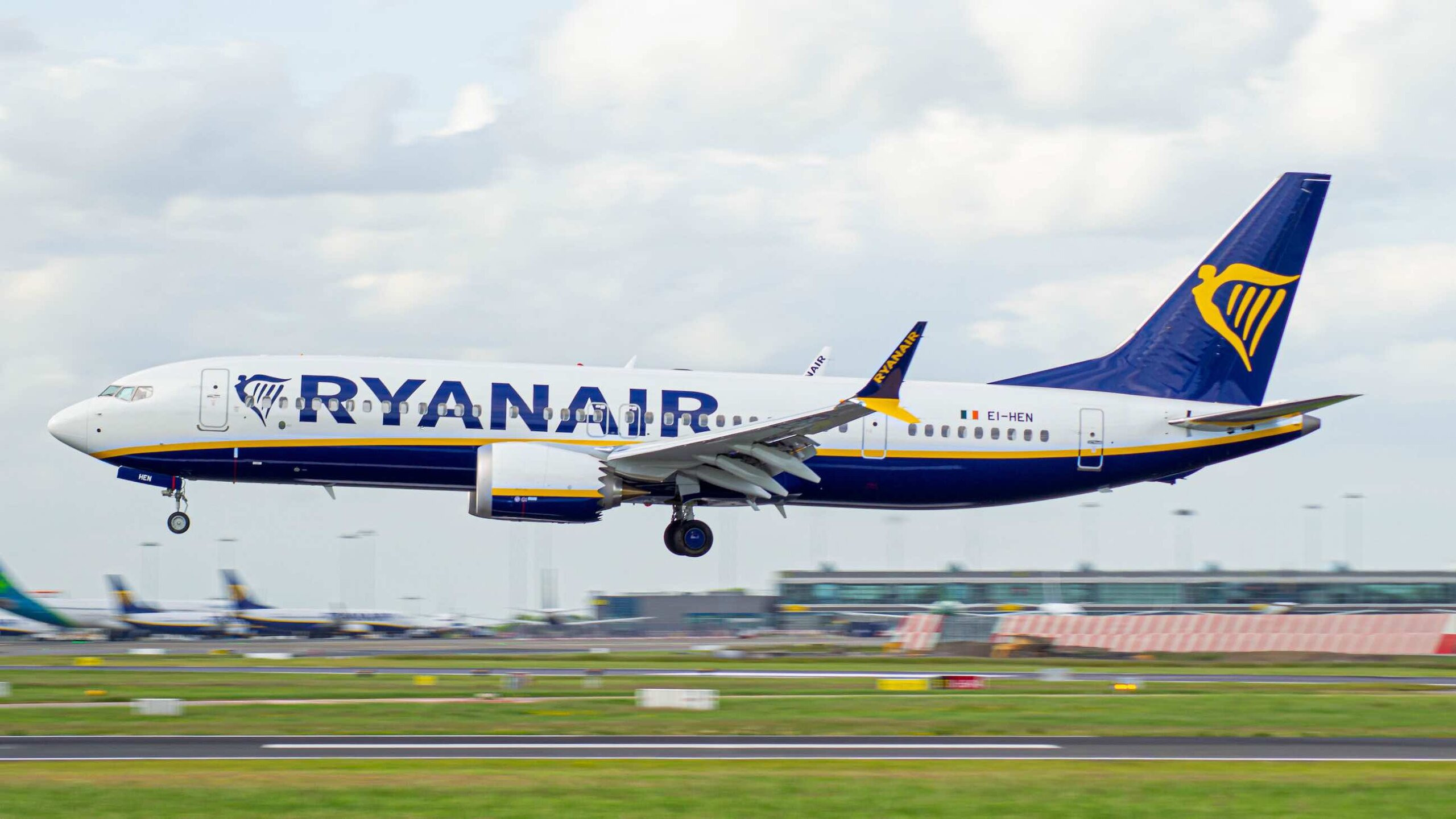
Ryanair Closes Berlin Base Cutting Two Million Seats in Major European Shake-Up
Ryanair, the continent's largest airline, has announced the closure of its base at Berlin Brandenburg Airport, a move that will slash its capacity from the German capital by over two million seats and cause significant disruption to several UK routes. The decision is part of a major strategic shake-up for the low-cost carrier, reflecting intense economic pressures, rising airport costs, and a fiercely competitive landscape in European aviation.
Background
Ryanair has had a significant presence in Berlin for years, operating a base with several aircraft and crew. The German market, however, has become notoriously difficult for low-cost airlines. High airport charges, aviation taxes, and intense competition from legacy carriers like Lufthansa and its budget subsidiary Eurowings have squeezed profit margins. Ryanair CEO Michael O'Leary has been a vocal critic of the German government's aviation policies and the fees charged by airports, arguing they stifle competition and harm consumers. The closure of the Berlin base is the culmination of a long-running battle over costs and market conditions.
Key Developments
The airline confirmed this week that it will close its Berlin base at the start of the winter season. While some routes to and from the German capital will continue, operated by aircraft based elsewhere, the overall capacity will be drastically reduced. The move will lead to the cancellation of numerous routes, including several connecting Berlin with airports in the UK. The airline stated the decision was a direct result of "uncompetitive airport costs" and a market distorted by government support for legacy airlines. This is not an isolated incident; Ryanair has been reallocating its aircraft across Europe, moving capacity away from high-cost airports towards those that offer more favourable terms. The two million seat reduction represents a major withdrawal from one of Europe's key capital city markets. Source: Belfast Live.
Why It Matters
Ryanair's withdrawal from Berlin is a powerful indicator of the economic headwinds facing the European aviation industry. Even as travel demand has rebounded post-pandemic, airlines are grappling with high fuel costs, inflation, and pressure to invest in more sustainable aircraft. The decision to make such a drastic cut in a major market like Germany shows that Ryanair is ruthlessly focused on profitability and will not hesitate to abandon airports it deems too expensive. This has significant implications for consumers and for regional airports across Europe. It signals a potential future where airlines concentrate their services at lower-cost airports, potentially reducing connectivity and choice for passengers flying from major hubs that impose higher charges.
Local Impact
For travellers from Northern Ireland, the impact may not be direct, as Ryanair's primary routes from Belfast are not to Berlin. However, the broader strategic shift is highly relevant. Belfast International Airport has built its success on its partnership with low-cost carriers like Ryanair and easyJet. The Berlin decision is a stark reminder of how quickly airlines can move capacity if costs become uncompetitive. It underscores the importance for local airports and government to maintain a competitive cost base to retain and attract airline services. Any significant increase in local airport charges or the introduction of new aviation taxes in the UK could prompt airlines to re-evaluate their commitment to routes serving Northern Ireland, impacting local connectivity and the tourism economy.
What's Next
Ryanair will proceed with winding down its Berlin base operations over the coming months. The focus will now shift to how other airlines respond. It remains to be seen whether competitors like easyJet or Eurowings will step in to fill the capacity gap left by Ryanair, or if Berlin will see a permanent reduction in low-cost travel options. The German government and airport authorities are now under pressure to reconsider their charging structures if they wish to attract low-cost carriers back in the future. For Ryanair, the strategy is clear: its fleet of over 500 aircraft will be deployed where they can generate the highest returns, a message that will be heard by airport operators across Europe. Read more on this story at Belfast Live.