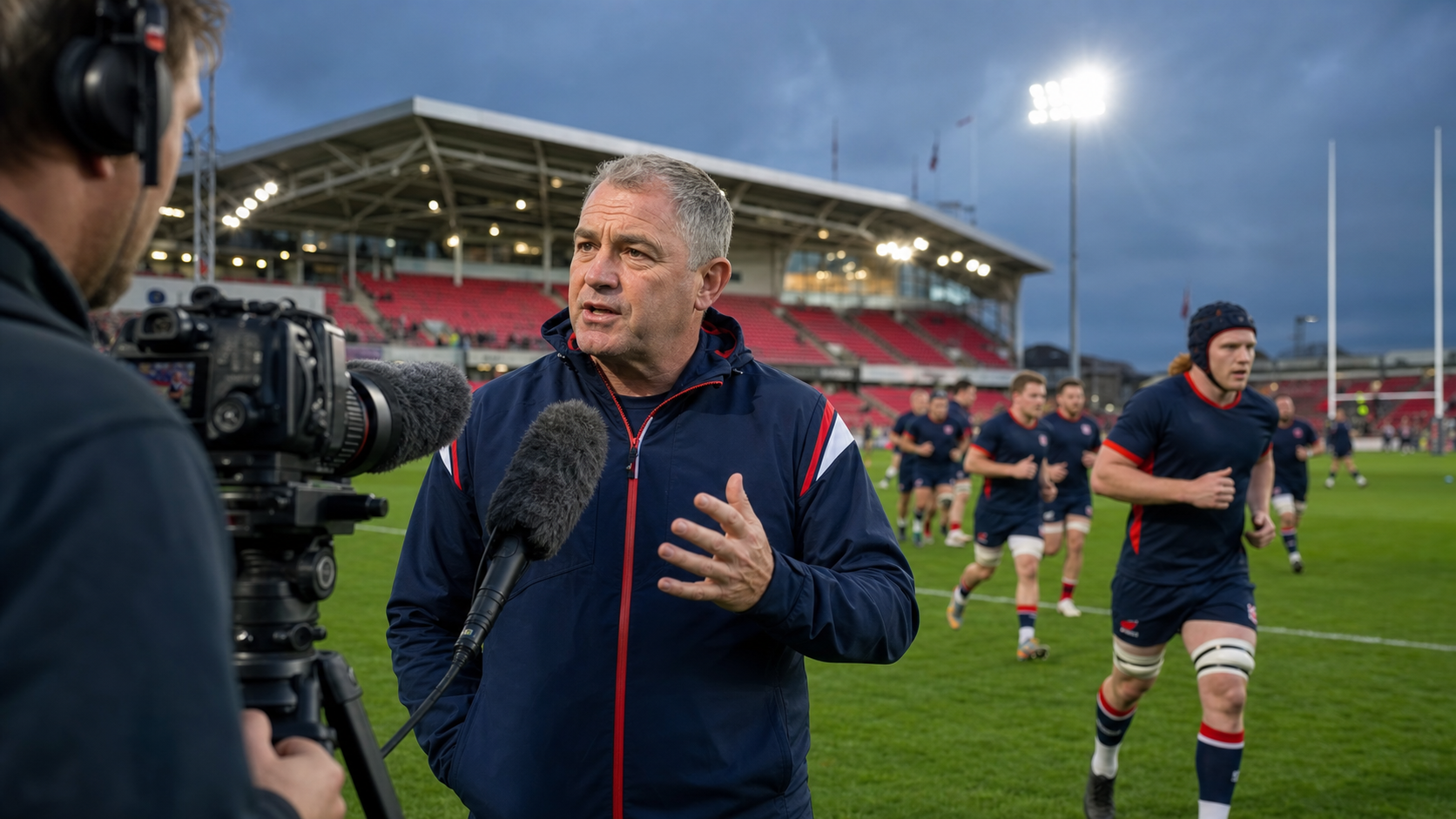
Richie Murphy Vows to Drive Ulster to New Level as Province Targets URC Play-Offs in Revamped 2026-27 Season
Ulster Rugby head coach Richie Murphy has spoken with characteristic directness about his ambitions for the 2026-27 United Rugby Championship season, vowing to drive the province to a new level after a campaign that ended in disappointment last year — with the return of Mack Hansen from a lengthy foot injury, the arrival of new signings, and the integration of promising academy talent all cited as reasons for optimism ahead of the season opener against Edinburgh on 25 September.
Background
Richie Murphy was appointed as Ulster head coach in 2024, taking over from Dan McFarland at a time when the province was seeking to rebuild after a period of underachievement relative to its potential. Murphy had previously served as Ireland's attack coach under Andy Farrell and brought with him a reputation for developing attacking rugby and for his ability to work with young players. His appointment was seen as a statement of intent by Ulster Rugby, which has consistently produced some of Ireland's best players but has struggled to translate individual talent into sustained team success.
The 2025-26 season was a mixed one for Ulster. The province missed the URC play-offs, finishing outside the top eight in the league table, but reached the final of the EPCR Challenge Cup — a run that demonstrated the team's capacity for big-game performances while also highlighting the inconsistency that has been a recurring feature of Ulster rugby in recent years. Murphy's contract was extended through to the end of the 2027-28 season, a vote of confidence from the province's board that reflected their belief in the direction of travel under his leadership.
The coaching staff has been strengthened for the new season. Clarke Dermody has joined as forwards coach, replacing Jimmy Duffy who departed by mutual consent, bringing experience from the New Zealand Highlanders. Former Ireland and Australia head coach Joe Schmidt has been integrated into the setup as a coach development advisor, providing consultancy support that Murphy has described as invaluable. The combination of Murphy's attacking philosophy, Dermody's set-piece expertise, and Schmidt's strategic insight represents a formidable coaching team.
Key Developments
Speaking ahead of the new season, Murphy was characteristically direct about what he expects from his squad. He identified the development of homegrown talent and staying true to Ulster's roots as key priorities alongside match results, and he pointed to the number of Ulster players in the Ireland squad as a metric by which he wants to be judged. The province has historically been a significant contributor to the national team, and Murphy sees increasing that contribution as both a measure of success and a driver of the province's own performance.
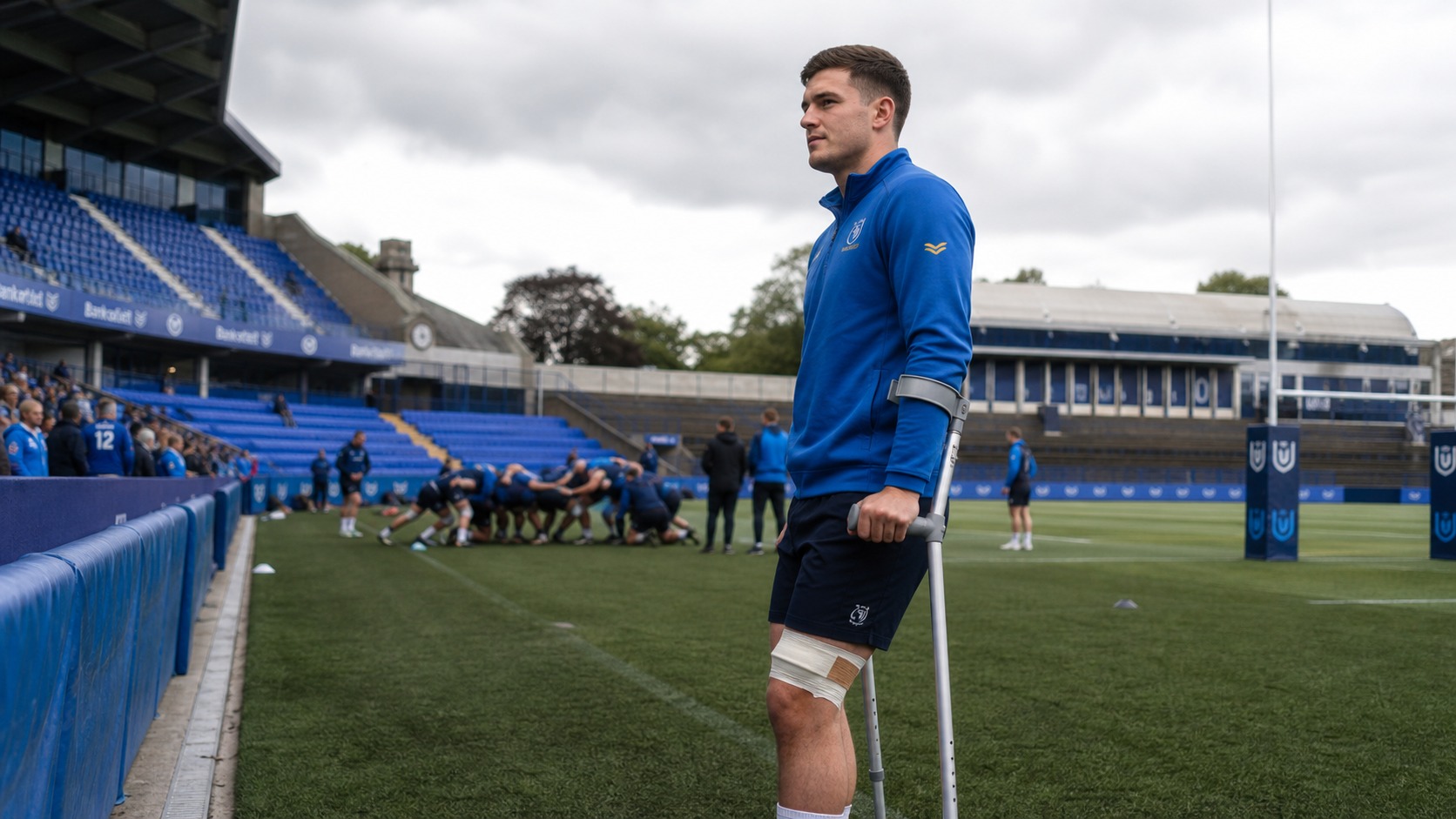
The return of Mack Hansen from a foot injury that kept him out for most of last season is one of the most significant developments for Ulster's attacking prospects. The Australian-born winger, who qualifies for Ireland through his Connacht connections, is one of the most dangerous ball-carriers in the URC when fit, and his presence in the backline transforms Ulster's attacking options. Hansen completed his comeback in a pre-season friendly against RC Vannes in late August and has been fully integrated into squad training ahead of the season opener.
New signings Eli Snyman, Matthew Devine, and Jamie Benson have added depth and competition across the squad, while academy graduates Bryn Ward and Henry Walker have been promoted to the senior setup. The combination of experienced internationals, new arrivals, and emerging talent gives Murphy a broader selection pool than he has had in his previous two seasons.
Why It Matters
Ulster Rugby's performance matters for Northern Ireland sport in a way that goes beyond the results on the pitch. The province is one of the most significant sporting institutions in Northern Ireland, drawing support from communities across all six counties and providing a focal point for sporting identity that transcends the political and cultural divisions that characterise so much of Northern Irish life. When Ulster performs well, it generates a sense of collective pride that is genuinely cross-community.
The URC is also a significant commercial and cultural asset for Northern Ireland. Ulster's home games at Kingspan Stadium in south Belfast attract crowds of up to 18,000 and generate significant economic activity in the city. The province's European campaigns bring Ulster into contact with the best clubs in France, South Africa, and the rest of the British Isles, providing a platform for Northern Ireland sport that few other institutions can match.
For context, Ulster's last URC title came in 2006, and the province has not reached a European final since 2012. The gap between Ulster's potential — measured by the quality of players it produces — and its actual achievements has been a source of frustration for supporters and a challenge for successive coaching teams. Murphy's task is to close that gap, and the early signs of his tenure suggest he has the tactical intelligence and man-management skills to do so.
Local Impact
In Belfast, the start of the new rugby season is always a significant moment in the sporting calendar. Kingspan Stadium, located in the Ravenhill area of south Belfast, is one of the city's most important sporting venues, and the atmosphere at Ulster home games — particularly for European fixtures — is among the best in the URC. The province draws support from across the city, from the south Belfast suburbs to the north and east of the city, and from communities across Antrim, Down, Armagh, and beyond.
The Ulster Rugby Academy, which operates from the province's base at Kingspan Stadium, continues to produce players of international quality. The promotion of Ward and Walker to the senior squad is the latest example of the academy's output, and Murphy has been explicit about his intention to give young players opportunities to develop at senior level rather than relying exclusively on established internationals.
What's Next
Ulster's 2026-27 URC season begins on 25 September with a home fixture against Edinburgh at Kingspan Stadium. The province also has pre-season fixtures against Edinburgh and Ospreys in the coming weeks, providing Murphy with the opportunity to assess his squad and finalise his selection plans before the competitive season begins. The EPCR Challenge Cup draw will take place in the coming weeks, and Ulster will be hoping for a favourable group to build on last season's final appearance.