Croke Park Bids for Champions Cup Finals as Ireland's Iconic Stadium Eyes European Rugby's Biggest Stage
Croke Park has entered the bidding process to host future European Champions Cup and Challenge Cup finals, competing against 22 other international venues across ten countries for the right to stage the sport's premier club rugby events in 2028, 2029, and 2030 — a bid that would require GAA approval and would build on the stadium's record-breaking performance as a Champions Cup semi-final venue in 2024.
Background
Croke Park is one of Europe's great sporting venues — an 82,000-seat stadium in the heart of Dublin that has hosted some of the most memorable occasions in Irish sporting history. Built and owned by the Gaelic Athletic Association, it is primarily the home of Gaelic football and hurling, but since the relaxation of Rule 42 — the GAA's ban on "foreign games" at its grounds — it has increasingly opened its doors to other sports, including rugby union, association football, and American football.
The stadium's capacity and facilities make it one of the most attractive venues in Europe for major sporting events. Its 82,000-seat capacity exceeds the minimum requirement for a Champions Cup final, and its location in the Irish capital — with excellent transport links, a large hotel stock, and a vibrant city centre — makes it an attractive proposition for tournament organisers and supporters alike.
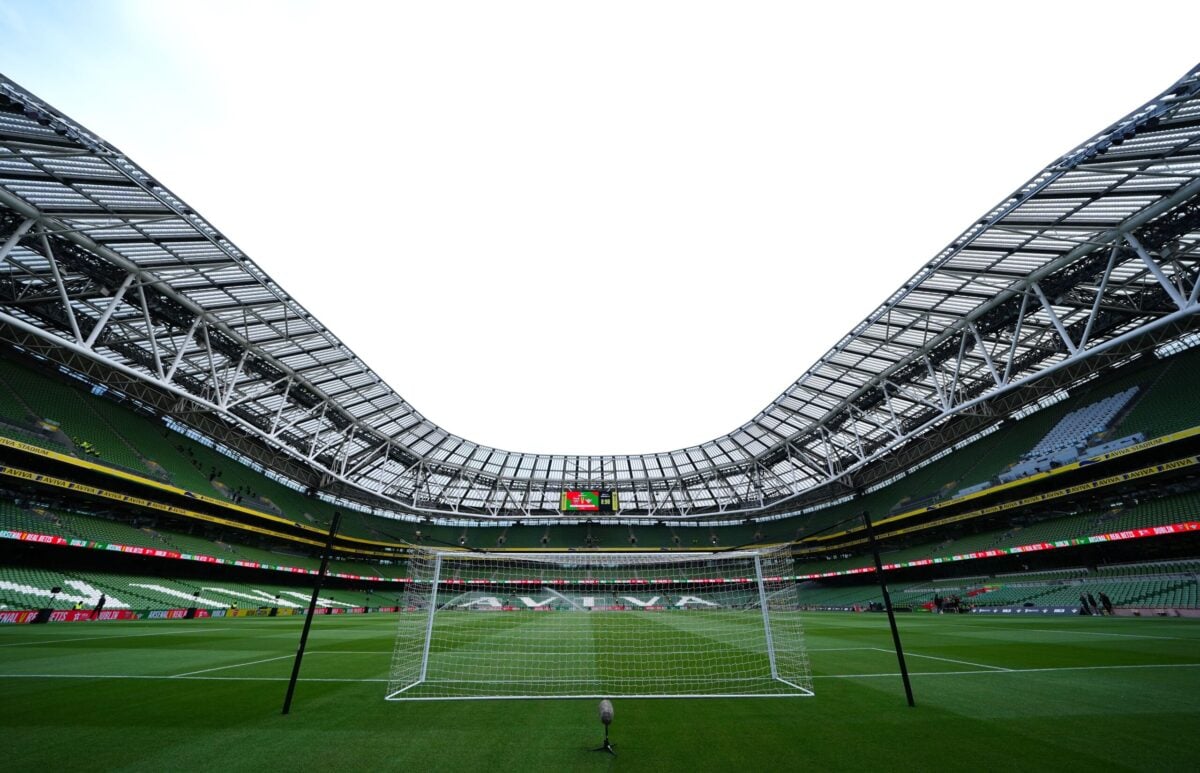
The European Professional Club Rugby organisation is currently determining the host venues for the Champions Cup and Challenge Cup finals in 2028, 2029, and 2030. The 2027 final has already been awarded to Lyon. Croke Park is one of 23 candidates across ten countries, and while it is regarded as a preferred venue within Ireland, reports suggest that a successful bid may be several years away, partly because Dublin's Aviva Stadium hosted the Champions Cup final in 2023.
Key Developments
Croke Park's commercial director Peter McKenna confirmed the bid on Thursday, describing it as a natural extension of the stadium's ambition to host major international sporting events. McKenna has previously expressed interest in hosting a UEFA Champions League final at Croke Park — a bid that would require the stadium's capacity to be assessed against UEFA's requirements — and the Champions Cup bid is consistent with that broader strategy.
The bid requires the approval of the GAA, which retains ultimate authority over the use of Croke Park for non-GAA events. The association has been broadly supportive of the stadium's commercial ambitions in recent years, recognising that revenue from major events helps to fund the development of Gaelic games at grassroots level. However, any bid for a Champions Cup final would need to be carefully managed to ensure it does not conflict with the GAA's own calendar of major events.
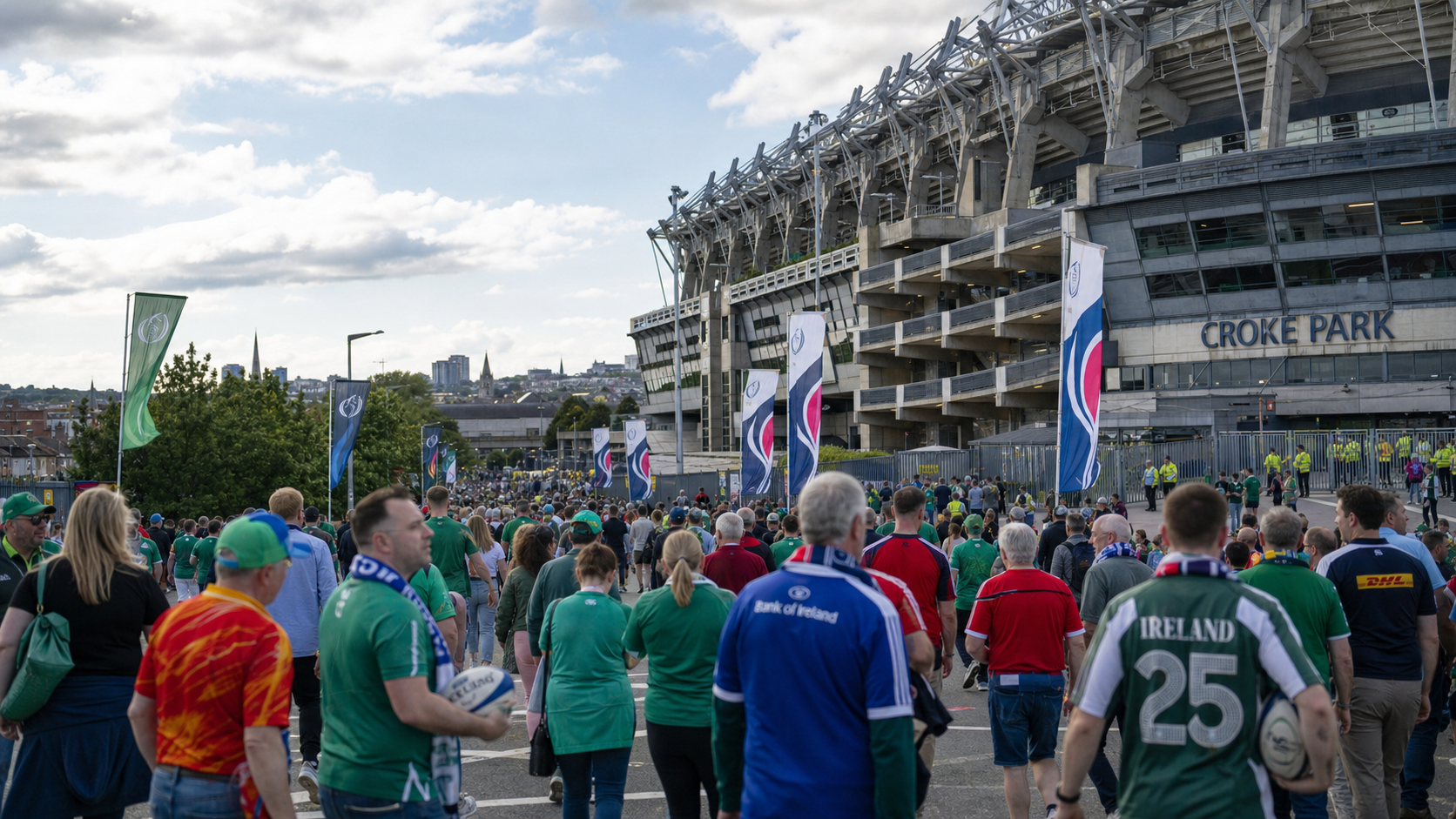
Croke Park's credentials as a Champions Cup venue were established in 2024, when it hosted a semi-final between Leinster and Northampton Saints that attracted a record crowd of 82,300 — the largest attendance at a European club rugby match in history. The atmosphere generated by that crowd, and the logistical success of the event, strengthened the case for Croke Park as a Champions Cup final venue.
Why It Matters
A Champions Cup final at Croke Park would be a significant event for Irish rugby and for Irish sport more broadly. The Champions Cup is the most prestigious club rugby competition in the world, and its final attracts tens of thousands of supporters from across Europe, generating significant economic activity for the host city. Dublin has a proven track record of hosting major international sporting events — the 2023 Champions Cup final at the Aviva Stadium was widely regarded as a success — and a Croke Park final would add to that reputation.
For the GAA, the hosting of a Champions Cup final at Croke Park would represent a further evolution in the association's relationship with rugby union — a sport that was once regarded as a rival and is now increasingly seen as a partner in the promotion of Irish sport. The revenue generated by a Champions Cup final would be substantial, and the global exposure for Croke Park as a venue would have long-term commercial benefits.
Local Impact
A Champions Cup final in Dublin would generate significant economic activity across the city, with tens of thousands of visiting supporters spending on accommodation, food, drink, and entertainment. The Drumcondra and Phibsborough areas around Croke Park would benefit directly from the influx of visitors, as would the city centre and the wider hospitality sector. Dublin Airport would see a significant increase in passenger numbers in the days around the final, and the city's transport infrastructure — including the Luas, Dublin Bus, and Irish Rail — would need to be prepared for the additional demand. The economic impact of a Champions Cup final has been estimated at between €30 million and €50 million for the host city.
What's Next
EPCR is expected to make its decisions on the 2028, 2029, and 2030 final venues in the coming months, following an assessment of the bids submitted by the 23 candidate venues. Croke Park's bid will be evaluated on the basis of its capacity, facilities, transport links, accommodation stock, and the commercial terms offered. The GAA's formal approval of the bid is expected to be sought at the association's next Central Council meeting. If the bid is successful, it would represent a landmark moment for Croke Park and for Irish sport.