NI Resident Doctors Walk Out in 24-Hour Strike Over Near-20% Pay Erosion Since 2008
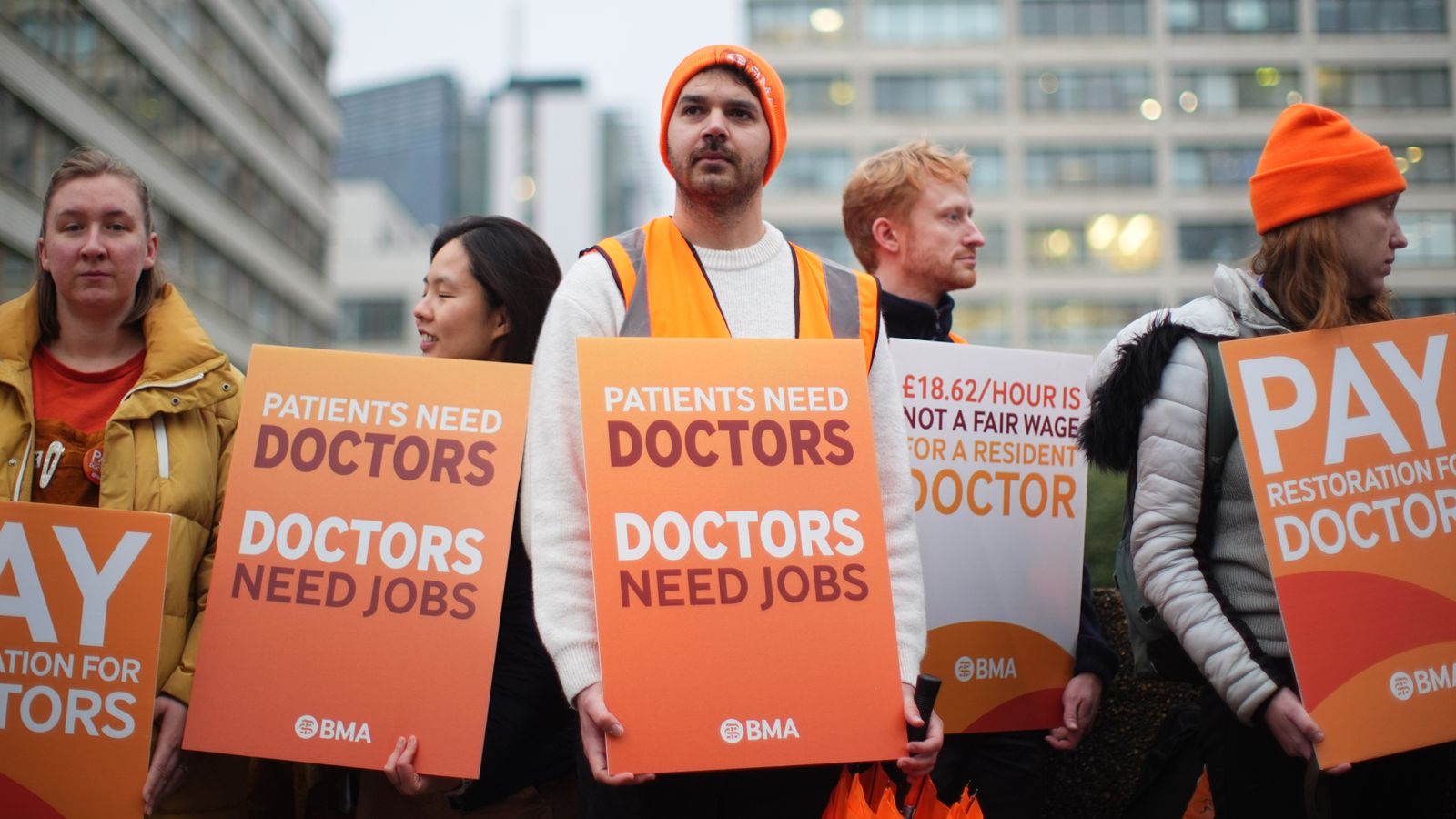
Resident doctors across Northern Ireland withdrew their labour on Monday, 29 June, in a 24-hour strike that saw picket lines established at hospitals from Belfast to Derry, as the British Medical Association pressed its case that doctors' real-terms pay has been eroded by nearly 20% since 2008 — a figure that the union argues has made Northern Ireland an increasingly unattractive destination for medical graduates.
Background
The dispute between resident doctors — the term used for junior and middle-grade hospital doctors who have completed their basic medical training but have not yet reached consultant level — and the Department of Health in Northern Ireland has been building for several years. It mirrors, but is distinct from, the industrial action taken by junior doctors in England, which resulted in a negotiated settlement in 2024 after a prolonged and damaging series of strikes.
In Northern Ireland, the pay determination process operates differently. The Northern Ireland Medical and Dental Pay Review Body makes recommendations to the Stormont Executive, which then decides how much of those recommendations to implement. The BMA's position is that successive Executives have consistently failed to implement pay awards in full, resulting in a cumulative real-terms reduction in doctors' earnings that the union calculates at approximately 20% since 2008 when adjusted for inflation.
The consequences of this pay erosion are not merely financial. Northern Ireland has struggled for years to recruit and retain sufficient numbers of doctors, particularly in specialties such as emergency medicine, psychiatry, and general practice. The region's medical schools — Queen's University Belfast and Ulster University — produce a significant number of graduates each year, but a substantial proportion leave Northern Ireland for better-paid positions in England, Scotland, or the Republic of Ireland, where pay scales are more competitive.
Key Developments
Picket lines were established at the Royal Victoria Hospital in west Belfast, Craigavon Area Hospital in County Armagh, and Altnagelvin Area Hospital in Derry/Londonderry — three of the five major acute hospitals in Northern Ireland. Smaller pickets were also reported at the Ulster Hospital in Dundonald, County Down, and at the Mater Hospital in north Belfast.
Health Minister Mike Nesbitt expressed disappointment at the industrial action, noting that less than 25% of the medical workforce had voted in favour of the strike and that 90% of services continued to function during the walkout. He acknowledged the genuine grievance around pay erosion but warned that implementing a pay award beyond the 3.5% recommended by the independent pay review body would have severe fiscal consequences for the wider public sector, potentially requiring cuts elsewhere to balance the books.
The BMA's Northern Ireland committee rejected this framing, arguing that the pay review body's recommendation was itself inadequate and that the minister's position effectively locked doctors into a cycle of declining real-terms earnings regardless of the economic conditions. The union called on the Executive to make a credible commitment to pay restoration over a defined timeframe, rather than offering annual increments that fail to keep pace with inflation.
Why It Matters
The doctors' strike is a symptom of a deeper structural problem in Northern Ireland's health service. The region has the longest waiting lists in the United Kingdom — a fact that is directly connected to the difficulty of recruiting and retaining sufficient clinical staff. Every doctor who leaves Northern Ireland for a better-paid position elsewhere represents a loss of training investment and clinical capacity that the system can ill afford.
The comparison with the Republic of Ireland is particularly pointed. Following the resolution of the junior doctors' dispute in the South in 2023, pay scales for resident doctors in the Republic are now significantly higher than those in Northern Ireland. A newly qualified doctor working in a Dublin hospital earns considerably more than their counterpart in a Belfast hospital, a disparity that is well known among medical graduates and influences career decisions.
Local Impact
The 24-hour strike caused disruption to planned procedures and outpatient appointments across Northern Ireland's five health trusts. The Belfast Trust, which operates the Royal Victoria, Mater, and Belfast City hospitals, reported that a number of elective procedures were postponed, though emergency services continued to operate. The Northern Trust, covering Antrim Area Hospital and Causeway Hospital in Coleraine, and the South Eastern Trust, covering the Ulster Hospital in Dundonald, reported similar patterns of disruption. Patients with appointments on 29 June were contacted in advance where possible, but some attended hospitals only to find their appointments cancelled.
What's Next
The 24-hour strike concluded at 7:00 AM on Tuesday, 30 June, with doctors returning to work. The BMA has indicated that further industrial action is possible if meaningful progress is not made in negotiations with the Department of Health. A further round of talks between the union and departmental officials is expected in July. The outcome of the Hillsborough Castle budget talks will be a significant factor — if additional funding is secured for the health service, it may create the fiscal space for a more generous pay offer. If not, the prospect of further strikes before the end of the year remains very real.