Republic of Ireland Brace for Kosovo Test as Nations League Campaign Opens Amid Israel Controversy
The Republic of Ireland travel to Pristina on Thursday, September 24, for their opening 2026-27 UEFA Nations League fixture against Kosovo, with manager Heimir Hallgrímsson managing a significant injury crisis that has robbed him of captain Nathan Collins, Evan Ferguson, and Josh Cullen, while the political controversy surrounding the upcoming Israel fixture continues to dominate the pre-campaign narrative.
Background
The Republic of Ireland's Nations League campaign carries significant implications beyond the competition itself. Finishing in the top two of League B, Group 3 — which also includes Austria and Israel — would secure a pot two seeding for the Euro 2028 qualification draw, potentially easing Ireland's path to the tournament. A lower finish would result in a pot three placement, complicating the qualification route considerably. The Nations League also offers a secondary route to Euro 2028 via play-offs for top-performing teams that fail to qualify automatically.
Kosovo are participating in League B of the UEFA Nations League for the first time in their history, having earned promotion through strong performances in League C. The build-up to the campaign for Kosovo has been marked by significant internal upheaval, with captain and key defender Amir Rrahmani announcing his abrupt international retirement following a fallout with the Football Federation of Kosovo. Despite this, Kosovo have bolstered their squad with the addition of 16-year-old Bayern Munich talent Erblin Osmani, who recently opted to represent Kosovo, and have scored nine goals in their five most recent matches.
Hallgrímsson took charge of the Republic of Ireland in 2024 and has been building a squad capable of competing in League B. His approach has emphasised tactical flexibility and the development of younger players, but the injury crisis ahead of the Kosovo fixture has tested his squad depth significantly.
Key Developments
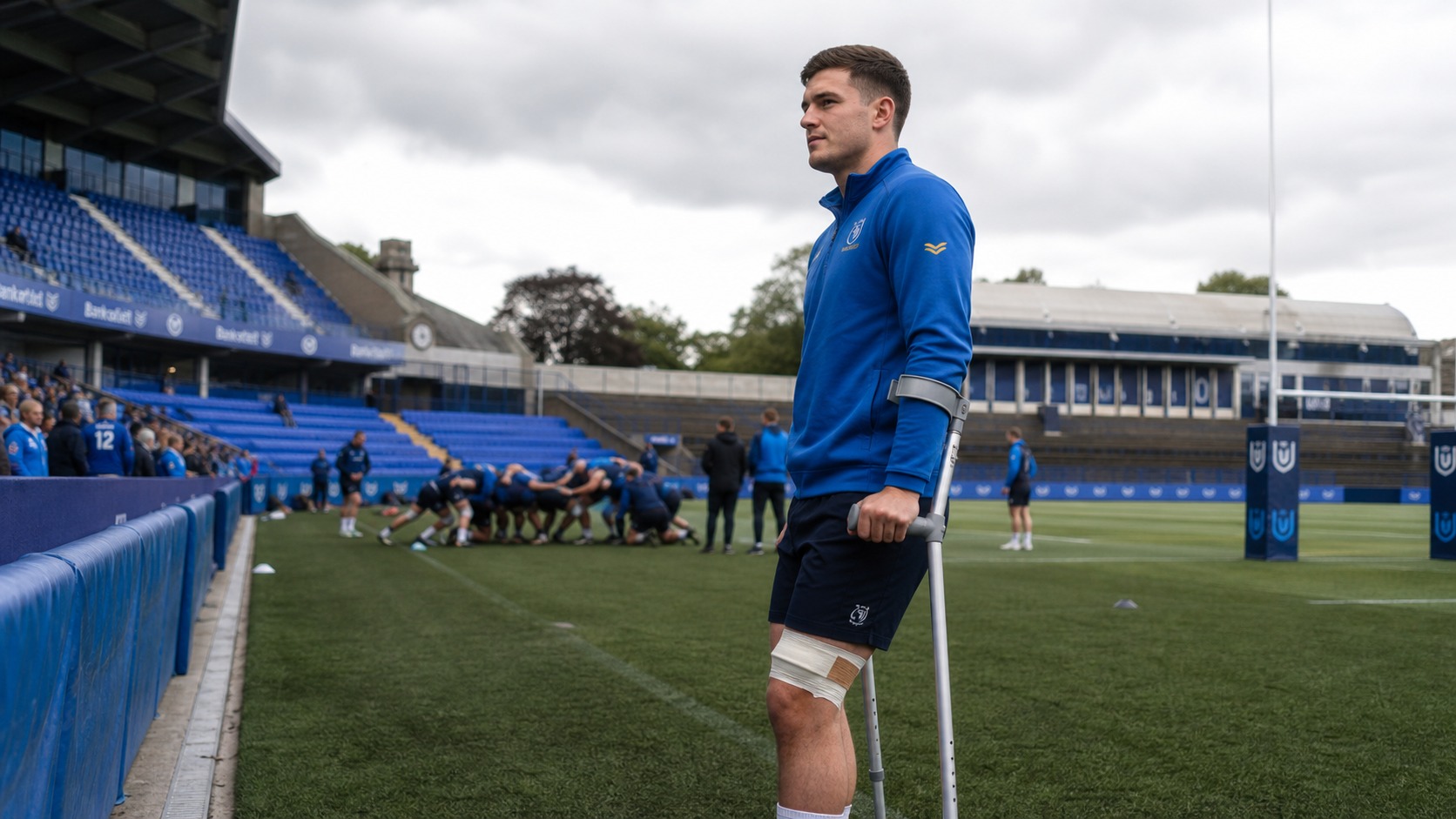
The absence of Nathan Collins, who captains the side from centre-back, is a significant blow to Ireland's defensive organisation. Collins has been one of the most consistent performers in the squad over the past two seasons, and his leadership on and off the pitch will be missed in what promises to be a physically demanding fixture in Pristina. Evan Ferguson's absence removes Ireland's most potent attacking threat, while Josh Cullen's injury deprives Hallgrímsson of one of his most reliable midfield options.
Carl Phillips has been called up to the squad following a double injury setback to other players, and Hallgrímsson has indicated that he will use the Kosovo fixture to assess several uncapped players who have been performing well at club level. The manager has cited "team spirit" as a key factor in managing the disruption caused by the injury crisis and the political controversy surrounding the Israel fixtures.
The Kosovo fixture is the first senior competitive meeting between the two nations. Former Kosovo manager Albert Bunjaki, speaking on the RTÉ Soccer Podcast, described Kosovo as a team on the rise and warned that Ireland should expect a physical and technically demanding contest at the Stadiumi Fadil Vokrri in Pristina.
Why It Matters
The Nations League campaign is Ireland's most important competitive engagement of the year, and the Kosovo fixture is a critical opening test. A defeat in Pristina would put immediate pressure on the campaign and make the subsequent fixtures — including the politically charged Israel match — even more consequential. Hallgrímsson's ability to manage the injury crisis and the political controversy simultaneously will be a significant test of his management skills and his relationship with the squad.
The broader context of the Israel controversy has made this Nations League campaign unlike any other in Irish football history. The decision to proceed with the fixtures has divided opinion in Ireland, and the pressure on the players and management to perform well — while also navigating the political minefield — is considerable. Hallgrímsson's comment that Ireland was "playing against genocide" has added a further layer of complexity to an already difficult situation.
Local Impact
In Ireland, the Nations League campaign has generated significant public interest, though the political controversy surrounding the Israel fixtures has overshadowed the purely sporting narrative. RTÉ's decision to broadcast the Israel fixture without pundits, studio coverage, or advertising has been widely discussed, and the broadcaster's approach to the Kosovo fixture will be watched closely. Supporters' clubs across Ireland have been divided on whether to travel to the neutral venues for the Israel fixture, with some groups announcing they will not attend.
What's Next
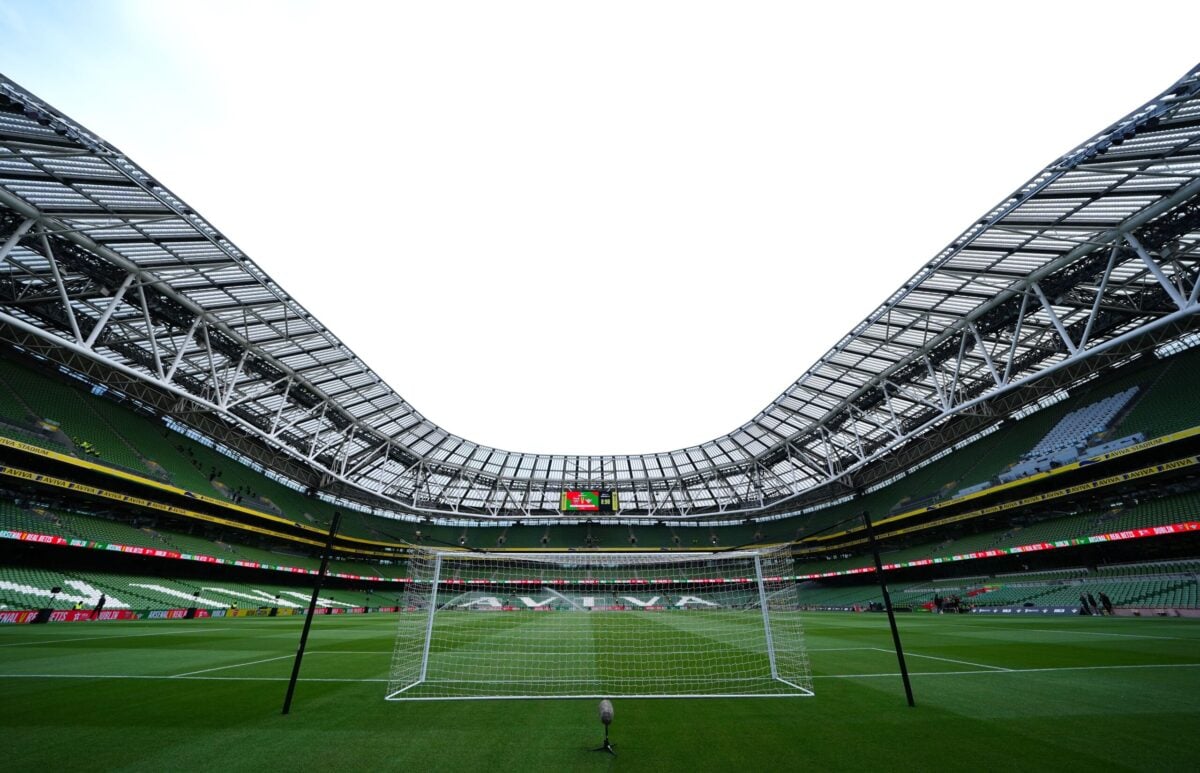
The Republic of Ireland face Kosovo in Pristina on Thursday, September 24. The Israel fixture follows on September 27 at a neutral venue in Backa Topola, Serbia. The return fixture against Kosovo is scheduled for November 17 at the Aviva Stadium in Dublin. Ireland's Nations League group also includes Austria, who are expected to be the strongest side in the group. The FAI has confirmed that all home fixtures will be played at the Aviva Stadium, with tickets available through the association's website.