Record €27.4 Billion Health Budget for 2026 to Fund 3,300 Extra Staff and 500 New Beds Amid Scepticism
The Irish health service is operating with a record budget of €27.4 billion in 2026, with provisions for the recruitment of approximately 3,300 additional staff and the creation of hundreds of new hospital and community beds — an investment that the Government has described as transformative but that healthcare unions and patient advocates argue falls significantly short of what is needed to address the structural deficits in a system that is struggling to cope with the demands of a growing and ageing population.
Background
Ireland's health service has been the subject of sustained criticism for decades, with persistent problems of overcrowding, long waiting lists, and inadequate community care creating a system that many patients and healthcare workers describe as dysfunctional. The Sláintecare strategy, adopted in 2017, set out a roadmap for reform, but progress has been slow and the fundamental challenges of the system — insufficient capacity, inadequate staffing, and a fragmented structure — have proved resistant to change.
The scale of the investment in the 2026 health budget reflects the Government's recognition that the health service requires significant additional resources. The €27.4 billion allocation represents a substantial increase on previous years and is the largest health budget in the history of the state. The budget includes provisions for capital investment in new facilities, for the recruitment of additional staff across a range of disciplines, and for the expansion of community healthcare services as part of the Sláintecare reform programme.
The context for this investment is one of significant and growing demand. Ireland's population has been growing rapidly, driven by natural increase and by immigration, and the proportion of the population aged over 65 — which places the greatest demands on the health service — is increasing steadily. The HSE has estimated that it needs to recruit tens of thousands of additional staff over the next decade simply to maintain current service levels, let alone to improve them.
Key Developments
The 2026 health budget includes provisions for the recruitment of approximately 3,300 additional staff across the health service, covering a range of disciplines including nursing, medicine, allied health professions, and support services. The budget also provides for the creation of between 220 and 265 new acute hospital beds and at least 280 new community beds, addressing the chronic shortage of inpatient capacity that has been a major driver of hospital overcrowding.
The capital investment programme includes funding for several major hospital development projects, including the new National Children's Hospital in Dublin, which is expected to open in the coming years, and a series of smaller projects at regional hospitals across the country. The community healthcare investment includes funding for new primary care centres, enhanced mental health services, and the expansion of home care and residential care capacity for older people.
Healthcare unions have welcomed the scale of the investment but have expressed significant scepticism about whether it will be sufficient to address the system's needs. The Irish Nurses and Midwives Organisation has pointed out that the 3,300 additional posts represent only a fraction of the estimated number of vacancies currently existing in the health service, and that the recruitment targets are unlikely to be met in full given the global shortage of healthcare workers and the challenges of attracting and retaining staff in Ireland's high-cost environment. The Irish Medical Organisation has made similar points, noting that the number of new consultant posts included in the budget is insufficient to address the shortage of specialist medical staff.
Why It Matters
The record health budget matters because it represents a significant commitment of public resources to the improvement of a service that is central to the wellbeing of every person in Ireland. The scale of the investment — €27.4 billion, or approximately €5,000 per person in the state — reflects the priority that the Government has placed on health in its spending plans. However, the scepticism of healthcare unions and patient advocates is well-founded: the history of Irish health spending is one of significant investment that has not always translated into commensurate improvements in patient outcomes or service quality.
The challenge of converting budget allocations into actual improvements in service is one of the most persistent problems in Irish health policy. The HSE has a track record of underspending its capital budget in any given year, due to delays in planning, procurement, and construction. The recruitment targets set in the budget are ambitious, and the global shortage of healthcare workers — particularly nurses, doctors, and allied health professionals — means that achieving them will require sustained effort and competitive remuneration packages. For context, Ireland has been losing significant numbers of trained healthcare workers to Australia, Canada, and the Middle East in recent years, a trend that the budget's investment in staffing will need to reverse.
Local Impact
The impact of the 2026 health budget will be felt differently in different parts of the country, depending on where the new staff and beds are deployed. The National Children's Hospital, when it opens, will transform paediatric care for families across Ireland, providing a world-class facility that will replace the current arrangement of three separate children's hospitals in Dublin. In regional centres including Cork, Galway, Limerick, and Waterford, the investment in new beds and staff is expected to reduce waiting times and improve access to specialist care. In rural areas, the expansion of primary care centres and community health services is intended to reduce the need for patients to travel long distances to access care, though the pace of this expansion has been slower than originally planned.
What's Next
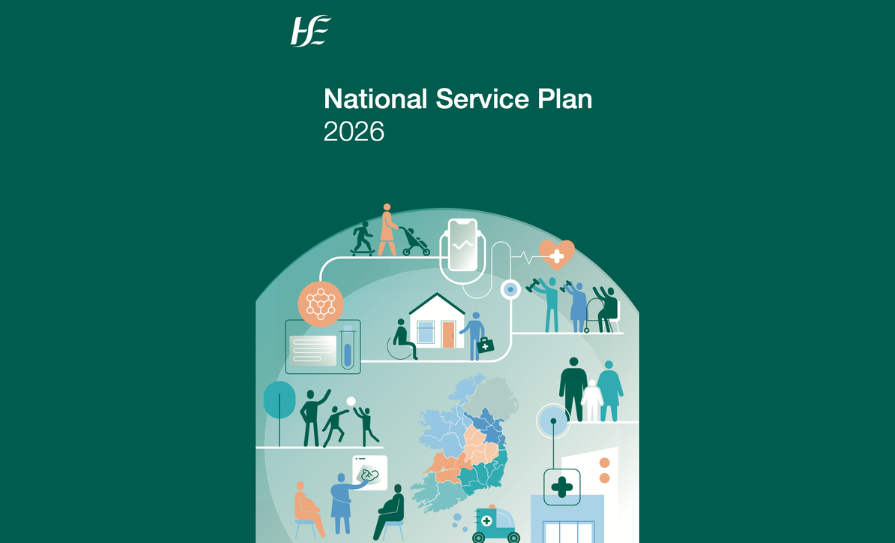
The HSE will publish its service plan for 2026 in the coming weeks, setting out in detail how the budget allocation will be spent and what service improvements are expected to be delivered. The Oireachtas Committee on Health will scrutinise the service plan and will hold hearings with HSE management and the Department of Health to assess the adequacy of the investment and the realism of the targets. Healthcare unions have indicated they will be monitoring the implementation of the staffing commitments closely and will be prepared to take industrial action if the recruitment targets are not met. The mid-year review of the health budget, expected in July, will provide an early indication of whether spending is on track and whether the recruitment targets are being achieved.