Fourteen Years to Wait
Imagine being told that you need mental health support — that you are struggling, that you are suffering, that you need professional help — and then being told that you will have to wait 709 weeks for that help to arrive. That is nearly 14 years. It is, by any measure, an unconscionable situation. And yet, according to new data published by the HSE this week, it is the reality facing some people in Ireland who are seeking access to specialist mental health services.
The 709-week figure — the longest waiting time recorded in the HSE's latest mental health waiting list data — relates to a specific adult mental health service in the west of Ireland. It is an extreme outlier, but it is not an isolated one. The data shows that more than 3,400 people across Ireland are waiting more than 52 weeks for a first appointment with a specialist mental health service, and that the average waiting time for adult mental health services nationally has increased by 23% in the past year.
The Scale of the Crisis
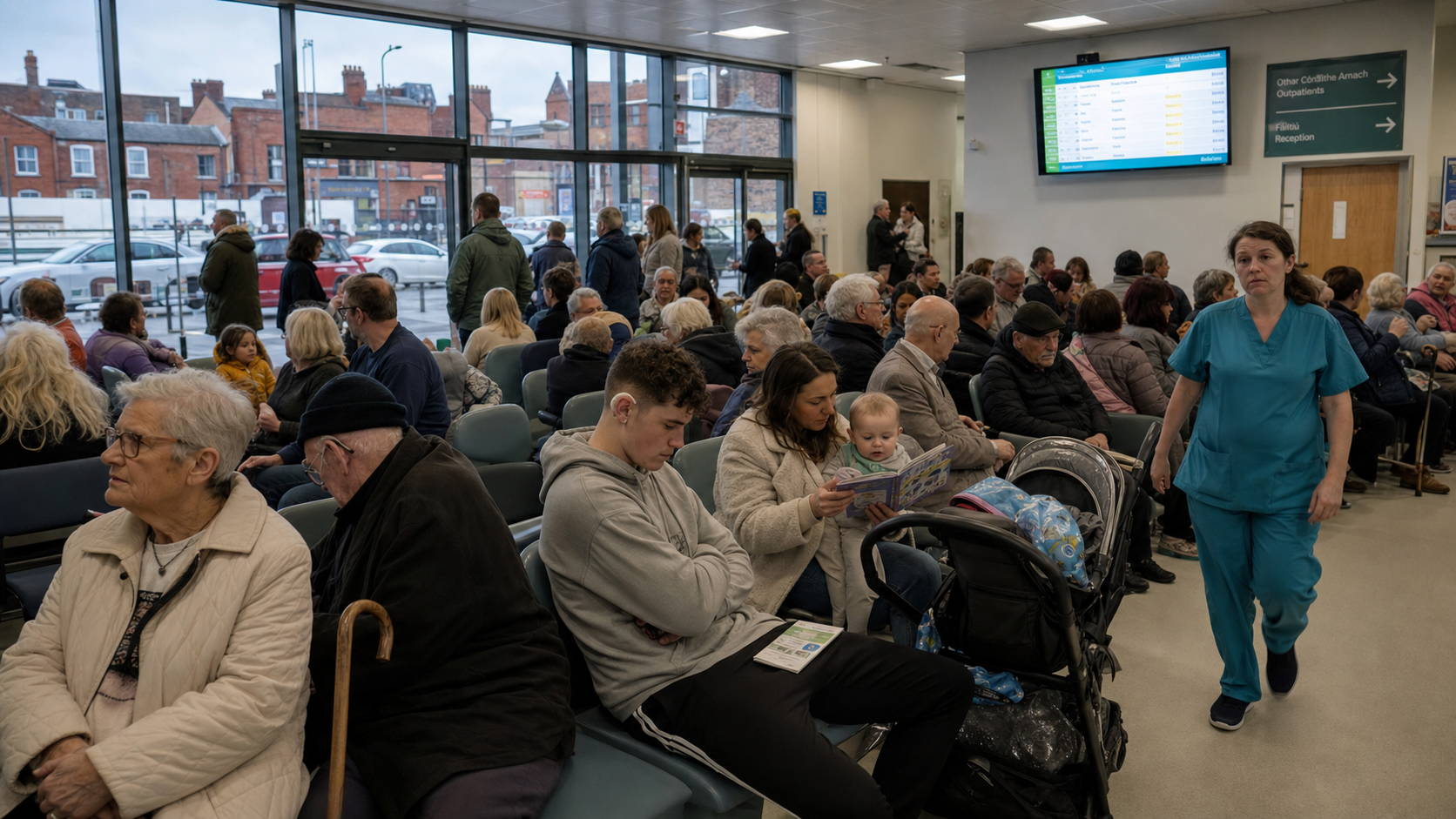
The HSE's mental health waiting list data paints a picture of a system under severe and growing strain. In total, more than 11,000 people are currently on waiting lists for adult mental health services, with a further 4,200 children and adolescents waiting for Child and Adolescent Mental Health Services (CAMHS). The figures represent the highest waiting list numbers ever recorded by the HSE.
The crisis is not evenly distributed. Some parts of the country — particularly in the west and north-west — have significantly longer waiting times than others, reflecting historical underinvestment in mental health infrastructure in these regions. In some Community Healthcare Organisation (CHO) areas, the average waiting time for a first CAMHS appointment exceeds 18 months.
Mental Health Reform, the national coalition of mental health organisations, described the figures as "a national emergency" and called for an immediate injection of €150 million into community mental health services. "These are not statistics — they are people," said CEO Fiona Coyle. "People who are suffering, whose families are suffering, who are being failed by a system that does not have the resources to meet their needs."
The Causes
The mental health waiting list crisis has multiple causes, but the most fundamental is a chronic and long-standing underinvestment in mental health services relative to the scale of need. Ireland spends approximately 6% of its total health budget on mental health — significantly below the European average of 10-12% — and this gap has never been fully closed despite repeated commitments by successive governments.
The COVID-19 pandemic significantly worsened the situation, both by increasing the prevalence of mental health difficulties in the population and by disrupting the delivery of services. The post-pandemic period has seen a surge in demand for mental health support that the system was not equipped to meet.
Staffing is also a critical issue. Ireland has a significant shortage of psychiatrists, psychologists, and mental health nurses, driven by a combination of training capacity constraints, competition from the private sector, and emigration of trained professionals to countries where working conditions and pay are better.
The Government's Response
Minister for Mental Health Mary Butler acknowledged the severity of the situation and announced a series of measures designed to reduce waiting times, including the recruitment of 200 additional mental health staff, the expansion of online and digital mental health services, and the development of a new waiting list action plan. She also announced that the government would increase the mental health budget by €35 million in the next budget.
Mental health advocates welcomed the announcements but said they were insufficient to address the scale of the crisis. "Thirty-five million euro sounds like a lot, but it's a fraction of what's needed," said Coyle. "We need a fundamental shift in how this country thinks about and funds mental health. Until that happens, the waiting lists will keep growing."
The Human Cost
Behind every number on a waiting list is a person — a person who is struggling, who has reached out for help, and who is being told to wait. For some of those people, the wait will be too long. Ireland's mental health crisis is not an abstract policy problem. It is a human tragedy, playing out in homes and communities across the country, every single day.