Breaking Down the Border in Healthcare
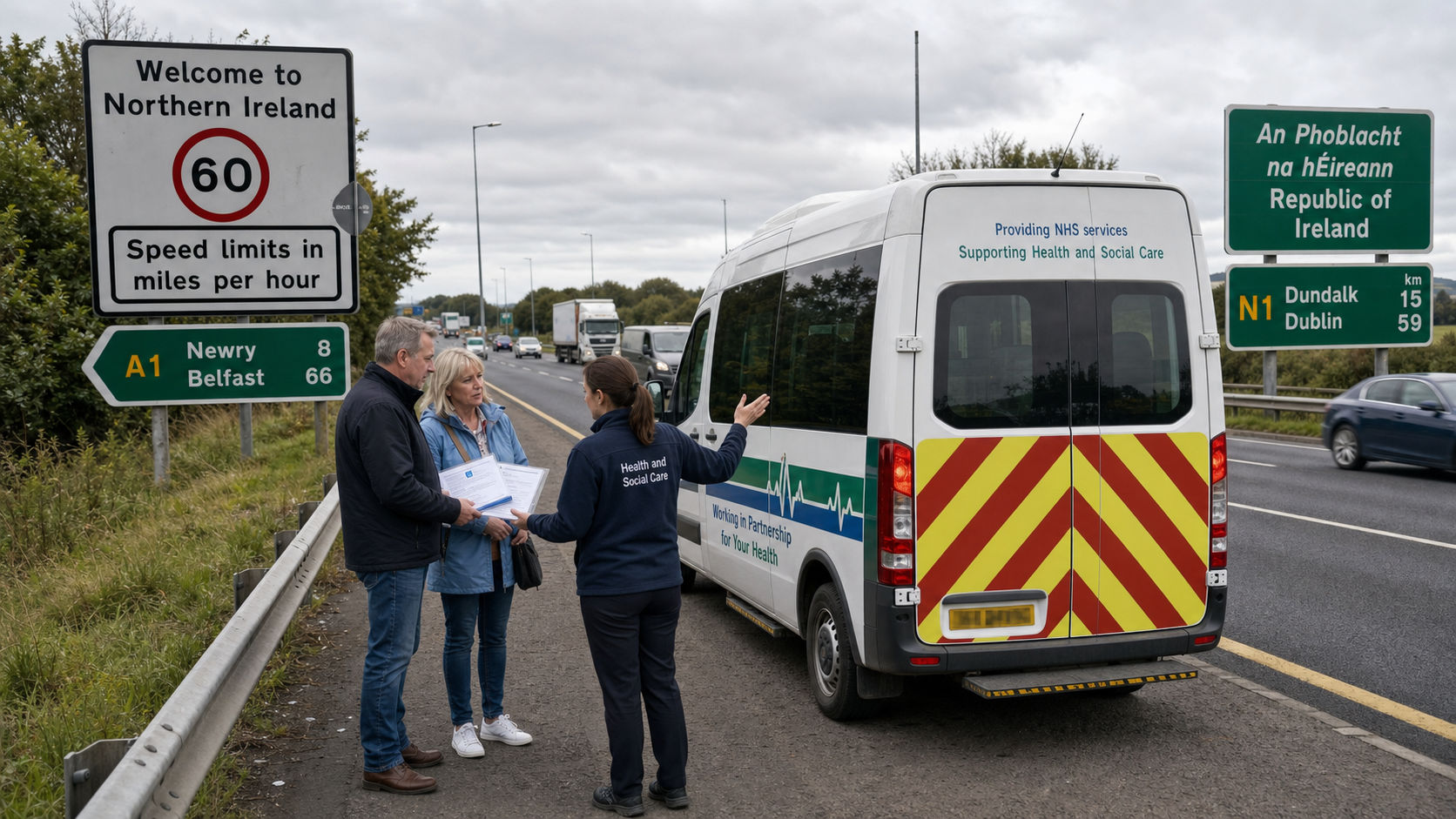
One of the most practical and least celebrated forms of North-South cooperation on the island of Ireland is the cross-border health reimbursement scheme, which allows patients in Northern Ireland to access healthcare in the Republic of Ireland and claim reimbursement for the cost. The scheme, which has been operating in various forms since the 1990s, has been significantly expanded this week, with the announcement that thousands more patients will now be eligible to use it and that the range of treatments covered has been substantially broadened.
The expansion, announced jointly by Health Minister Mike Nesbitt in Northern Ireland and Minister for Health Stephen Donnelly in the Republic, is the most significant development in cross-border health cooperation in a decade. It reflects a growing recognition by both governments that the border between Northern Ireland and the Republic is an artificial barrier to healthcare access that serves no one's interests — least of all patients who live in border communities and for whom the nearest specialist service may be on the other side of the political divide.
What the Expansion Covers
The expanded scheme will now cover a significantly wider range of treatments and procedures, including specialist outpatient consultations, diagnostic imaging, physiotherapy, occupational therapy, and a range of surgical procedures. Previously, the scheme was primarily focused on emergency and urgent care; the expansion into planned and elective care is a significant step forward.
The eligibility criteria have also been broadened. Previously, patients had to demonstrate that the treatment they needed was not available within a reasonable time in Northern Ireland. Under the expanded scheme, patients who have been waiting more than 12 weeks for a first outpatient appointment or more than 26 weeks for a procedure will automatically be eligible to seek treatment in the Republic and claim reimbursement.
The reimbursement rates have also been updated to reflect current costs, addressing a long-standing complaint from patients and healthcare providers that the previous rates were too low to make the scheme practically useful.
The Scale of Need
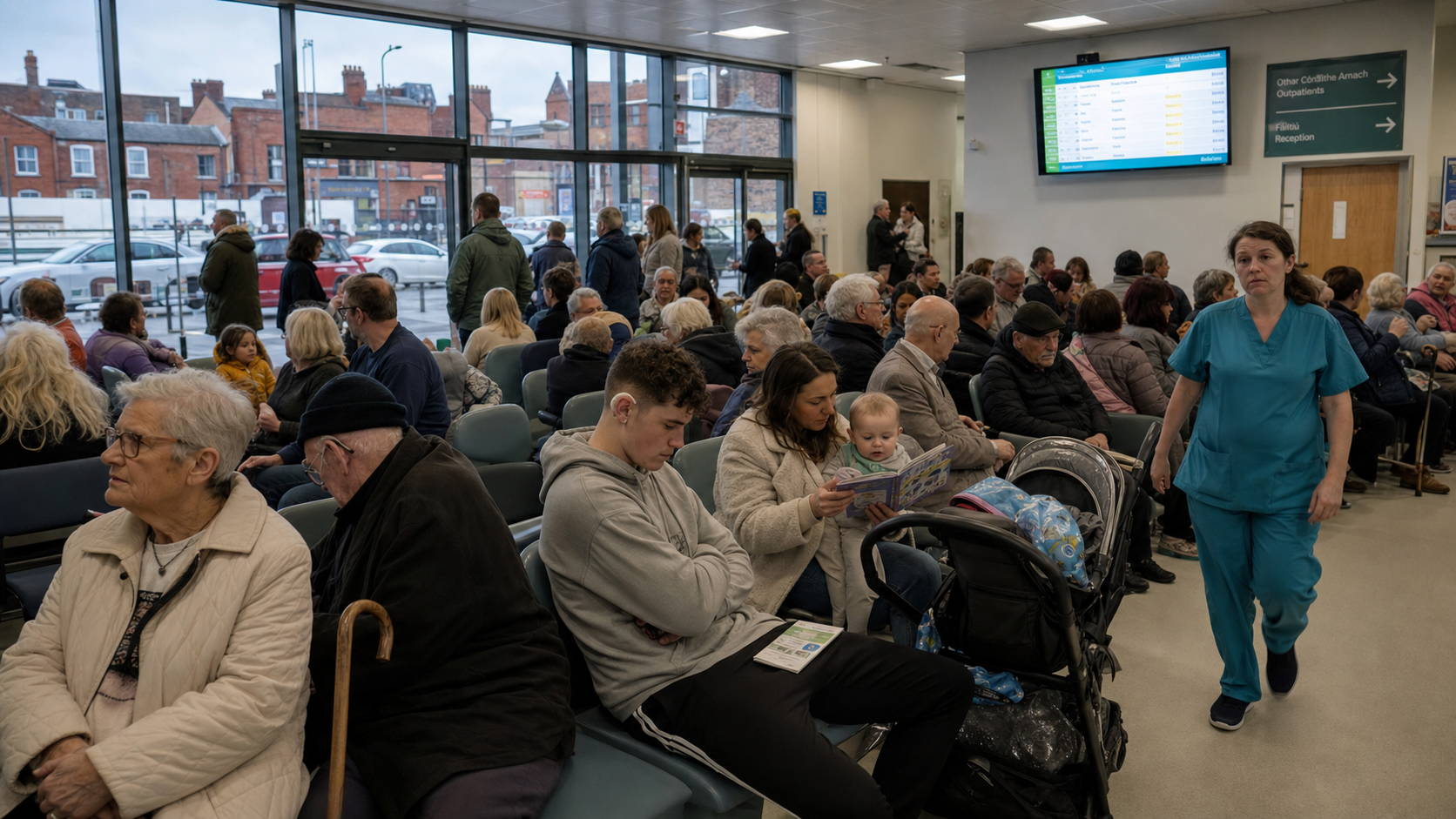
The expansion comes at a moment of acute need. Northern Ireland's health service has the longest waiting lists in the United Kingdom, with more than 400,000 people on waiting lists for outpatient appointments and more than 100,000 waiting for inpatient or day case procedures. The cross-border scheme cannot resolve this crisis on its own, but it can provide a meaningful safety valve for patients who have been waiting the longest.
HSE officials estimate that the expanded scheme could benefit up to 15,000 additional patients per year, reducing waiting times for some of the most common procedures by an average of six months. For patients who have been waiting years for treatment, that reduction could be life-changing.
Practical Challenges
The expansion of the scheme is not without practical challenges. Healthcare providers in the Republic will need to have capacity to take on additional patients from Northern Ireland, and there are concerns that the scheme could create pressure on services in border counties that are already stretched. The HSE has committed to monitoring capacity carefully and to working with healthcare providers to ensure that the scheme does not displace patients from the Republic who are also waiting for treatment.
There are also administrative challenges around the reimbursement process, which has historically been slow and bureaucratic. Both governments have committed to streamlining the process, with a target of processing reimbursement claims within 30 days of submission.
A Model for the Future
The expansion of the cross-border health reimbursement scheme is a small but significant step towards a more integrated approach to healthcare on the island of Ireland. It demonstrates that, when political will exists, the border can be made to matter less — and that patients on both sides of it can benefit from cooperation rather than division. It is a model worth building on.