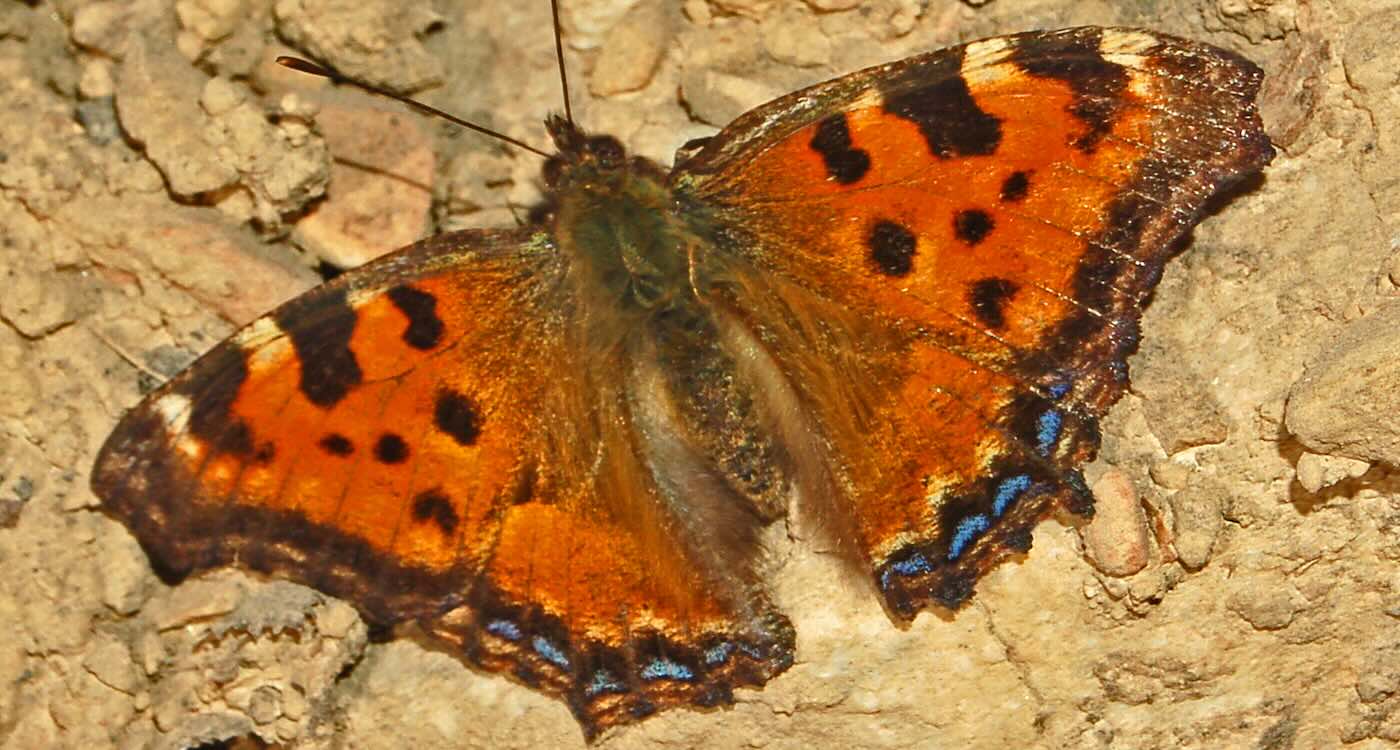
Rare Large Tortoiseshell Butterfly Confirmed as UK Resident Species Once More
The large tortoiseshell butterfly, previously thought to be extinct as a breeding species in Britain, has been confirmed as a resident species once again following a flurry of early spring sightings across southern England — in a heartwarming conservation success story that has delighted wildlife enthusiasts across the country.
The butterfly, which was eliminated from Britain largely due to Dutch elm disease in the 20th century, has been recorded breeding in multiple locations in Dorset and other southern counties, with experts from Butterfly Conservation confirming the sightings represent a genuine recolonisation rather than isolated vagrant individuals.
Key Developments
Multiple confirmed sightings of the large tortoiseshell have been recorded across southern England in recent weeks, with the warm spring weather providing ideal conditions for the species. Butterfly Conservation experts have confirmed that the sightings include breeding evidence, suggesting the species has established a foothold as a resident once more.
The large tortoiseshell is one of Britain's most striking butterflies, with a wingspan of up to 7cm and distinctive orange and brown markings. It was once widespread across England but disappeared as a breeding species following the devastation of elm trees by Dutch elm disease in the 1970s.
Background
The return of the large tortoiseshell is part of a broader pattern of positive conservation news in the UK. For the second consecutive year, the UK sourced most of its electricity from renewables in 2025, with renewables generating 52.5% of the country's electricity. Rewilding projects at sites like the Knepp Estate in West Sussex have also been transforming degraded farmland into biodiversity hotspots.
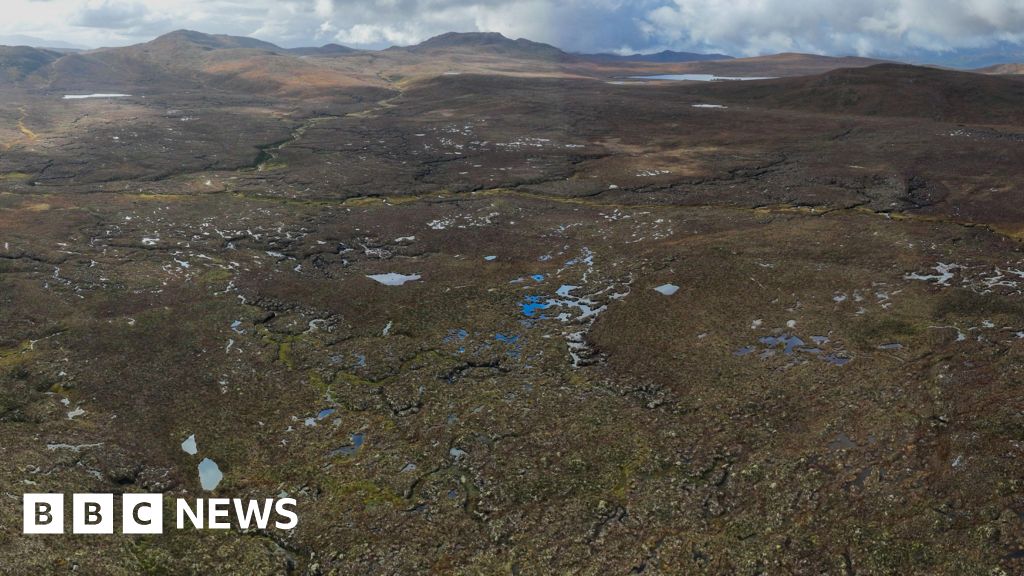
Near Loch Ness, a project is restoring over 1,000 hectares of blanket bog as part of Britain's largest rewilding initiative, while floating wetlands are being introduced in degraded coastal communities across the UK to boost biodiversity.
Why It Matters
The return of the large tortoiseshell is a symbol of hope for British wildlife conservation, demonstrating that species can recover when conditions improve. It also reflects the broader success of conservation efforts and habitat restoration projects across the UK.
What's Next
Butterfly Conservation is asking members of the public to report any sightings of the large tortoiseshell to help monitor the species' recovery. The organisation is also working to identify and protect key breeding sites to support the butterfly's continued recolonisation of Britain.
Full details available at Butterfly Conservation.