Over 1,000 Hectares of Rare Scottish Peatland Restored Near Loch Ness in Landmark Rewilding Project
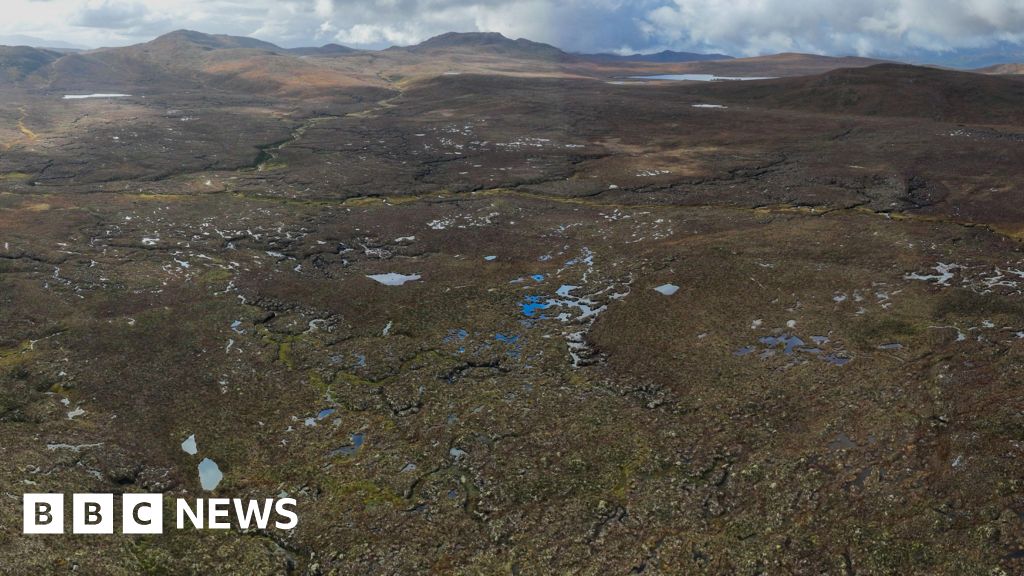
More than 1,000 hectares of globally rare blanket bog are being restored near Loch Ness in the Scottish Highlands as part of Britain's largest rewilding initiative, in a landmark project that brings together charities, landowners, and businesses to repair one of the world's most threatened ecosystems.
The project, announced on 15 April 2026 as part of the Affric Highlands rewilding landscape, spans three landholdings across Glenmoriston and the surrounding area, and represents one of the first and largest peatland restoration efforts of its kind in Scotland.
Background
Scotland contains 13% of the world's blanket bog, but approximately 80% of the country's peatlands are degraded due to drainage, fuel extraction, overgrazing, and wildfires. Healthy peatlands are among the most efficient carbon sinks on Earth, playing a crucial role in storing carbon, regulating water movement, reducing flood and wildfire risks, and supporting unique biodiversity.
The Affric Highlands initiative brings together a broad coalition of landowners, local communities, charities, and businesses to restore nature across more than 200,000 hectares of the central Highlands, establishing a linked network of landholdings from Loch Ness to Kintail.
Key Developments
The 1,024-hectare restoration project spans Trees for Life's Dundreggan estate in Glenmoriston (464 hectares), Corrimony Farm (315 hectares), and Hilton Guisachan (245 hectares). Restoration techniques include reprofiling eroded peat hags, drain blocking and dam construction to raise the water table, and the reintroduction of sphagnum moss — which can hold up to 20 times its weight in water — through transplants.
A notable innovation is the involvement of The Peatland Restoration Foundation, led by food and drink companies including Suntory Global Spirits and Bruichladdich, which co-funds restoration at Corrimony Farm as part of a commitment to restore more peat than they commercially consume. The project will benefit rare species including the white-faced darter, azure hawker, and northern emerald dragonflies.
Why It Matters
Peatland restoration is one of the most cost-effective nature-based solutions to climate change available in the UK. Degraded peatlands release carbon dioxide, exacerbating global warming, while restored bogs actively sequester carbon and provide a range of ecosystem services that benefit communities and wildlife alike.
What's Next
Monitoring for the IUCN's Peatland Code will be carried out to ensure lasting biodiversity and climate benefits, with independent verification to ensure transparency. The project is expected to serve as a model for similar restoration efforts across Scotland and the wider UK. Sources: BBC News, STV News