Rás na mBan Gears Up for Historic 20th Anniversary with Ambitious New Route and Record International Field
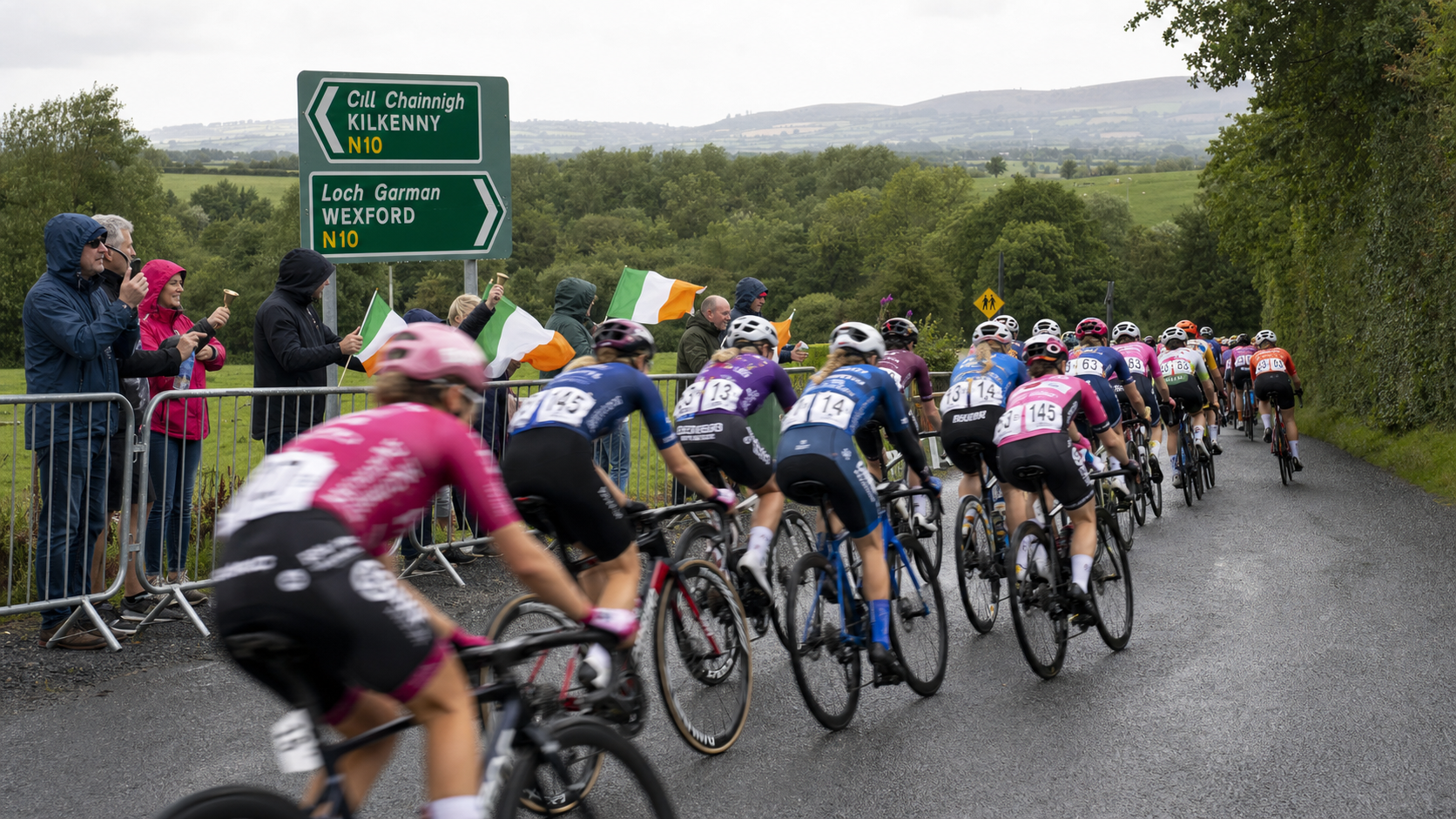
Ireland's premier international women's cycling stage race, Rás na mBan, is preparing for its landmark 20th anniversary edition, which takes place from September 2 to 6 with a completely overhauled six-stage route featuring three entirely new stages and two new host locations across Kilkenny, Wexford, Tipperary, and Carlow — a programme that organisers believe will attract the strongest and most competitive international field in the race's two-decade history.
Background
Rás na mBan was established in 2007 as Ireland's answer to the growing international women's cycling circuit, providing a high-quality stage race that could attract top international teams while also developing Irish talent. The race has grown steadily in prestige and profile over the past two decades, and is now recognised as one of the most important women's stage races in the European cycling calendar outside the UCI Women's WorldTour.
The 2026 edition marks three significant anniversaries simultaneously: the 20th running of Rás na mBan itself; the 10th anniversary of the race being based in Kilkenny, which has become synonymous with the event and which provides an extraordinary backdrop for the racing; and the 40th anniversary of the John Hearn Memorial Stage Race, the historical precursor to the modern event that laid the foundations for women's stage racing in Ireland.
The race has been a significant platform for Irish women's cycling, providing domestic riders with the opportunity to compete against the world's best in their home country and to measure their progress against international benchmarks. Several Irish riders who have competed in Rás na mBan have gone on to professional careers on the international circuit, and the race's role in developing Irish talent is one of its most important contributions to the sport.
Key Developments
The 2026 route represents the most ambitious overhaul in the race's history. Three of the six stages are entirely new, and two new host locations — Gorey in County Wexford and Carrick-on-Suir in County Tipperary — have been added to the programme alongside the established Kilkenny base. The route covers more than 400 kilometres of racing over five days.
Stage one departs from Kilkenny on September 2, covering 98 kilometres through Freshford and Urlingford with three Queen of the Mountains opportunities. Stage two is centred in Gorey, covering 97 kilometres with climbs at Annacurra and Sliabh Buí. Stage three returns to Carrick-on-Suir for a 102.5-kilometre stage featuring the challenging climbs at Tickincor and Seskin. Stage four is a new stage in County Carlow, covering 88.5 kilometres with a double ascent of the steep Corrabut Gap on Mount Leinster, culminating in a hilltop finish that is expected to be one of the decisive moments of the race. The final day in Kilkenny features a 2.5-kilometre time trial at Kilkenny Castle followed by a high-speed circuit race around the castle grounds.
The race continues to receive support from Sport Ireland, Kilkenny County Council, and a range of commercial sponsors, reflecting the growing recognition of women's cycling as a commercially viable and publicly popular sport.
Why It Matters
Rás na mBan matters for Irish cycling in a way that goes beyond the results on the road. It is a statement of ambition — a demonstration that Ireland can host a world-class women's cycling event that attracts the best riders in the sport and provides a platform for Irish talent to compete at the highest level. The growth of women's cycling globally over the past decade has been remarkable, driven by increased media coverage, improved prize money, and the expansion of the UCI Women's WorldTour. Rás na mBan has been part of that story, and its 20th anniversary edition is an opportunity to celebrate how far the sport has come and to look ahead to what the next twenty years might bring. The race also has significant economic benefits for the host communities, with thousands of visitors attending the stages and spending in local businesses.
Local Impact
In Kilkenny, which has been the race's home for a decade, Rás na mBan has become a fixture of the sporting and cultural calendar. The castle circuit on the final day is one of the most spectacular settings in Irish cycling, and the crowds it attracts have grown year on year. Local businesses, hotels, and restaurants benefit significantly from the influx of teams, officials, media, and spectators, and the race has become an important part of Kilkenny's identity as a city that takes sport seriously. The new stages in Wexford, Tipperary, and Carlow will bring similar benefits to those communities, and the organisers have worked closely with local authorities in each area to maximise the economic and promotional impact of the race.
What's Next
Rás na mBan 2026 takes place from September 2 to 6. Team entries are expected to be confirmed in the coming weeks, with organisers anticipating a record number of international teams. The Bobby Crilly Classic in County Antrim tomorrow provides the final major domestic road race before the summer break, and several Irish riders competing in that event are expected to be in contention for places in the Rás na mBan field. Cycling Ireland has indicated that the 20th anniversary edition will be accompanied by a programme of events celebrating the race's history and its contribution to women's cycling in Ireland.