PwC Forecasts Steadier Irish Economic Growth at 2.7% as Global Risks and Inflation Bite
A new economic forecast from PwC Ireland, published on July 14, projects that the Irish economy is transitioning to a steadier and more sustainable growth trajectory, with Modified Domestic Demand — the measure that best captures the performance of the domestic economy — expected to grow by 2.7% in 2026. The report paints a nuanced picture of an economy that remains fundamentally strong but is navigating a more challenging global environment, with inflation, geopolitical instability, and structural shifts in the technology sector all creating headwinds for growth.
Background
Ireland's economic performance over the past decade has been characterised by periods of exceptional growth, driven primarily by the activities of the large multinational sector that has made the country its European base. However, the headline GDP figures that capture this growth have become increasingly unreliable as a measure of the actual performance of the domestic economy, distorted by the intellectual property transactions, aircraft leasing activities, and other multinational-related flows that pass through Ireland's national accounts.
Modified Domestic Demand, which strips out these distorting effects, has become the preferred measure of the domestic economy's performance among economists and policymakers. It captures the spending of Irish households and businesses, government expenditure, and investment in physical capital, providing a more accurate picture of how the economy is performing for the people who live and work in Ireland.
PwC Ireland's annual economic forecast is one of the most closely watched assessments of the Irish economic outlook, drawing on the firm's extensive engagement with businesses across all sectors of the economy. The 2026 forecast, published on July 14, provides a comprehensive assessment of the forces shaping the Irish economy and the prospects for growth in the coming years.
Key Developments
The PwC report forecasts MDD growth of 2.7% in 2026, slowing slightly to 2.5% in both 2027 and 2028. This represents a moderation from the stronger growth rates of recent years, reflecting the impact of global headwinds on the domestic economy. Headline GDP, by contrast, is forecast to decline by 2.5% for the year, a figure that reflects the distorting effects of multinational sector activities rather than any weakness in the underlying domestic economy.
Inflation is expected to average 3.1% in 2026, driven primarily by energy and food costs that have been elevated by geopolitical instability in the Middle East. The report notes that this volatility has had a direct impact on Irish households, with home heating oil bills rising by approximately €23 per month — a significant additional cost for families already managing tight budgets.
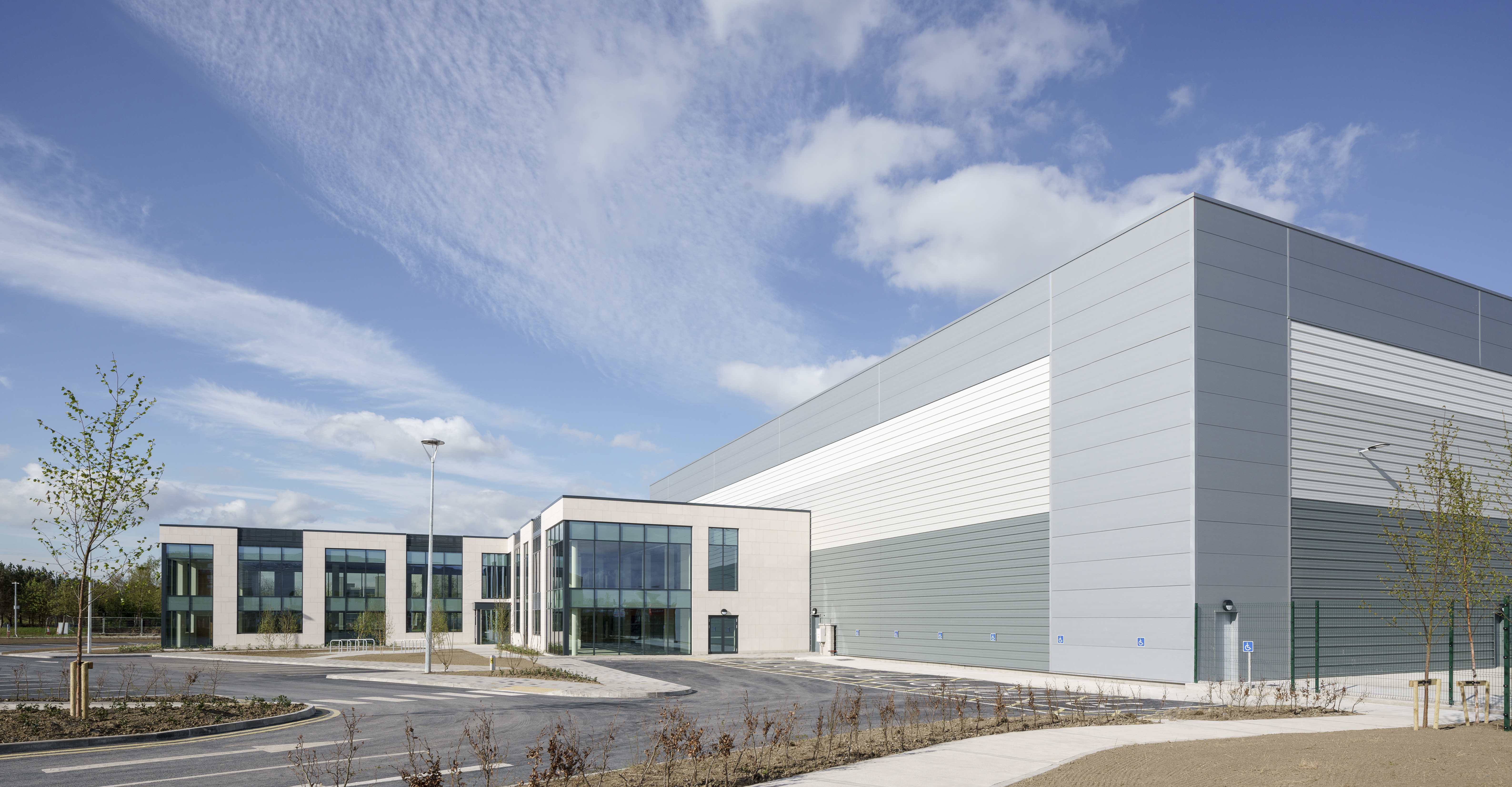
The report also highlights a significant structural shift in the technology sector, which has been one of the primary drivers of Irish economic growth in recent years. The IT sector is showing signs of faltering employment due to global restructuring, a trend that reflects the broader shift in enterprise technology spending. Despite this, investment in data centres and related infrastructure remains a major component of capital spending in Ireland, underscoring the economy's continued deep integration with the global technology industry.
Why It Matters
The PwC forecast matters because it provides one of the most authoritative assessments of the Irish economic outlook available, drawing on extensive data and analysis from across the economy. The forecast's projection of steadier but sustained growth is broadly reassuring, suggesting that the Irish economy is navigating the current global challenges without a significant deterioration in its fundamental performance.
The inflation picture is particularly important for Irish households, which have been managing the impact of elevated prices for several years. The PwC forecast suggests that inflation will remain above the European Central Bank's 2% target in 2026, meaning that the cost-of-living pressures that have been a major source of public concern will continue to be felt, even if they are somewhat less acute than in the peak inflation period of 2022-23.
The structural shift in the technology sector is also significant, given the extent to which Ireland's economy has become dependent on the activities of large technology companies. The faltering of IT employment growth is a reminder that the technology sector's contribution to the Irish economy is not guaranteed to continue at the same pace, and that diversification of the economic base remains an important policy priority.
Local Impact
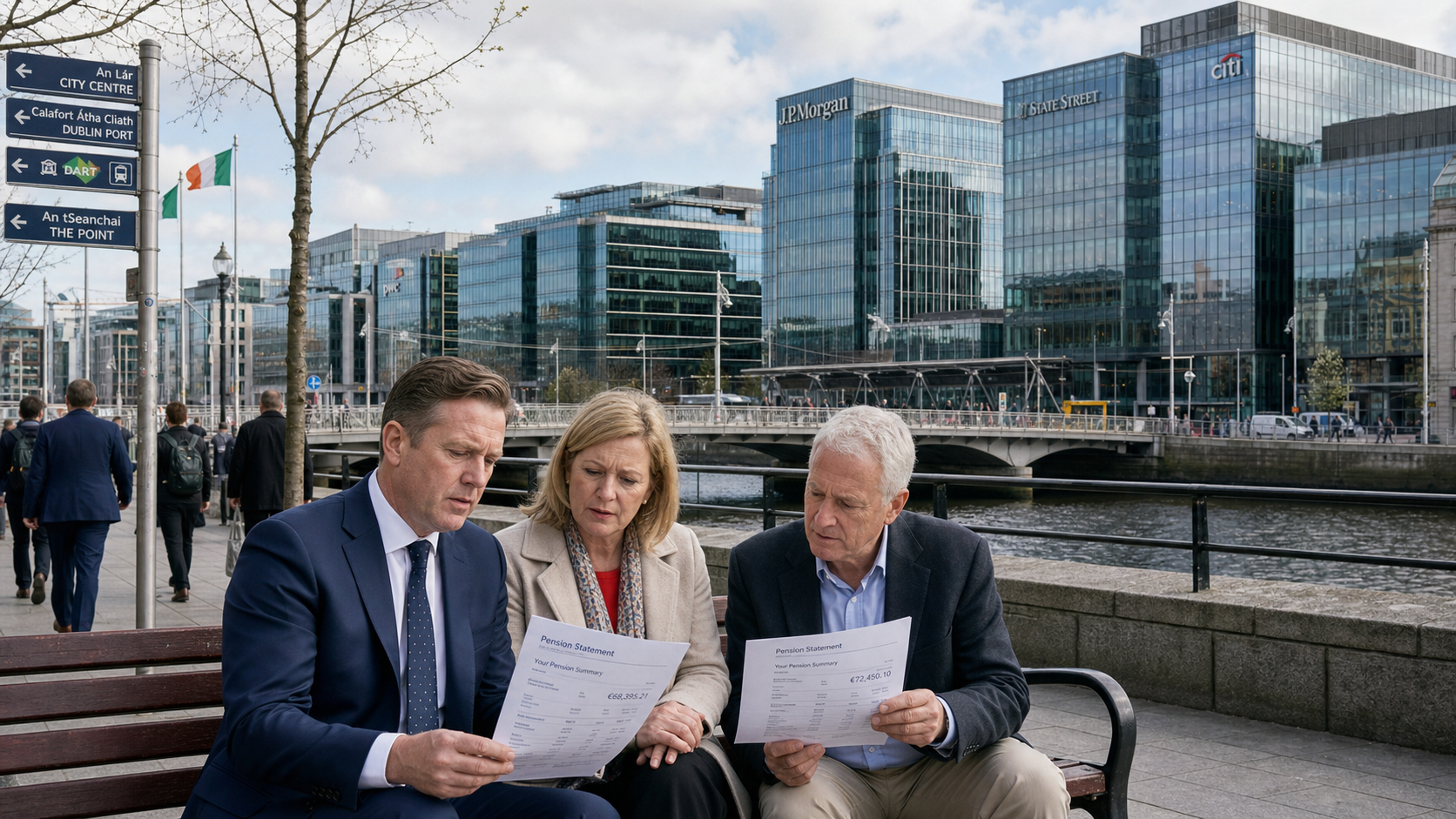
In Dublin, where the technology sector is most concentrated, the moderation in IT employment growth is being felt in the commercial property market and in the labour market for technology workers. The city's tech hub, centred on the Silicon Docks area of the south inner city, has seen a reduction in the pace of expansion that characterised the sector in previous years, with some companies reducing headcount and others pausing hiring.
Across Ireland, the inflation picture is having a differential impact on households depending on their income levels and spending patterns. Lower-income households, which spend a higher proportion of their income on energy and food, have been disproportionately affected by the price increases in these categories. The government's cost-of-living support measures have provided some relief, but the underlying inflationary pressures remain significant.
In Northern Ireland, the economic picture is somewhat different, with the region facing its own specific challenges related to the Windsor Framework, weak business confidence, and the ongoing funding crisis in public services. The PwC forecast for the Republic provides a useful point of comparison for the Northern Ireland economy, highlighting the divergence in economic performance between the two jurisdictions.
What's Next
The Department of Finance's own economic forecasts, which are published alongside the annual budget, will provide the government's official assessment of the economic outlook later in the year. The PwC forecast provides an important independent perspective that will inform the budget discussions and the government's fiscal planning.
The European Central Bank's monetary policy decisions will continue to be a key factor shaping the Irish economic outlook, with interest rate movements affecting the cost of borrowing for households and businesses. The ECB's approach to managing inflation while supporting growth will be closely watched by Irish economists and policymakers in the coming months.
The government's budget surplus of €9.2 billion for 2026, bolstered by strong corporation tax receipts, provides significant fiscal headroom for investment in public services and infrastructure. The allocation of this surplus — between current spending, capital investment, and savings in the National Reserve Fund — will be one of the central debates of the autumn budget process.