Irish Commercial Property Investment Surges 70% in First Half of 2026 with €1.5 Billion in Deals
The Irish commercial property market has demonstrated a robust and broad-based recovery in the first half of 2026, with investment deals in the second quarter surpassing €1 billion — the strongest quarterly performance in four years. Total investment volume for the first six months of the year reached approximately €1.5 billion, representing a 70% increase compared to the same period in 2025 and signalling a significant return of investor confidence to a market that had been subdued by rising interest rates and economic uncertainty.
Background
The Irish commercial property market experienced a significant correction in 2023 and 2024, as rising interest rates increased the cost of debt financing and reduced the attractiveness of property as an investment relative to other asset classes. Investment volumes fell sharply from the peaks of the post-pandemic recovery, and a number of high-profile transactions that had been in the pipeline were delayed or cancelled as buyers and sellers struggled to agree on pricing in a rapidly changing interest rate environment.
The correction was most pronounced in the office sector, where the shift to hybrid working patterns had reduced demand for office space and created uncertainty about the long-term value of office assets. However, the industrial and logistics sector, which had been a major beneficiary of the growth in e-commerce and supply chain restructuring, remained relatively resilient, with strong occupier demand supporting values even as the broader market softened.
The recovery in investment volumes in the first half of 2026 reflects a combination of factors: the stabilisation of interest rates following the European Central Bank's rate-cutting cycle, the return of international investors who had been sitting on the sidelines during the period of uncertainty, and the continued strength of occupier demand in key sectors such as industrial, logistics, and prime office space.
Key Developments
The Irish Independent reported on July 14 that investment deals in the second quarter of 2026 had exceeded €1 billion, pushing the total for the first half of the year to approximately €1.5 billion. This represents a 70% increase compared to the same period in 2025, a recovery that has exceeded the expectations of many market participants.
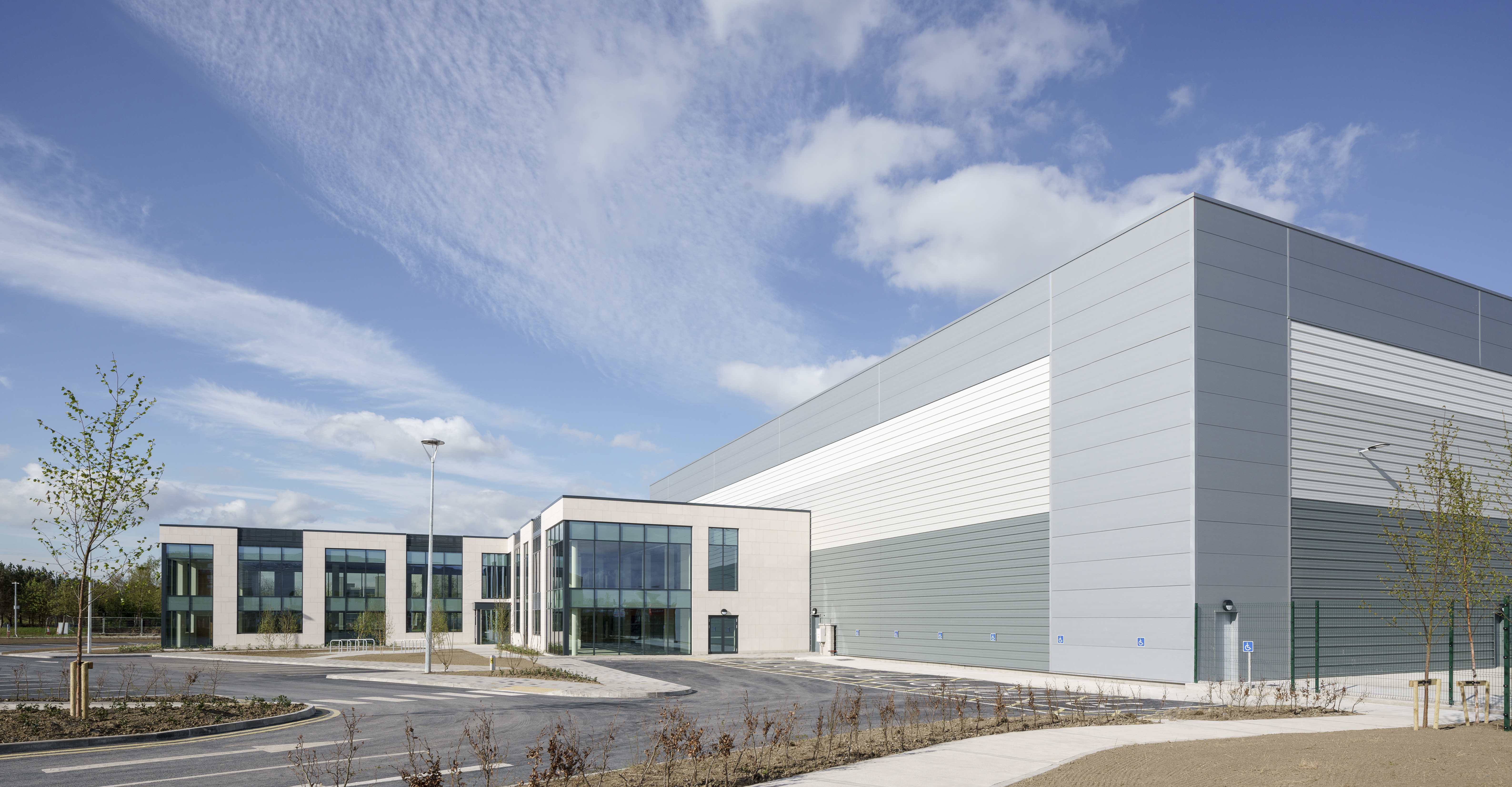
The standout transaction of the period was the sale of the Horizon Logistics Park in north Dublin to GIC, the Singapore-based sovereign wealth fund, for a sum in the region of €500 million. This transaction, one of the largest single property deals in Irish history, reflects the strong international appetite for high-quality logistics assets in Ireland, which benefits from its position as a gateway to the European market and its well-developed transport infrastructure.
Confidence in the prime office sector has also returned, evidenced by the sale of One Molesworth Street in Dublin's central business district to German investment manager MEAG for €110 million. This transaction, involving one of Dublin's most prestigious office addresses, signals that international investors are once again willing to commit capital to the Irish office market at the right price and quality level.
Why It Matters
The recovery in commercial property investment matters because it is an important indicator of broader economic confidence and the attractiveness of Ireland as a destination for international capital. Commercial property investment is a leading indicator of economic activity — investors commit capital to property when they are confident about the future performance of the economy and the businesses that will occupy the buildings they are buying.
The 70% increase in investment volumes compared to the first half of 2025 is a significant signal that the period of uncertainty and correction that characterised the market in 2023 and 2024 is over, and that Ireland is once again attracting the international capital flows that have been a feature of its property market in periods of economic strength.
The composition of the investment activity is also significant. The dominance of the industrial and logistics sector reflects the structural changes in the economy driven by e-commerce and supply chain restructuring, while the return of confidence to the prime office sector suggests that the market has found a new equilibrium that reflects the realities of hybrid working without abandoning the office as a core component of the commercial property landscape.
Local Impact
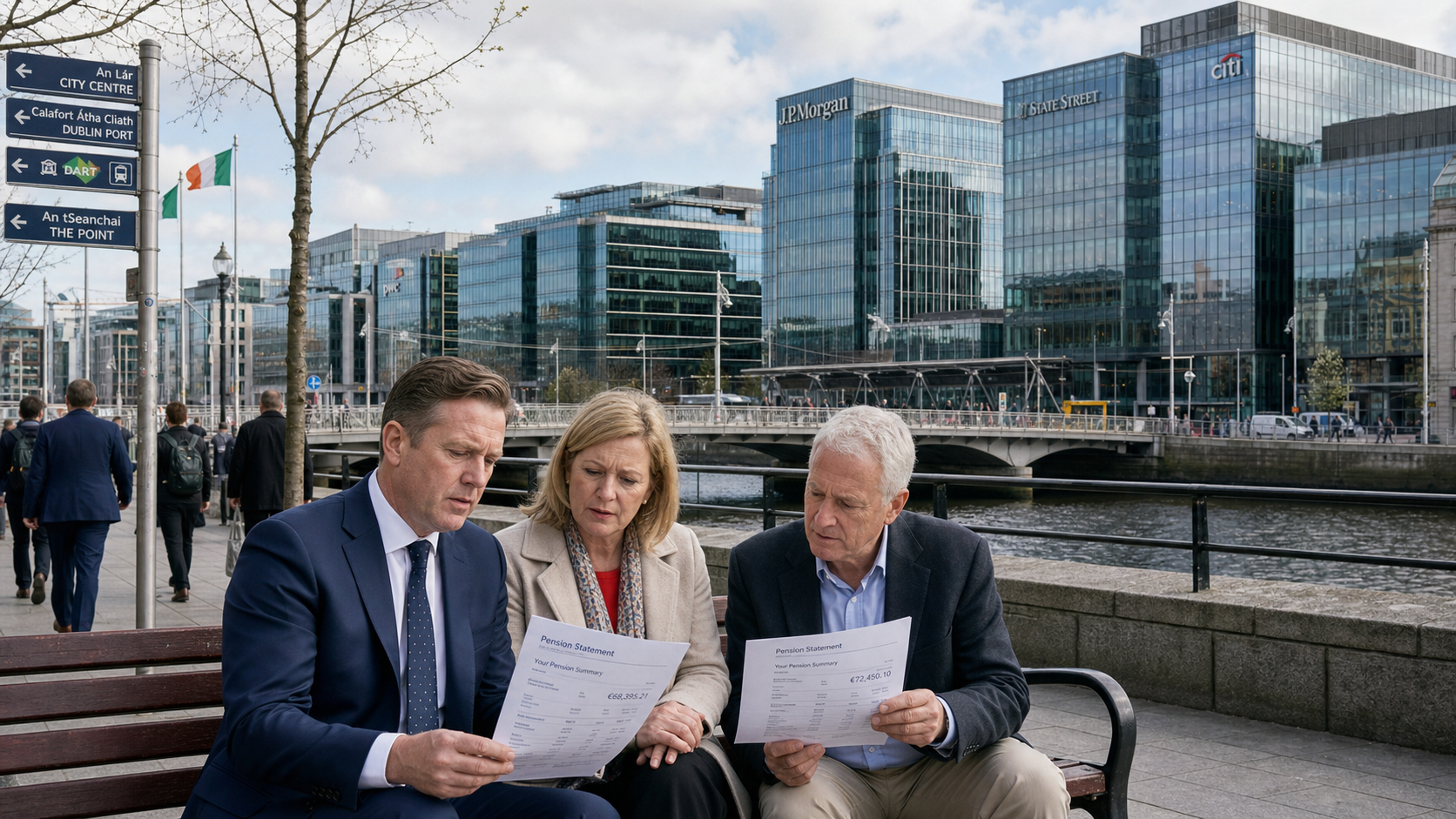
In Dublin, the recovery in commercial property investment is visible in the activity around the city's key commercial districts. The Docklands, the central business district, and the north Dublin logistics corridor have all seen significant transaction activity in the first half of 2026, and the pipeline of deals in the second half of the year is reported to be strong.
The development land market has also been active, with the first quarter of 2026 recording €197.7 million in transactions — the strongest first-quarter performance since 2019. This activity includes Dublin City Council's €90 million acquisition of the Camden Yard site, which is intended for a combination of civic and housing uses, and reflects the continued appetite for development land in a market where housing supply remains a critical issue.
Outside Dublin, the commercial property market has been more subdued, reflecting the concentration of international investment activity in the capital. However, there are signs of recovery in Cork, Galway, and Limerick, where occupier demand in the office and industrial sectors has been supporting values and attracting some investment activity.
What's Next
The pipeline of commercial property investment deals for the second half of 2026 is reported to be strong, with a number of significant transactions in various stages of negotiation. The continued stabilisation of interest rates and the return of international investor confidence are expected to support continued recovery in investment volumes through the remainder of the year.
The KPMG Irish Independent Property Industry Excellence Awards, which opened for entries in late June, will provide an opportunity to celebrate the achievements of the property sector in 2026 and to recognise the individuals and organisations that have contributed to the market's recovery. The awards ceremony, scheduled for later in the year, is expected to attract significant interest from across the property industry.
The government's housing policy, including the Land Development Agency's role in delivering affordable housing on state-owned land, will continue to be a significant factor shaping the development land market. The interaction between commercial property investment and housing delivery will be one of the key themes of the property market in the second half of 2026 and beyond.