PSNI Launches Formal Review After Nurses Allegedly Told to Show ID to Masked Rioters Near Mater Hospital
Northern Ireland's police service is facing one of the most serious questions about its operational conduct in years after reports emerged that nurses attempting to reach the Mater Hospital in north Belfast during last week's riots were allegedly advised by officers to show identification to masked men at rioter-controlled checkpoints — claims that First Minister Michelle O'Neill has described as "vile and disgusting" and which have prompted a formal PSNI review.
Background
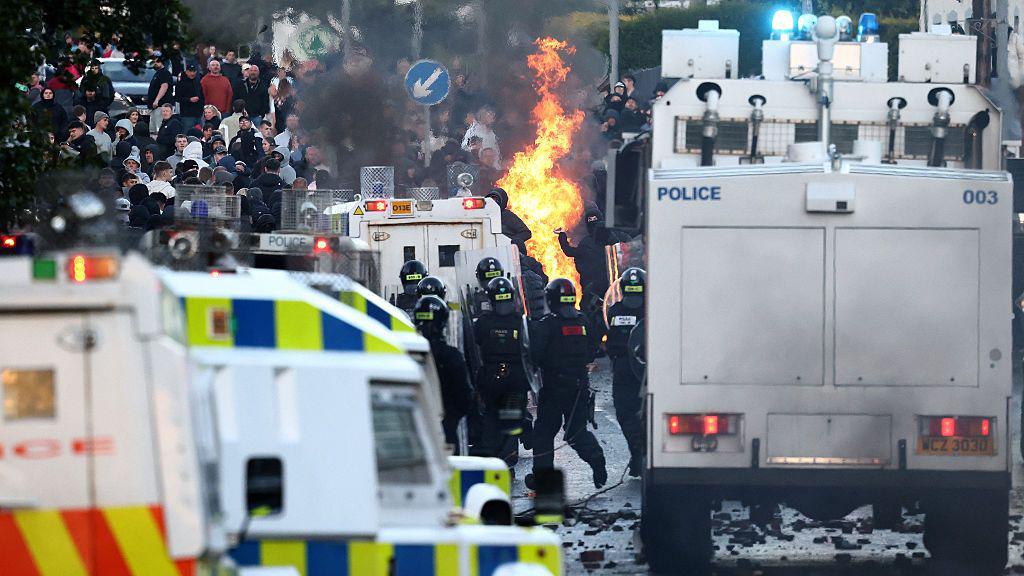
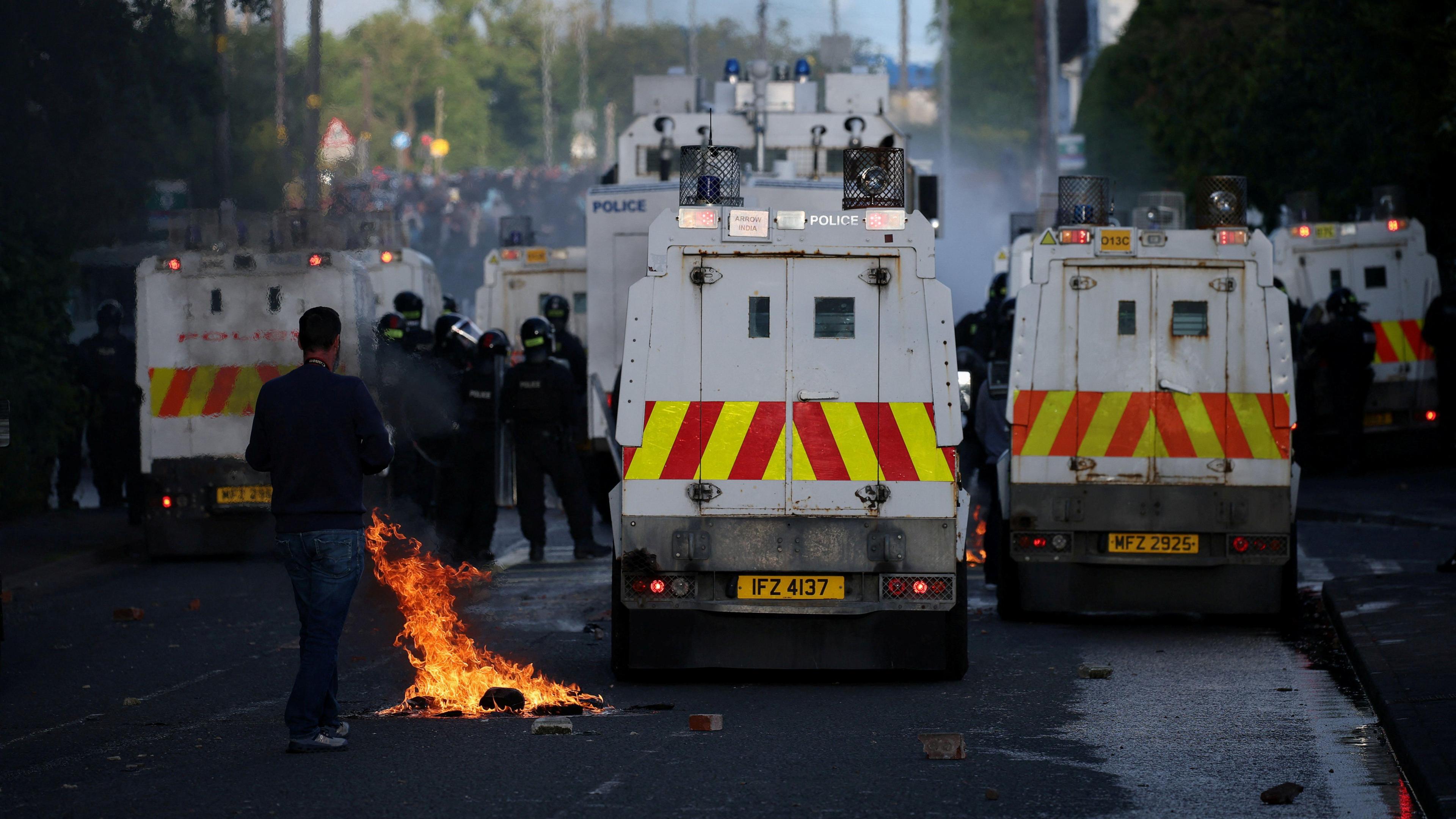
The riots that swept across Northern Ireland between 9 and 11 June 2026 were triggered by a knife attack in north Belfast on 8 June, in which local man Stephen Ogilvie was seriously injured. The suspect, a Sudanese national, was arrested and charged within hours. What followed was three nights of disorder across multiple towns and cities, including Belfast, Ballymena, Antrim, and Newtownabbey, during which homes were burned, businesses were attacked, and 27 people were left homeless. The PSNI declared a critical incident as it struggled to contain the violence, deploying officers from across the province and requesting mutual aid from the Police Service of Scotland.
The disorder was widely condemned by political leaders across the spectrum, from First Minister Michelle O'Neill and Deputy First Minister Emma Little-Pengelly to UK Prime Minister Keir Starmer, who described the violence as "abhorrent" and "sickening." As of 17 June, 35 people had been arrested and 23 charged in connection with the riots. Stephen Ogilvie, the original victim of the knife attack, was reported to be out of a coma but facing the possibility of permanent vision loss — a detail that has added further emotional weight to an already charged situation.
Amid the broader disorder, a specific and deeply troubling allegation emerged concerning events near the Mater Hospital on the Crumlin Road in north Belfast. The Mater, one of the city's principal acute hospitals, serves a large catchment area across north and west Belfast and is a critical facility for the Belfast Health and Social Care Trust.
Key Developments
Reports from healthcare workers and their representatives indicated that nurses and other staff attempting to reach the Mater Hospital during the riots were confronted by masked men who had established informal checkpoints on approach roads. According to the accounts, some officers present at the scene allegedly advised healthcare workers to show identification to the masked men in order to pass through — a claim that, if accurate, would represent an extraordinary abdication of police responsibility to protect essential workers and maintain freedom of movement.
The Royal College of Nursing (RCN) condemned the intimidation of healthcare staff in the strongest terms, noting that the health service cannot function without its international workforce, many of whom were among those targeted. The RCN called for a full investigation and for guarantees that staff would be protected in any future disorder.
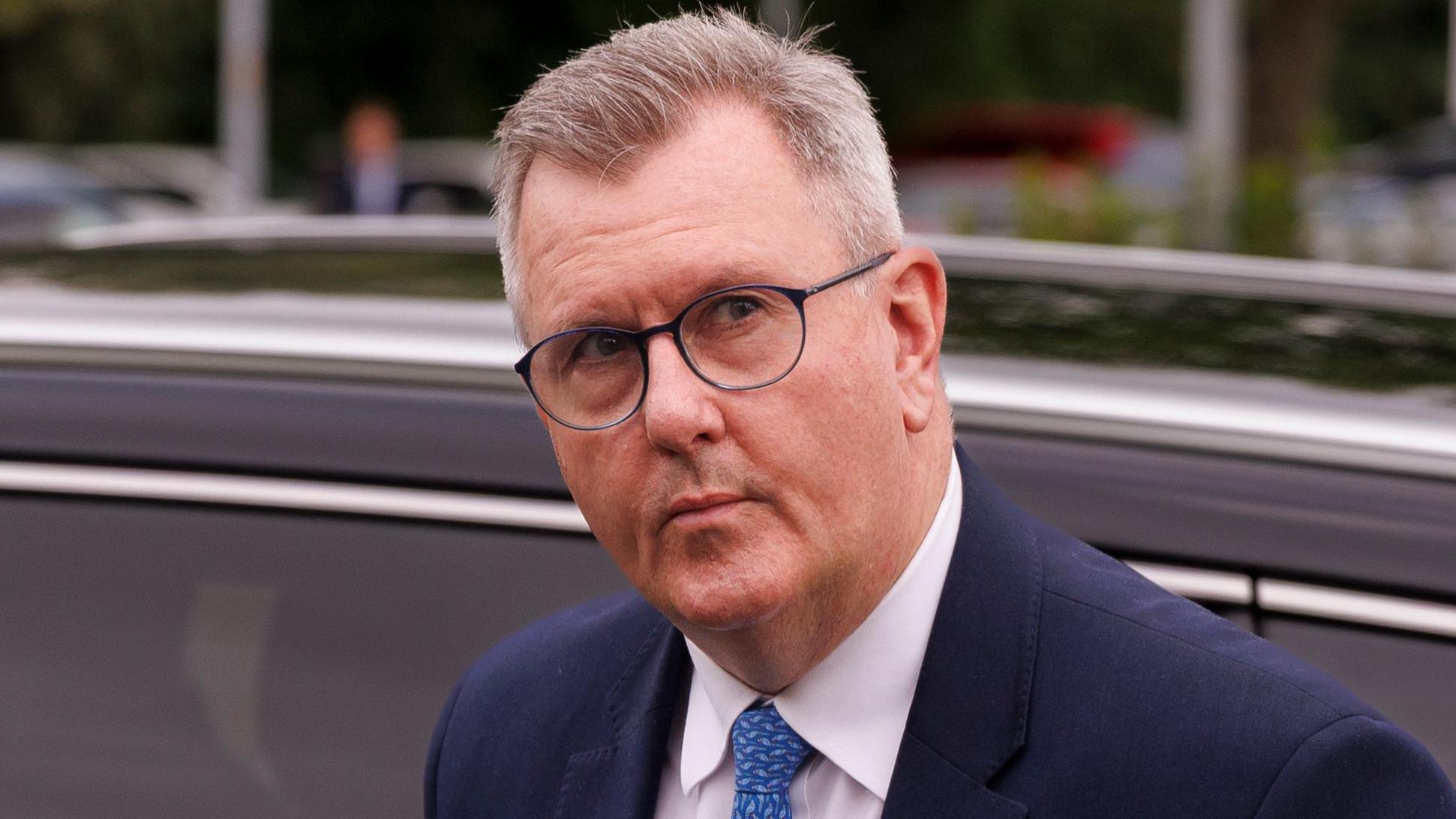
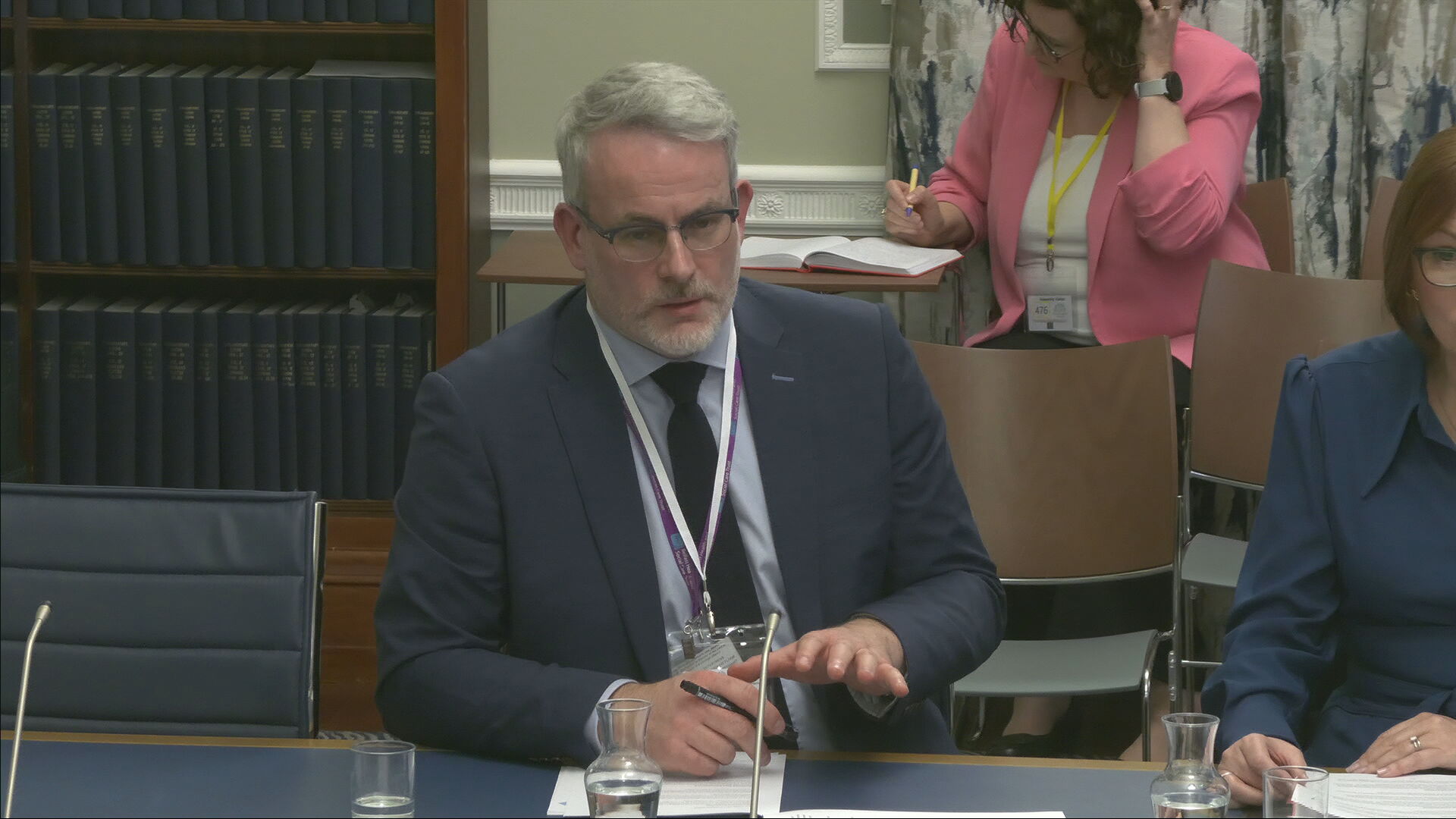
First Minister Michelle O'Neill raised the matter directly with PSNI Chief Constable Jon Boutcher, describing the allegations as "vile and disgusting." The PSNI has confirmed that a formal review of its operational decisions during the disorder is under way, though it has not yet confirmed or denied the specific allegation about the checkpoints. The Policing Board is expected to request a full briefing from the Chief Constable at its next meeting.
Why It Matters
The allegation about the Mater Hospital checkpoints strikes at something fundamental about the rule of law in Northern Ireland. If police officers did advise healthcare workers to comply with demands from masked rioters, it would suggest that, in at least some locations during the disorder, the PSNI effectively ceded control of public space to those engaged in illegal activity. That is a profoundly serious matter, regardless of the operational pressures officers were under at the time.
Northern Ireland has a complex and painful history with policing, and the PSNI — successor to the Royal Ulster Constabulary — has worked hard over more than two decades to build community confidence across all sections of society. The Patten reforms that created the PSNI were premised on the idea of a police service that is accountable, impartial, and committed to human rights. Any suggestion that officers facilitated, even inadvertently, the intimidation of workers from ethnic minority backgrounds would be a serious blow to that project. The RCN's specific reference to international staff is significant: many of the nurses working in Belfast's hospitals are from the Philippines, India, and other countries, and they were among those most visibly targeted by rioters during the disorder.
Local Impact
The Mater Hospital on the Crumlin Road serves communities across north Belfast, including the Ardoyne, Cliftonville, New Lodge, and Tiger's Bay areas — a patchwork of nationalist and unionist neighbourhoods that have historically experienced tension. The hospital's staff come from across the city and beyond, and many rely on public transport or travel through areas that were affected by the disorder. The Belfast Health and Social Care Trust has not yet commented publicly on the specific checkpoint allegations, but it has confirmed that some services were disrupted during the riots and that staff welfare is under review. The Trust's management of the situation will be scrutinised by the Stormont Health Committee in the coming weeks.
What's Next
The PSNI's formal review of its operational conduct during the riots is expected to report within six to eight weeks. The Policing Board will hold a special session to examine the PSNI's response to the disorder, with the checkpoint allegations likely to be a central focus. Separately, the Public Prosecution Service is continuing to process the 23 charges already filed, with further arrests expected. The PSNI has appealed for anyone with information about those who organised or incited the disorder online to come forward. A community recovery process, involving local councils, housing associations, and voluntary organisations, is under way in the areas most affected by the violence.