PSNI Deputy Chief Constable Faces Calls to Apologise Over Pride Policing Remarks
A victims' group has publicly called on PSNI Deputy Chief Constable Bobby Singleton to apologise for remarks in which he described the decision to withdraw officers from a Pride event as the most difficult issue of his career. The controversy, which has drawn responses from across the political spectrum at Stormont, has reignited debate about the PSNI's approach to LGBTQ+ inclusion and the competing demands placed on the service by different communities across Northern Ireland.
Background
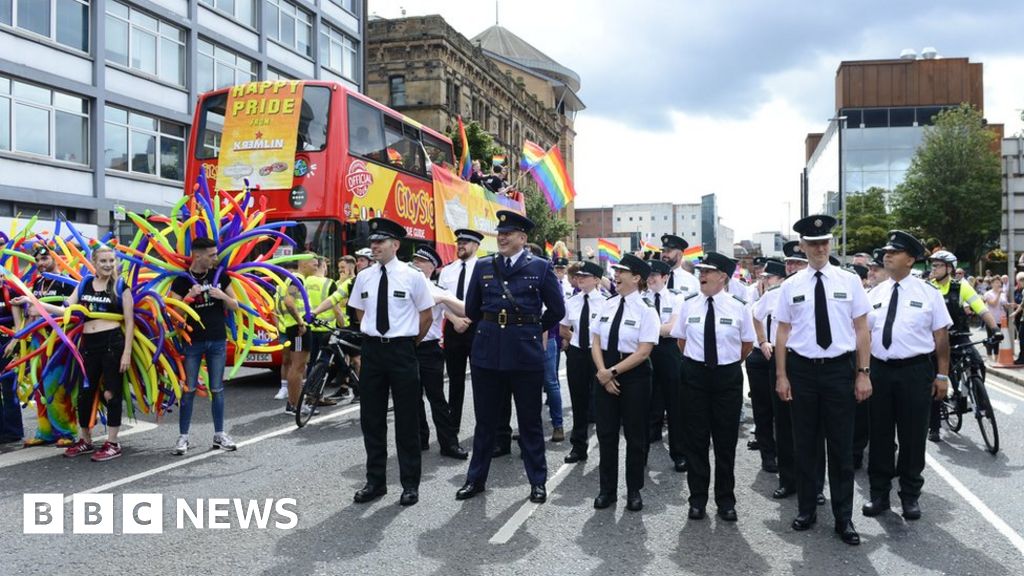
The PSNI's relationship with the LGBTQ+ community has been a subject of sustained attention and debate for several years. The service has made significant efforts to improve its engagement with LGBTQ+ communities, including participation in Pride events, the establishment of LGBTQ+ liaison officers, and the development of internal policies designed to make the PSNI a more inclusive employer. Those efforts have been welcomed by many within the LGBTQ+ community, but they have also generated friction with some sections of the unionist and loyalist communities, who have objected to what they characterise as the politicisation of policing.
The specific incident that prompted Deputy Chief Constable Singleton's remarks involved the withdrawal of uniformed PSNI officers from a Pride event following concerns about the safety of officers and the potential for disorder. The decision was controversial within the LGBTQ+ community, which viewed it as a failure of the PSNI's commitment to inclusive policing, and it prompted a significant internal and public debate about how the service should balance its obligations to different communities.
Singleton's description of the withdrawal decision as the most difficult issue of his career was intended, it appears, to convey the genuine complexity of the situation and the weight of the competing considerations involved. But the framing has been interpreted by some as an inappropriate prioritisation of the PSNI's institutional discomfort over the safety and dignity of the LGBTQ+ community members who were present at the event.
Key Developments
The victims' group calling for an apology has argued that Singleton's remarks were insensitive and that they failed to acknowledge the impact of the withdrawal decision on LGBTQ+ individuals who had expected the PSNI's presence as a signal of institutional support. The group has called for a formal apology and a commitment to a review of the PSNI's approach to policing Pride events.
The controversy has drawn responses from across the political spectrum. Alliance Party representatives, who have been among the most vocal advocates for LGBTQ+ inclusion in Northern Ireland's public institutions, have called for clarity from the PSNI about its future approach to Pride policing. Sinn Féin has echoed those calls, while some DUP representatives have defended the PSNI's decision to withdraw officers, arguing that the safety of officers must be the primary consideration.
The PSNI has not yet responded formally to the calls for an apology, but a spokesperson indicated that the service takes the concerns raised seriously and is committed to engaging with all communities in a respectful and inclusive manner. A review of the PSNI's approach to policing Pride events is understood to be under consideration.
Why It Matters
The controversy matters because it illustrates the particular challenges facing the PSNI as it attempts to serve a deeply divided society in which different communities have fundamentally different expectations of what inclusive policing looks like. The PSNI is simultaneously expected to be a service that LGBTQ+ individuals can trust and feel safe around, and a service that does not alienate the unionist and loyalist communities whose support for policing is essential to the service's legitimacy. Those expectations are not always compatible, and the Pride policing controversy has exposed the tension between them in a particularly public way.
The episode also raises questions about the PSNI's internal culture and the extent to which the service's stated commitment to LGBTQ+ inclusion is reflected in its operational decision-making. A service that withdraws officers from a Pride event and then describes that decision as its most difficult issue is sending a mixed message about its priorities — one that the LGBTQ+ community has understandably found difficult to accept.
Local Impact
The controversy has been felt most acutely in Belfast, where the Pride festival is one of the most significant events in the city's cultural calendar, attracting tens of thousands of participants and visitors each year. The Cathedral Quarter and the city centre, which host the main Pride parade and associated events, have seen growing LGBTQ+ visibility in recent years, and the PSNI's presence at Pride has been an important symbol of that visibility. The withdrawal of officers from the event has been experienced by many in the LGBTQ+ community as a step backwards, and the calls for an apology reflect the depth of that feeling.
What's Next
The PSNI is expected to respond formally to the calls for an apology within the coming days. A review of the service's approach to policing Pride events is expected to be announced before the end of July. The Policing Board, which oversees the PSNI, is likely to raise the matter at its next meeting in August. The 2027 Belfast Pride festival, which will take place in late July or early August, will be the first opportunity for the PSNI to demonstrate whether its approach has changed.