PSNI Chief Warns of Dissident Republican Threat After Lurgan Bomb Attempt
PSNI Chief Constable Jon Boutcher has issued a stark warning about the continued threat from dissident republicans following a bomb attack on Lurgan police station on the evening of Monday, 30 March 2026 — describing the incident as a "reckless and cowardly" attempt to appear relevant ahead of the Easter Rising anniversary.
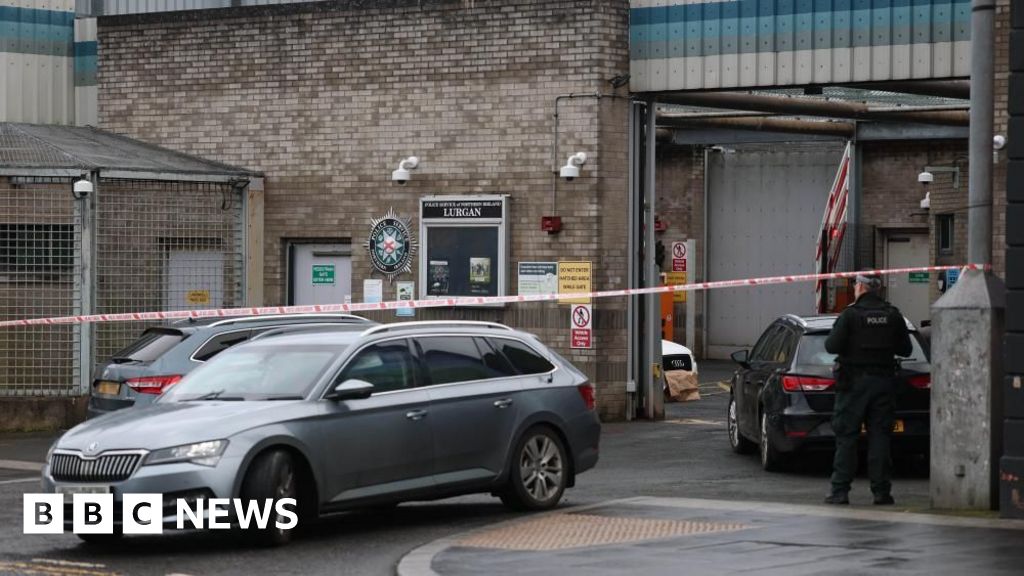
A fast-food delivery driver was hijacked at gunpoint in the Kilwilkie estate of Lurgan by two masked men, one of whom was armed. The men placed a crude but viable improvised explosive device in the boot of the driver's car and ordered him to drive to the nearby police station, threatening to kill him if he refused. Upon reaching the station, the driver managed to escape and alert security staff — a moment of extraordinary courage that allowed officers to evacuate approximately 100 nearby homes before a controlled explosion was carried out. No one was injured. The New IRA later claimed responsibility for the attack.
Background
Dissident republican groups — those opposed to the peace process and the Good Friday Agreement — have continued to carry out sporadic attacks on security forces in Northern Ireland, despite widespread condemnation from across the political spectrum. The Easter period has historically been a time of heightened activity for such groups, who use the anniversary of the 1916 Easter Rising to assert their continued relevance. Groups including the New IRA and the Continuity IRA primarily target police officers and security personnel using improvised explosive devices, firearms, and bomb hoaxes.
The security threat level in Northern Ireland was raised to "severe" in March 2023, indicating that an attack is considered highly likely. Despite this, the 2024–2025 financial year was the first since 1969 without a security-related death — a significant milestone that underscored the progress made since the Good Friday Agreement, even as the underlying threat persisted.
Recent PSNI statistics present a mixed picture. In the year to the end of February 2026, there were no security-related deaths and a decrease in shooting incidents and paramilitary-style attacks. However, bombing incidents increased from five to sixteen — a sharp rise that security analysts say demonstrates the continued intent and capability of dissident groups to cause harm, even if their operational reach remains limited.
Key Developments
Chief Constable Boutcher stated there was "little doubt" that dissident republicans were responsible for the Lurgan attack, describing it as a "futile" bid to appear relevant and urging the community to stand against the "poisonous narrative" of those who seek to drag Northern Ireland back to the past. He emphasised that the vast majority of people in Northern Ireland, from all communities and traditions, reject violence and support the peace process. The PSNI is treating the incident as a serious terrorist attack and has appealed for information from the public.
The attack prompted swift and unanimous condemnation from across the political spectrum. First Minister Michelle O'Neill stated that those behind the attack "have nothing to offer our communities but harm, fear, and disruption." Deputy First Minister Emma Little-Pengelly joined in the condemnation, emphasising the need for political unity against such violence. Alliance Party leader and Justice Minister Naomi Long described the attack as "shameful" and "dangerous," noting that it demonstrated dissidents retain the capacity to threaten public safety even as their political support remains negligible.
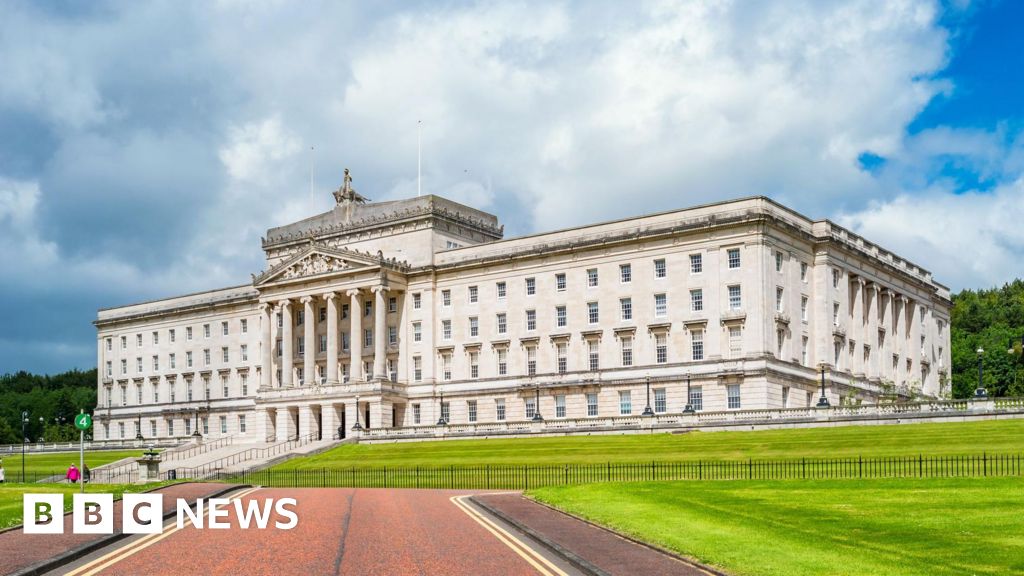
The attack comes at a sensitive time for Northern Ireland, with the Easter Rising anniversary approaching and political tensions elevated following recent developments at Stormont. The PSNI has increased patrols in the Lurgan area and is working with partner agencies to assess the ongoing threat level.
Why It Matters
The Lurgan attack is a sobering reminder that, despite the remarkable progress of the peace process, a small number of individuals remain committed to violence. For the communities of Lurgan and the wider Mid Ulster area, such incidents cause genuine fear and disruption — and the use of an unwitting civilian as an unwilling participant in a bomb attack represents a particularly callous disregard for human life. The delivery driver's courage in alerting police almost certainly prevented casualties.
The increase in bombing incidents recorded by the PSNI is a trend that security analysts are watching closely. While dissident groups lack the broad community support that sustained the Provisional IRA during the Troubles, they retain the technical capability to construct viable devices and the intent to use them. The PSNI's ability to respond effectively, maintain public confidence, and protect officers and civilians is central to the ongoing stability of Northern Ireland. The political consensus against violence — spanning Sinn Féin, the DUP, Alliance, and all other major parties — remains the most powerful bulwark against any resurgence.
Local Impact
For the people of Lurgan and the surrounding Mid Ulster communities, the bomb attack has brought back uncomfortable memories of a period most had hoped was firmly in the past. The Kilwilkie estate, where the driver was hijacked, is a residential area whose residents had no say in being placed at the centre of a terrorist incident. The evacuation of 100 homes caused significant distress, particularly for elderly residents and families with young children. Community leaders in Lurgan have been quick to distance themselves from the attack, with local representatives from across the political divide emphasising that the overwhelming majority of people in the town want nothing to do with those who pursue violence. The PSNI has praised the public response and the courage of the delivery driver, whose actions were described by officers as instrumental in preventing a potentially catastrophic outcome.
What's Next
The PSNI investigation into the Lurgan attack is ongoing, and Chief Constable Boutcher has urged anyone with information to contact police. Security assessments of the threat posed by dissident republican groups will continue to be reviewed in the weeks ahead, particularly as the Easter period approaches. Full details of the incident are available via BBC News and The Irish Times.