Pregnant Women and New Mothers with Mental Health Difficulties 'Falling Through the Cracks' in Ireland
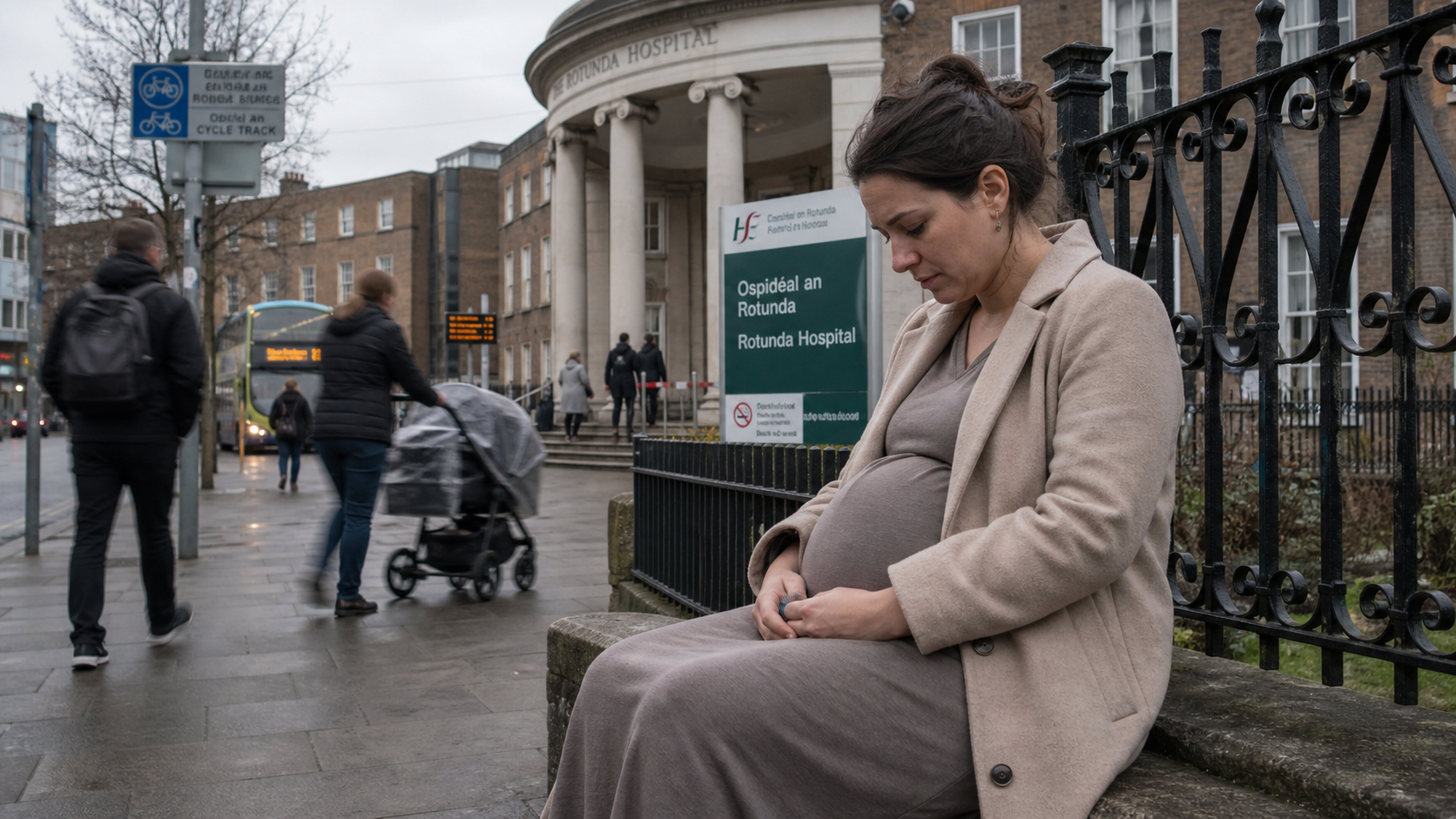
Pregnant women and new mothers experiencing mental health difficulties are "falling through the cracks" of Ireland's health system, according to advocates and healthcare professionals who have responded to a new Maternal Death Enquiry report finding that suicide is the leading cause of death among women in the year after giving birth — a finding that has prompted urgent calls for expanded specialist perinatal mental health services across the country.
Background
Perinatal mental health — the mental health of women during pregnancy and in the year after giving birth — has been a neglected area of Irish healthcare for decades. Approximately one in five women experience mental health challenges during this period, ranging from mild anxiety and low mood to severe conditions including postnatal depression, postpartum psychosis, and, in the most tragic cases, suicidal ideation and completed suicide. The consequences of inadequate support are devastating not just for the women themselves but for their children and families.
Ireland's national maternity strategy, which concluded its ten-year run in 2026, made significant progress in improving the physical dimensions of maternity care, with an €80 million investment over its lifetime. But the mental health dimension of maternity care has lagged behind, with specialist perinatal mental health teams available in only some maternity hospitals and significant variation in the quality of care available across different HSE regions.
The Maternal Death Enquiry, which examines all deaths of women during pregnancy and in the year after giving birth, has been a critical source of data on the scale of the problem. Its findings have consistently highlighted mental health as a major contributor to maternal mortality, and the latest report's finding that suicide is the leading cause of death in the postnatal period has given renewed urgency to calls for action.
Key Developments
The Irish Examiner reported on Friday that advocates and healthcare professionals are calling for urgent expansion of specialist perinatal mental health services in response to the Maternal Death Enquiry findings. The report found that many women who died by suicide in the postnatal period had been in contact with health services but had not received the specialist support they needed — a pattern that advocates describe as a systemic failure rather than a series of individual tragedies.
The HSE has acknowledged the findings and indicated it is reviewing its perinatal mental health services. A capital plan published earlier in 2026 included commitments to develop specialist mother and baby units — facilities that allow mothers requiring psychiatric admission to remain with their infants — in several maternity hospitals. However, advocates have argued that the pace of implementation is too slow and that the investment is insufficient to meet the scale of the need.
Why It Matters
The finding that suicide is the leading cause of maternal death in Ireland is a profound indictment of the country's approach to women's mental health. It means that more women are dying from the consequences of untreated or inadequately treated mental illness than from any physical complication of pregnancy or childbirth — a situation that is both preventable and unacceptable. The women who are dying are not a marginal group: they are mothers, partners, daughters, and friends, and their deaths leave behind children who will grow up without them and families who will carry the grief for the rest of their lives. The systemic failures that allow this to happen — the gaps in specialist services, the inadequate referral pathways, the lack of continuity of care — are known and documented. What is lacking is the political will and the resources to address them.
Local Impact
The impact of inadequate perinatal mental health services is felt across Ireland, but it is particularly acute in areas where access to specialist services is most limited. In rural Ireland, where distances to specialist centres can be significant and where community mental health services are often stretched, women experiencing perinatal mental health difficulties may face particular barriers to accessing the support they need. The HSE's regional structure means that the quality of perinatal mental health care varies significantly depending on where a woman lives, a postcode lottery that advocates have long argued is unacceptable.
What's Next
The HSE is expected to publish a revised perinatal mental health strategy before the end of 2026, incorporating the lessons of the Maternal Death Enquiry report. Budget 2027 is expected to include additional funding for perinatal mental health services, though the amount has not yet been confirmed. Advocacy groups have called for a specific ring-fenced allocation of at least €20 million to expand specialist services across all HSE regions.