Phillies and Red Sox Fire Managers After Dismal Starts, Shaking Up MLB's Early Season
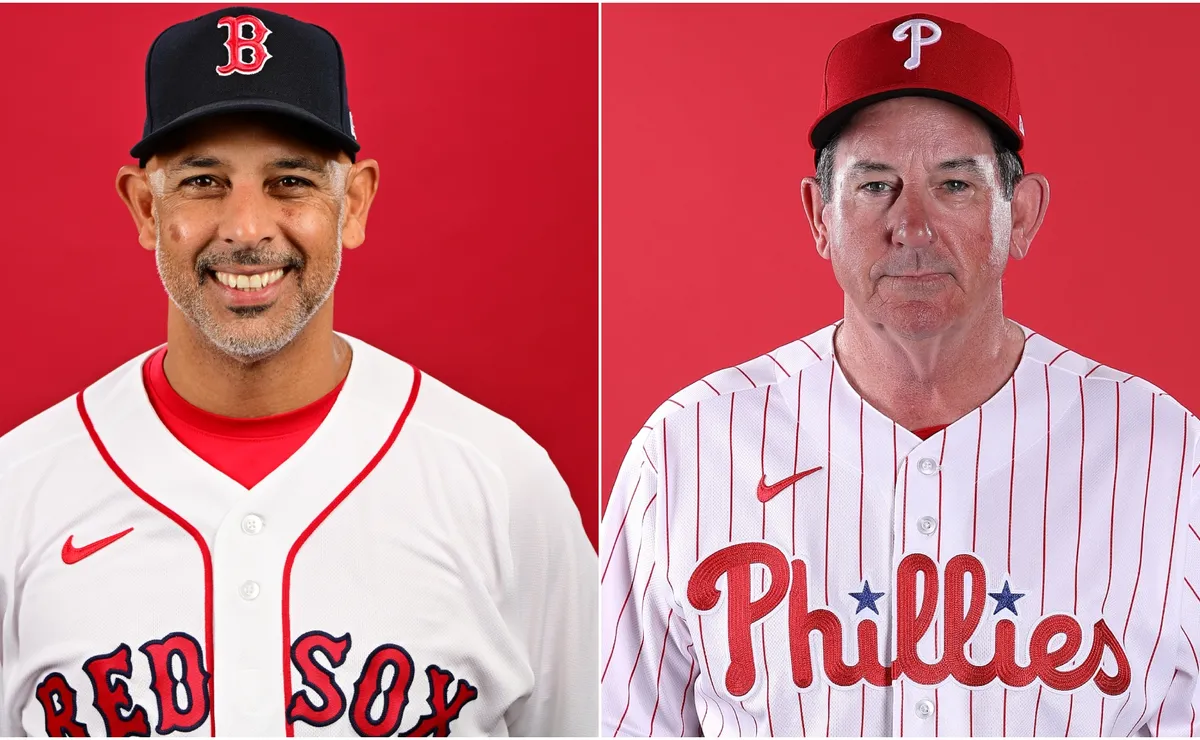
Major League Baseball's 2026 season produced two of its most significant managerial firings in a single week, with the Philadelphia Phillies dismissing Rob Thomson after a 9-19 start and the Boston Red Sox parting ways with Alex Cora following a 10-17 record -- aggressive moves by two franchises with championship aspirations that have instead found themselves buried in their respective divisions just one month into the season.
Background
Both firings represent a sharp departure from the patience that most organizations extend to managers in the early weeks of a season. The conventional wisdom in baseball has long held that a month of poor performance is insufficient grounds for a managerial change, given the 162-game schedule's inherent variance. But both the Phillies and Red Sox entered 2026 with explicit championship expectations -- Philadelphia coming off back-to-back National League Championship Series appearances, and Boston having invested heavily in pitching acquisitions including Garrett Crockett -- making their early struggles particularly alarming to front offices.
Rob Thomson had managed the Phillies since 2022, guiding the team to the World Series in his first season and establishing himself as one of the more respected managers in the National League. Alex Cora, in his second stint as Red Sox manager, had won the 2018 World Series with Boston before being dismissed following the sign-stealing scandal and then rehired in 2021.
Key Developments
The Phillies named bench coach and former MLB star Don Mattingly as interim manager following Thomson's dismissal. The move produced immediate results: Philadelphia swept a doubleheader from the San Francisco Giants, winning both games on walk-off hits -- a feat the franchise had not accomplished since 1998. The back-to-back walk-off victories generated significant momentum in the clubhouse, with players publicly crediting Mattingly's energy and communication style for the turnaround.
In Boston, Red Sox president of baseball operations Craig Breslow appointed Chad Tracy as interim manager following Cora's departure. Tracy, a former MLB infielder who had served as the team's hitting coach, faces the additional challenge of managing a roster depleted by injuries -- most notably to starting pitcher Garrett Crockett, who landed on the injured list in late April with a forearm strain that could sideline him for six to eight weeks.
The Red Sox's 10-17 record placed them last in the American League East, a division that includes the New York Yankees, Toronto Blue Jays, and Tampa Bay Rays -- all of whom entered the season as legitimate playoff contenders. Philadelphia's 9-19 mark left the Phillies 8.5 games behind the New York Mets in the National League East.
Why Americans Should Care
The managerial changes in Philadelphia and Boston carry significance for two of the most passionate baseball fan bases in the country. In Philadelphia, where Citizens Bank Park regularly ranks among the loudest and most engaged venues in the sport, the 9-19 start had already generated significant fan frustration -- and the walk-off sweep under Mattingly provided a tangible emotional reset. For the roughly 1.5 million Red Sox fans in the greater Boston area and the millions more across New England, the Cora firing represents a painful acknowledgment that the team's offseason investments have not translated to on-field performance. Both cities have strong baseball cultures that extend into local economies: a struggling team means fewer sellouts, reduced concession and merchandise revenue, and diminished foot traffic for the bars and restaurants surrounding Fenway Park and Citizens Bank Park.
Why It Matters
The simultaneous firings of two experienced managers one month into the season reflects a broader shift in how MLB front offices approach in-season decision-making. The proliferation of advanced performance metrics has shortened the window of patience for managers whose teams underperform projected win totals, creating a dynamic where early-season struggles carry more immediate consequences than they did a decade ago. The 2026 firings echo the 2002 season, when the Montreal Expos and Detroit Tigers both made early managerial changes -- though neither of those teams had the payroll or expectations of the Phillies or Red Sox.
More recently, the 2023 Angels fired Phil Nevin after 66 games, a move that failed to salvage a season that ended with a 73-89 record. The statistical evidence suggests that managerial changes produce short-term performance boosts that typically fade within three to four weeks, leaving teams in roughly the same position they were before the change. The Phillies' walk-off sweep is encouraging, but the real test will come over the next 30 games as the novelty of Mattingly's tenure wears off and the underlying roster issues reassert themselves.
What's Next
Both the Phillies and Red Sox have indicated they will conduct formal managerial searches at the end of the season, with Mattingly and Tracy serving in interim capacities through October. Philadelphia's front office, led by president Dave Dombrowski, is expected to target experienced managers with National League backgrounds. Boston's Breslow has signaled a preference for a manager with strong player development credentials. The Phillies' next series takes them to Atlanta for a three-game set against the Braves beginning May 3, while the Red Sox host the Baltimore Orioles at Fenway Park for a four-game series starting May 2.
Sources: MLB.com; The Athletic