Over 40 Firefighters Battle Overnight Blaze at Banbridge Farm Rescuing Hundreds of Animals
More than 40 firefighters from 13 stations across Northern Ireland battled an overnight blaze at a farm on the Cascum Road in Banbridge, County Down, on the night of 2–3 April 2026, successfully rescuing over 300 sheep and 30 cattle from a large hay shed that had caught fire — in a major operation that lasted from Thursday evening until Friday morning.
Background
The Northern Ireland Fire & Rescue Service (NIFRS) received the emergency call at 9:03 PM on Thursday, 2 April, and immediately dispatched a large-scale response to the Cascum Road farm. At its peak, the operation involved more than 40 firefighters supported by multiple fire appliances, a water tanker, and a command support unit. The blaze, which was later determined to have been caused by accidental ignition, had taken hold of a substantial hay shed on the property.
The NIFRS Large Animal Rescue Team played a central role in the operation, deploying specialist training and equipment to safely move distressed livestock away from the burning structure. The team's expertise in handling large animals in hazardous conditions proved critical to the successful outcome. Fire crews worked for over 14 hours to bring the blaze under control, with the fire officially declared extinguished at 11:50 AM on Friday, 3 April.
Farm fires represent a significant and growing threat across Northern Ireland. According to a 2024 report by NFU Mutual, farm fires in Northern Ireland caused an estimated £7.3 million in damages — a 42% increase on the previous year. Electrical faults, arson, and lightning strikes are identified as the leading causes, underscoring the vulnerability of agricultural properties and the importance of rapid emergency response.
Key Developments
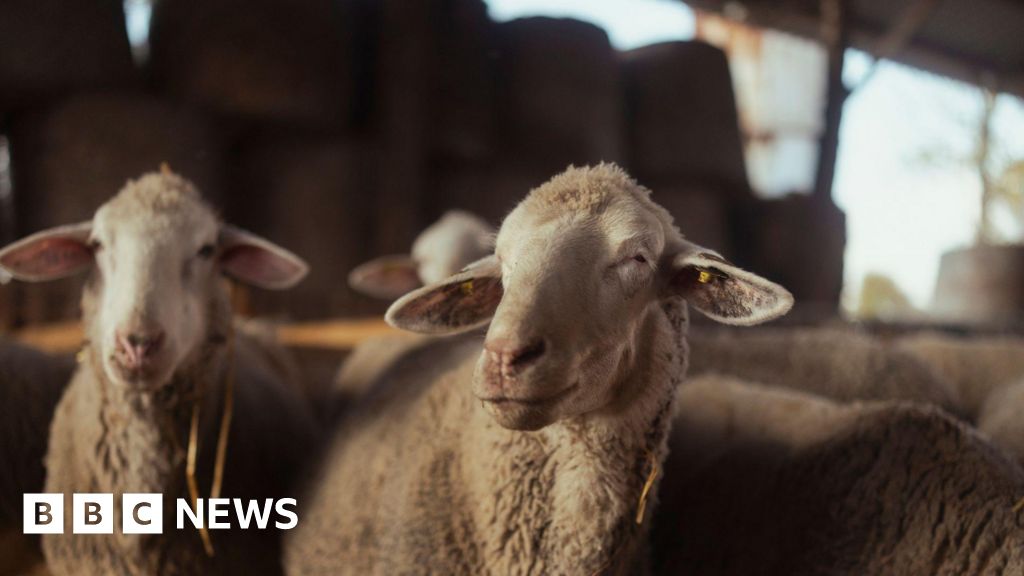
The scale of the rescue operation was remarkable. With over 300 sheep and 30 cattle at risk inside the burning hay shed, firefighters worked methodically alongside the Large Animal Rescue Team to guide the animals to safety. The combination of smoke, darkness, and the distress of the livestock made the operation particularly challenging, yet all animals were successfully evacuated without loss of life.
Thirteen fire stations from across Northern Ireland contributed resources to the response, reflecting the seriousness with which NIFRS treated the incident. The command support unit coordinated the multi-station effort, ensuring that resources were deployed efficiently across the extended operation. The farm's owners were present throughout the night as crews worked to protect their property and livestock.
The cause of the fire — accidental ignition — is consistent with the broader pattern of farm fires in the region, where electrical faults and equipment failures account for a significant proportion of incidents. Investigators attended the scene following the extinguishing of the blaze to establish the precise origin and cause.
Why It Matters
The Banbridge farm fire is a powerful reminder of the extraordinary demands placed on Northern Ireland's fire and rescue service, and of the vital role that specialist teams play in protecting both human life and animal welfare. The successful rescue of more than 330 animals from a burning structure overnight is no small feat — it required coordination, courage, and specialist knowledge that goes well beyond conventional firefighting.
Farm fires carry devastating consequences for rural communities. Beyond the immediate loss of property and livestock, they can threaten the livelihoods of farming families who have invested generations in their land and animals. The £7.3 million in farm fire damages recorded across Northern Ireland in 2024 alone illustrates the scale of the problem. Each incident like this one in Banbridge represents not just a physical emergency but a potential economic catastrophe for the families involved.
The NIFRS Large Animal Rescue Team's performance in this incident also highlights the importance of continued investment in specialist emergency capabilities. As farming operations grow in scale and complexity, the ability to respond effectively to large-scale animal rescue scenarios becomes ever more critical to the safety of Northern Ireland's agricultural sector.
Local Impact
For the farming community in County Down and across Northern Ireland, the Banbridge incident will resonate deeply. Agriculture remains one of the most important industries in the region, with thousands of families dependent on livestock farming for their livelihoods. The sight of 40 firefighters working through the night to save hundreds of animals speaks to the commitment of the emergency services to protecting rural communities.
Local farmers and rural organisations have long called for greater awareness of fire safety on farms, and incidents like this one inevitably renew those calls. NIFRS regularly engages with the farming community on fire prevention, and the service's swift and effective response in Banbridge will be welcomed across the agricultural sector in Northern Ireland.
What's Next
NIFRS investigators will continue to examine the precise cause and origin of the Banbridge blaze, with findings expected to inform future fire safety guidance for farms across Northern Ireland. The farm's owners face the significant task of rebuilding following the destruction of the hay shed, and local agricultural support networks are expected to assist in the recovery process. NIFRS has urged all farmers across Northern Ireland to review their fire safety arrangements, ensure electrical systems are regularly inspected, and familiarise themselves with the service's farm fire prevention guidance. Further information is available via the NIFRS official statement and BBC News coverage of the incident.