Northern Ireland's healthcare estate is in a state of serious and worsening decline, with only four in ten facilities meeting acceptable condition standards, according to a damning new report from the Northern Ireland Audit Office published on Wednesday.
The Auditor General, Dorinnia Carville, found that just 40% of the health estate — a portfolio of more than 1,500 freehold buildings and over 200 leasehold properties spread across 400-plus sites — could be classified as being in an acceptable condition. The remaining 60% ranged from poor to high-risk, with urgent maintenance costs now exceeding £250 million.
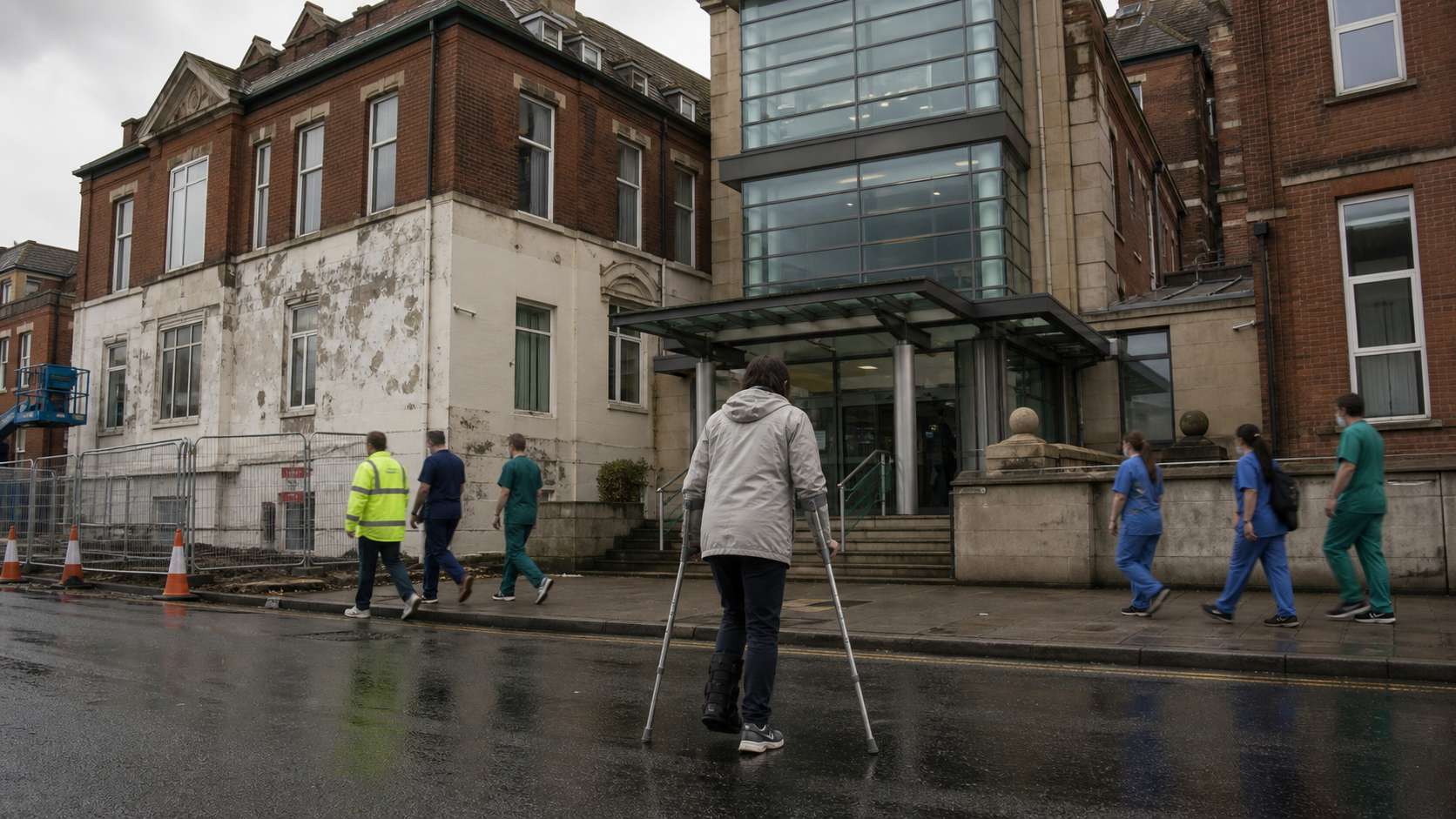
The report, which examined the Department of Health's management of a £3.7 billion estate, painted a picture of systemic neglect driven by years of underfunding and reactive rather than strategic maintenance. Almost half of the estate is more than 50 years old, and roughly one sixth of buildings date back more than 75 years — a legacy of post-war construction that was never adequately renewed.
"Much of the estate is ageing, in poor condition, and increasingly costly to maintain," Carville said in her findings. "The department already holds substantial data on the performance and condition of the health estate. It now needs to use that data better to improve decision-making and take action to better use the limited resources available and achieve more value for money."
The Audit Office warned that essential maintenance spending had been reduced to "absolute minimal levels," creating a dangerous cycle of deterioration that would become exponentially more expensive to address in future years. High-risk maintenance issues related primarily to building structures — including roof replacements and the risk of material falling from height and causing injury to staff, patients, or visitors.
Altnagelvin Hospital in Londonderry featured prominently in the report's most critical findings. More than half of the £251 million required for high-risk maintenance is concentrated within the Western Health Trust, centred on Altnagelvin and the Tyrone and Fermanagh Hospital site in Omagh. Both facilities serve large rural catchment areas and are considered critical infrastructure for communities in the north-west.
The report also highlighted a large number of vacant properties, mostly within larger and older hospital sites, which continue to incur costs without delivering services. The Audit Office called for a more strategic approach to asset management, including better use of existing data and a clearer plan for disposing of or repurposing underused buildings.
The healthcare facilities covered by the report include hospitals, residential accommodation, day centres, health clinics, ambulance stations, fire stations, warehouses, and storage and administration buildings — a sprawling estate that reflects the breadth of health and social care services delivered across the region.
In response, the Department of Health said it was "grateful" to the Audit Office for its work and would consider the recommendations carefully. It acknowledged that calculating and reporting backlog maintenance had been "a longstanding issue," particularly as many assets were "ageing and challenging to maintain." The department said it had issued guidance to health trusts to unify their approach to reporting and was reviewing vacant and underused assets to ensure value for money.
A Departmental Strategic Asset Management Plan is due to be finalised by March 2027, which the department said would incorporate the Audit Office's recommendations. Health trusts, it added, had provided assurance that all associated risks were being managed to ensure buildings remained "in a safe state to support service delivery."
However, health sector unions and patient advocacy groups were less reassured. The findings come at a time when Northern Ireland's health service is already under severe pressure from staff shortages, waiting list backlogs, and a budget that has been described by health officials as wholly inadequate for the scale of demand. The revelation that the physical infrastructure underpinning care delivery is itself in crisis adds a further layer of urgency to calls for a comprehensive capital investment programme.
Opposition politicians at Stormont were quick to respond. The SDLP's health spokesperson described the report as "a damning indictment of years of political failure to invest in our health service," while Alliance called for an emergency capital allocation to address the most critical high-risk sites before the end of the current financial year.
The DUP, which holds the health ministry, said the findings underscored the need for the UK Government to provide additional capital funding to Northern Ireland, arguing that the current block grant settlement was insufficient to address both the revenue pressures on the health service and the capital investment required to modernise the estate.
For patients and staff working in facilities that have been flagged as high-risk, the report offered little immediate comfort. While the department insisted that mitigations were in place to protect those using affected buildings, the Auditor General's warning that a reactive approach risked "storing up problems for the future" suggested that without significant new investment, conditions were likely to deteriorate further before they improved.
The Northern Ireland Audit Office said it would continue to monitor progress against the recommendations and expected to return to the issue in future reports if the department failed to demonstrate meaningful improvement in its management of the health estate.