Major Security Alert Shuts Down Derry Train Station and Key City Bridges
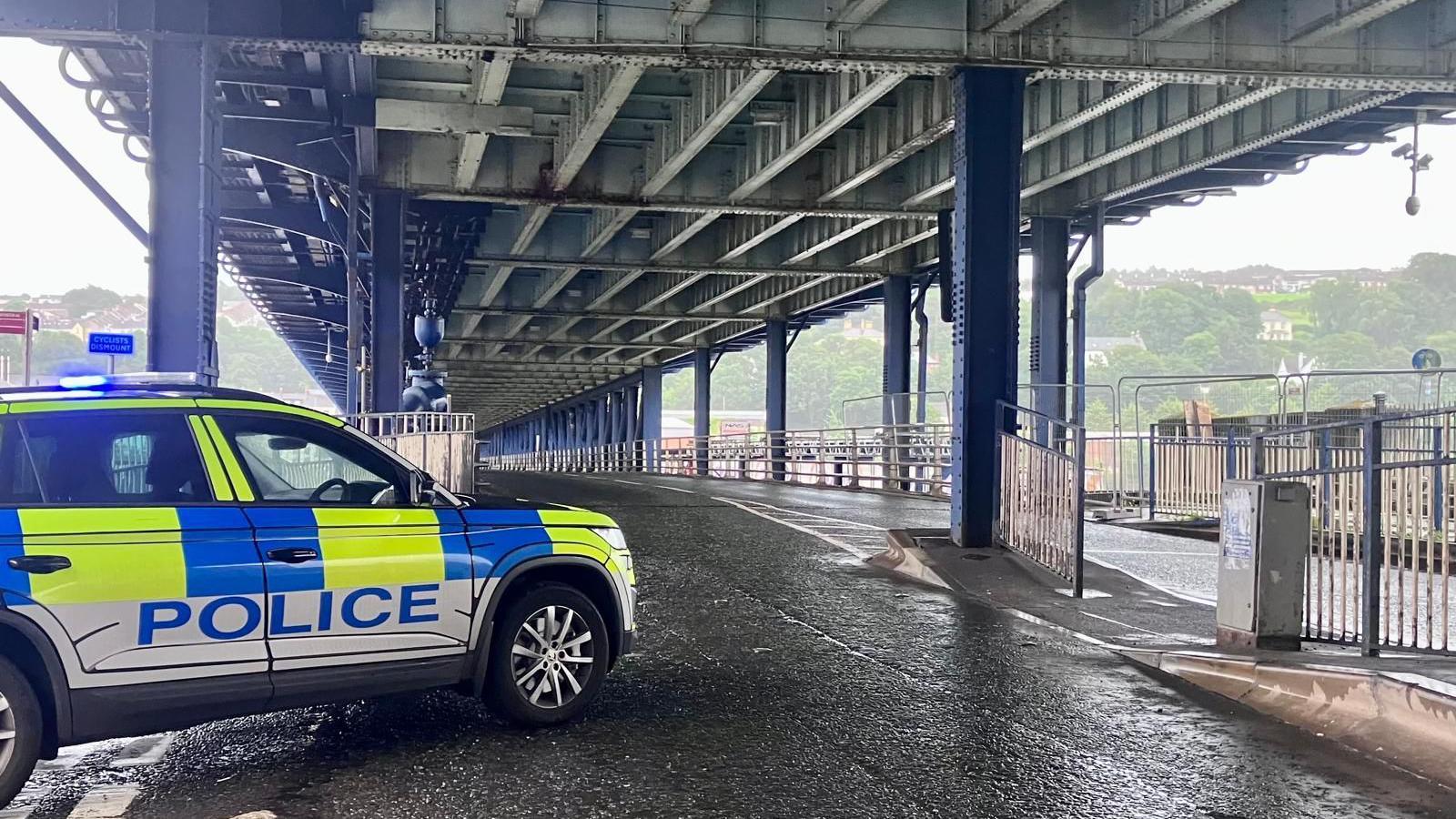
A major security alert in the Waterside area of Derry/Londonderry on Tuesday, July 1, forced the closure of the city's train station, the suspension of rail services on the line to Ballarena, and the implementation of extensive road closures including the lower deck of the Craigavon Bridge — causing significant disruption to thousands of commuters, residents, and businesses across the city on the first day of the new month.
Background
Security alerts in Derry/Londonderry are not uncommon, but the scale of Tuesday's disruption — affecting the city's main rail hub, one of its most important river crossings, and several key arterial roads — placed it among the more significant incidents of recent years. The Waterside area, which sits on the east bank of the River Foyle, is a predominantly unionist and loyalist district that has historically been a flashpoint during periods of heightened community tension.
The timing of the alert, on the first day of July, is significant. The month of July is the most sensitive period in Northern Ireland's annual calendar, with the marching season reaching its peak around the Twelfth of July. The weeks leading up to the Twelfth are traditionally a period of heightened security awareness, with the PSNI deploying additional resources and community liaison officers across the province. Any security incident during this period carries an elevated potential for community tension.
The Craigavon Bridge, which spans the River Foyle and connects the Waterside to the city centre on the west bank, is one of Derry's most important transport arteries. Its closure, even partially, has an immediate and significant impact on traffic flow across the city, affecting commuters travelling between the two sides of the river and adding pressure to alternative routes.
Key Developments
The PSNI confirmed that officers were called to the Waterside area in the early hours of Tuesday morning following a report of a suspicious object. The area around the train station was immediately cordoned off, and the Army Technical Officers (ATO) — the bomb disposal unit — were called to the scene. Road closures were implemented on Foyle Road, Dales Corner, and Simpsons Brae, in addition to the lower deck of the Craigavon Bridge.
Translink, which operates rail services in Northern Ireland, confirmed that services on the Derry to Coleraine line were suspended for several hours, with passengers advised to seek alternative transport. The company arranged replacement bus services where possible, but the disruption caused significant delays for commuters travelling to and from the city. A Translink spokesperson stated that passenger and staff safety was the organisation's top priority and urged customers to check the company's website and social media channels for the latest travel updates.
Local political representatives were quick to condemn the alert. A local councillor described the incident as a deliberate attempt to cause maximum disruption to the people of the city, adding that those responsible had nothing to offer but chaos. The PSNI appealed for anyone with information about the incident to contact them directly or through the Crimestoppers anonymous line.
Why It Matters
Security alerts of this nature carry a cost that extends well beyond the immediate disruption to transport. For businesses in the Waterside and city centre, a closure of several hours during the working day represents a direct financial loss. For residents who depend on public transport — particularly those travelling to hospital appointments, school, or work — the disruption can have serious practical consequences. And for the broader community, each security alert is a reminder of the fragility of the peace that has been built over the past three decades.
Derry/Londonderry has made remarkable progress since the worst years of the Troubles, transforming itself into a vibrant cultural and economic hub. The city's designation as UK City of Culture in 2013 was a landmark moment, and subsequent investment in tourism, the arts, and the built environment has continued to reshape its identity. Security alerts that disrupt daily life and attract negative attention are a direct threat to that progress, and to the confidence of investors and visitors who are essential to the city's continued development.
The PSNI has noted that the number of security alerts in Northern Ireland has remained broadly stable in recent years, but that the threat from dissident republican groups — who have consistently opposed the peace process — has not disappeared. The organisation continues to devote significant resources to intelligence-gathering and community engagement in areas where dissident activity is most prevalent.
Local Impact
The closure of the Craigavon Bridge's lower deck created significant tailbacks on alternative routes across the river, with traffic backing up along Foyle Embankment and onto the approaches to the Peace Bridge. Businesses in the Waterside's main commercial areas reported a sharp drop in footfall during the closure period. The train station closure affected services not only to Coleraine and Ballarena but also connecting services further along the line, with knock-on delays reported as far as Belfast.
Schools in the Waterside area were contacted by the PSNI and advised to monitor the situation, with some parents choosing to keep children at home until the all-clear was given. Community and voluntary organisations in the area, including several youth clubs and community centres, also suspended activities during the alert period. The PSNI's community liaison officers worked throughout the morning to keep local residents informed and to manage concerns.
What's Next
The PSNI has confirmed that an investigation into the incident is ongoing and has appealed for witnesses to come forward. The Army Technical Officers completed their examination of the scene and the all-clear was given later on Tuesday, allowing road closures to be lifted and Translink services to resume. The PSNI's community engagement team is expected to hold briefings with local representatives in the coming days. With the Twelfth of July approaching, security forces across Northern Ireland are maintaining heightened vigilance, and the PSNI has confirmed that additional resources will be deployed across the province throughout the marching season.