Online Conference Shines Light on the 'Hidden Reservoir' of Irish Lives in Continental Europe
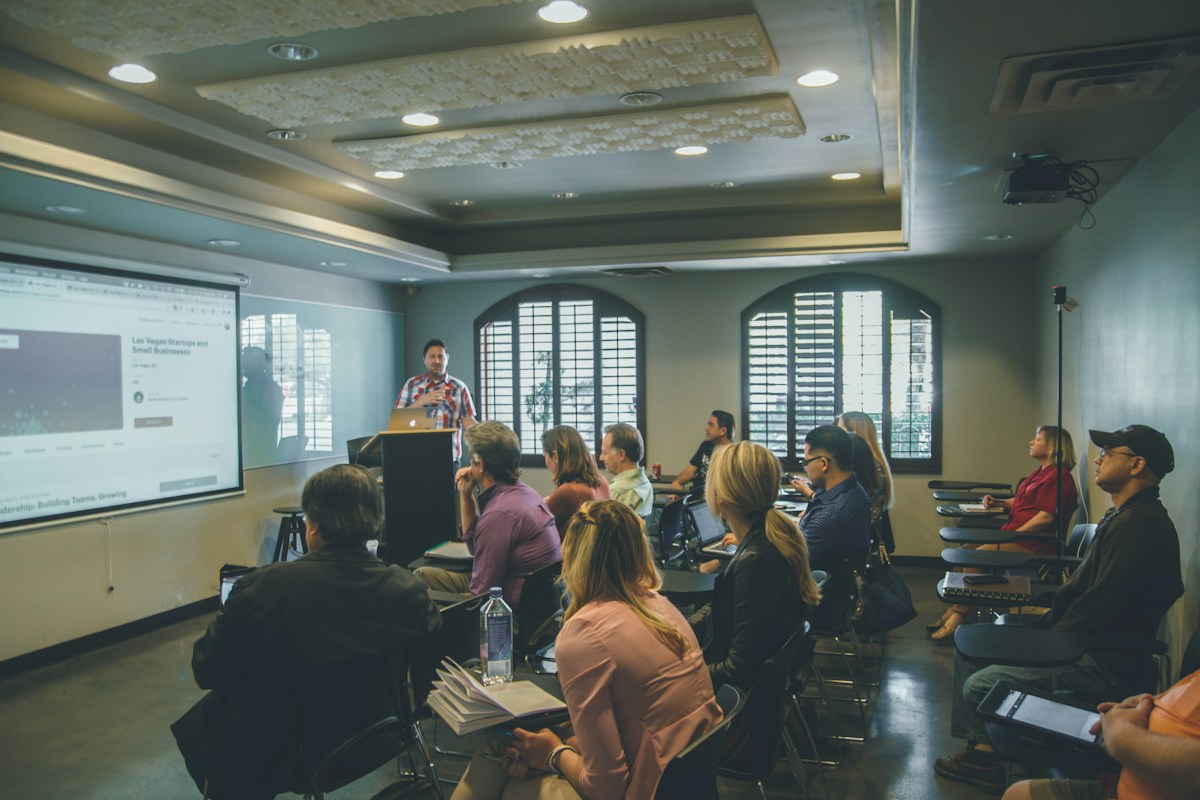
An online academic conference titled "The Road Less Travelled? Irish-European Lives and Multi-Modal Approaches to Life-Writing" was held on 25 and 26 June, bringing together scholars from Mary Immaculate College, the University of Limerick, and Friedrich Schiller University of Jena to explore a largely unexamined aspect of the Irish diaspora experience — the lives of Irish migrants, exiles, and travellers in continental Europe, whose stories have been overshadowed by the more familiar narratives of the Irish in Britain, America, and Australia.
Background
The Irish diaspora is one of the most extensively studied in the world. The history of Irish emigration to Britain, the United States, Australia, and Canada has been documented in thousands of academic studies, memoirs, novels, and films, and the Irish-American, Irish-British, and Irish-Australian communities have developed rich cultural identities that maintain strong connections with the island of Ireland.
What has received far less attention is the experience of Irish people in continental Europe — the students who studied in Paris, the artists who lived in Berlin, the workers who settled in Amsterdam or Barcelona, the diplomats and missionaries who spent their careers in Rome or Brussels. These individuals and communities represent what the conference organisers describe as a "hidden reservoir" of Irish-European experience, one that has been largely invisible in both academic research and popular culture.
The conference was co-organised by scholars from Mary Immaculate College and the University of Limerick in Ireland, and Friedrich Schiller University of Jena in Germany — a collaboration that itself reflects the Irish-European connections that the conference sought to explore. The event was free and open to the public, reflecting the organisers' commitment to making academic research accessible to a wider audience.
Key Developments
The two-day conference featured keynote addresses from leading academics in the field of diaspora studies and life-writing, alongside presentations on a wide range of topics related to Irish-European experience. Speakers explored Irish-Central European cultural connections, the experiences of Irish missionaries in continental Europe, and the use of digital and social media by contemporary Irish emigrants in Europe to document and share their experiences.
A distinctive feature of the conference was its broad definition of "life-writing" — the forms of personal narrative that people use to document and make sense of their lives. Rather than focusing exclusively on traditional autobiographies and memoirs, the conference examined a wide range of modern and digital forms, including podcasts, blogs, vlogs, graphic novels, and autofiction. This expansive approach reflects the reality of how contemporary Irish emigrants in Europe are documenting their experiences, and provides a more comprehensive and nuanced picture of the diaspora than traditional literary forms alone can offer.
The conference organisers have announced plans to publish the outcomes of the event in a peer-reviewed, open-access e-book, making the research accessible to a global audience. This commitment to open access reflects a broader trend in academic publishing towards making research freely available, and will ensure that the conference's findings reach not just academic specialists but also members of the Irish-European diaspora communities whose experiences are being studied.
Why It Matters
The conference matters because it addresses a genuine gap in our understanding of the Irish diaspora. The focus on Irish communities in Britain and America is understandable — these are the largest and most historically significant Irish diaspora communities — but it has created a distorted picture of Irish emigration that overlooks the experiences of the hundreds of thousands of Irish people who have made their lives in continental Europe.
This matters particularly in the context of Brexit and its aftermath. The departure of the United Kingdom from the European Union has significantly changed the landscape for Irish people living in Britain, and has prompted many to reconsider their relationship with Europe. At the same time, the freedom of movement that EU membership provides has made it easier than ever for Irish people to live and work in continental Europe, and the number of Irish citizens in EU countries has grown significantly in recent years.
The conference's focus on multi-modal life-writing is also significant. The ways in which people document and share their experiences have changed dramatically in the digital age, and the Irish diaspora in Europe is no exception. Blogs, podcasts, and social media have created new forms of community and connection among Irish people in Europe, and the academic study of these forms provides valuable insights into how identity, belonging, and cultural connection are maintained across borders in the 21st century.
Local Impact
For Irish people living in continental Europe — whether in Germany, France, Spain, the Netherlands, or elsewhere — the conference represents a rare moment of academic recognition for their experiences and their communities. The Irish diaspora in Europe is often invisible in both Irish and European public discourse, and the conference's focus on their lives and stories is a welcome acknowledgement of their existence and their significance.
For the academic institutions involved — Mary Immaculate College, the University of Limerick, and Friedrich Schiller University of Jena — the conference represents an important contribution to the growing field of diaspora studies and to the broader project of understanding the Irish experience in a European context. The collaboration between Irish and German institutions is itself a model of the kind of Irish-European academic partnership that the conference sought to celebrate.
What's Next
The conference organisers plan to publish the proceedings in a peer-reviewed, open-access e-book, which is expected to be available later in 2026. The publication will include revised versions of the conference papers, along with editorial introductions and contextual essays that situate the individual contributions within the broader field of diaspora studies. The organisers have also indicated that they hope to hold a follow-up conference in 2028, building on the connections and conversations that the 2026 event has generated.