Oireachtas Committee Recommends Decriminalisation of All Drugs for Personal Use in Landmark Report
The Oireachtas Committee on Drugs has published a landmark report recommending the decriminalisation of all drugs for personal use, calling for a fundamental reorientation of Irish drug policy away from criminal justice and towards a public health framework that treats addiction as a health issue rather than a moral failing, in a recommendation that, if implemented, would represent the most significant reform of Irish drug law since the Misuse of Drugs Act was enacted in 1977.
Background
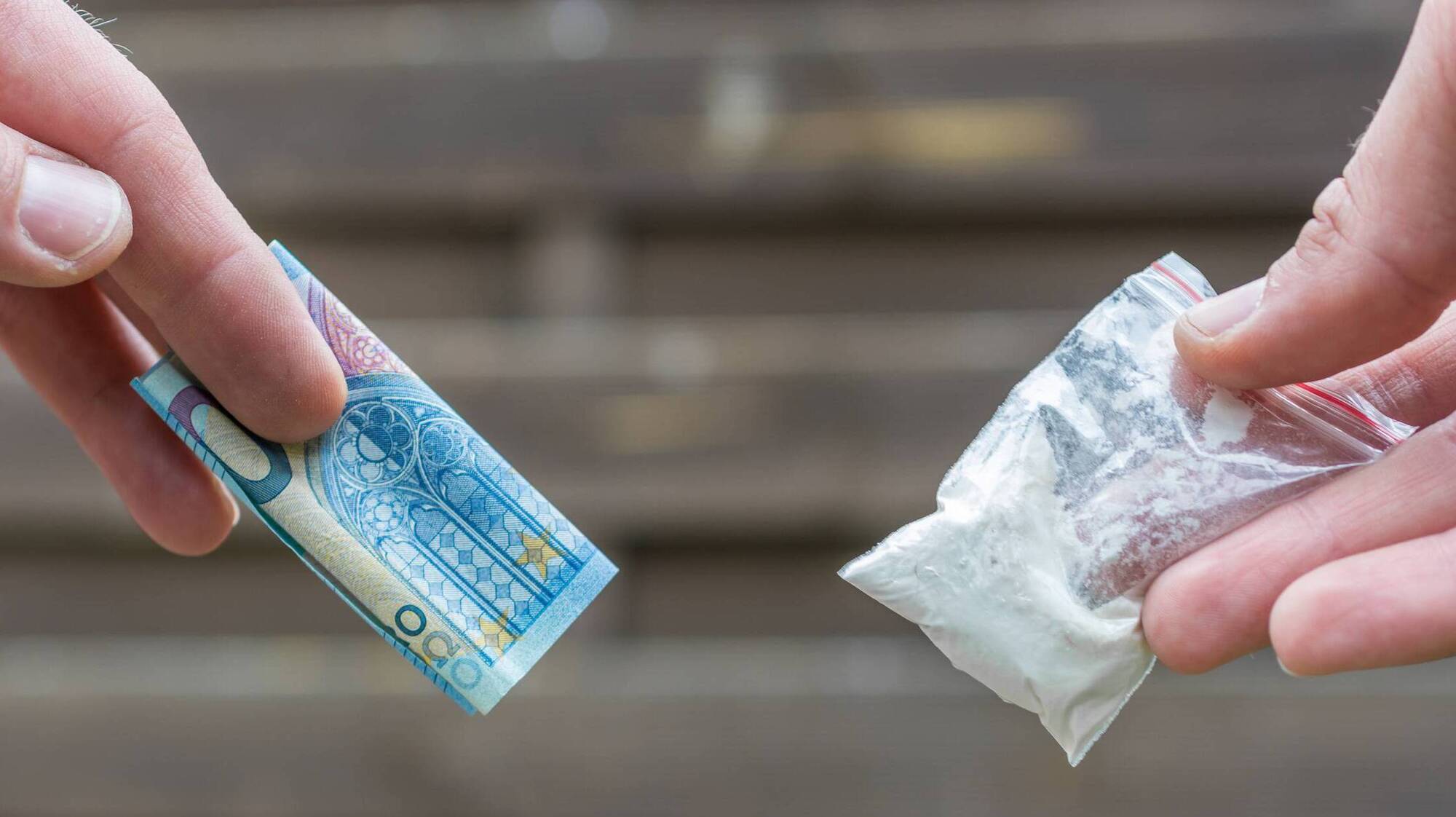
Ireland's approach to drug policy has been shaped by the Misuse of Drugs Act 1977 and its subsequent amendments, a legislative framework that criminalises the possession of controlled substances for personal use. The consequences of that criminalisation have been well-documented: people who use drugs are deterred from seeking help, criminal records create barriers to employment and housing, and the resources of the Garda Síochána and the courts are consumed by prosecutions that do not reduce drug use or address its underlying causes.
The debate about decriminalisation has been ongoing in Ireland for years, driven by the evidence from Portugal, which decriminalised all drugs for personal use in 2001 and has since seen significant reductions in drug-related deaths, HIV infections among people who inject drugs, and drug-related incarceration. The Portuguese model has been studied extensively by Irish policymakers, and the Oireachtas Committee's report draws heavily on that evidence base.
The committee, which includes members from across the political spectrum, was established to examine Ireland's drug policy in a comprehensive way and to make recommendations for reform. Its work has involved extensive consultation with people who use drugs, addiction services, law enforcement, and international experts, and the report represents the most thorough examination of Irish drug policy ever conducted by an Oireachtas body.
Key Developments
The committee's central recommendation is the decriminalisation of possession of all drugs for personal use, meaning that individuals found in possession of small quantities of any controlled substance would not face criminal prosecution. Instead, they would be referred to health services, offered treatment and support, and potentially subject to civil sanctions such as fines or mandatory health assessments. The report is explicit that decriminalisation does not mean legalisation: the supply and sale of drugs would remain criminal offences.
The report also recommends significant investment in addiction treatment services, harm reduction measures including supervised injection facilities, and a public health campaign to address the stigma associated with drug use. It calls for the establishment of a dedicated drugs agency to coordinate policy across government departments and to monitor the implementation of the recommended reforms.
The government's response to the report has been cautious. While several ministers have acknowledged the evidence base for decriminalisation, the coalition has not committed to implementing the committee's central recommendation. The report will now be considered by the Cabinet, and a formal government response is expected in the autumn.
Why It Matters
The committee's recommendation is significant not just for what it proposes but for the political process that produced it. An Oireachtas committee with cross-party membership has reached a consensus that the current approach to drug policy is failing, and that the evidence supports a fundamental change in direction. That consensus is harder for the government to dismiss than a recommendation from a single party or an advocacy organisation.
The practical implications of decriminalisation would be substantial. Ireland has one of the highest rates of drug-related deaths in Europe, and the current approach has demonstrably failed to reduce either drug use or the harms associated with it. The Portuguese experience suggests that decriminalisation, combined with investment in treatment and harm reduction, can reduce deaths, infections, and incarceration without increasing drug use. For context, Portugal's drug-related death rate is now among the lowest in Europe, while Ireland's remains among the highest. The committee's report makes the case that continuing with the current approach is not a neutral choice; it is a choice to accept preventable deaths.
Local Impact
The impact of drug policy reform would be felt most acutely in the communities most affected by drug use and drug-related crime. In Dublin, areas including the north inner city, Ballymun, and Tallaght have been disproportionately affected by the drug crisis, and the criminalisation of personal use has compounded the disadvantage experienced by residents of those communities. Outside Dublin, the drug crisis has spread to towns and rural areas that were previously less affected, and the lack of treatment services in many parts of the country means that people who want help often cannot access it. Decriminalisation alone would not solve those problems, but it would remove a significant barrier to help-seeking and free up Garda resources for enforcement against supply networks.
What's Next
The government will consider the committee's report over the summer recess, with a formal response expected when the Dáil returns in September. The Minister for Justice and the Minister for Health will lead the government's deliberations, and a public consultation on the recommendations is likely before any legislative changes are proposed. Advocacy organisations including the Ana Liffey Drug Project and the Irish Penal Reform Trust have welcomed the report and are calling on the government to commit to implementation before the end of the current Dáil term.