Oil Prices Fall as US-Iran Deal Talks Progress and Trump Pauses Strait of Hormuz Escorts
Oil prices fell sharply on Wednesday as reports emerged that a US-Iran deal is close, with President Trump announcing "great progress" in negotiations and suspending the US military's escort of commercial ships through the Strait of Hormuz — a development that has provided temporary relief to global markets rattled by months of conflict-driven energy price spikes.
Background
The US-Iran conflict, which escalated dramatically in late 2025 following a series of Iranian missile strikes on US military assets in the Gulf region, has been the defining geopolitical crisis of the Trump administration's second term. The conflict — which has involved US and Israeli military operations against Iranian nuclear and military infrastructure, Iranian retaliation through proxy forces and direct missile attacks, and a sustained disruption to shipping through the Strait of Hormuz — has pushed oil prices to levels not seen since the immediate aftermath of the 2022 Russian invasion of Ukraine.
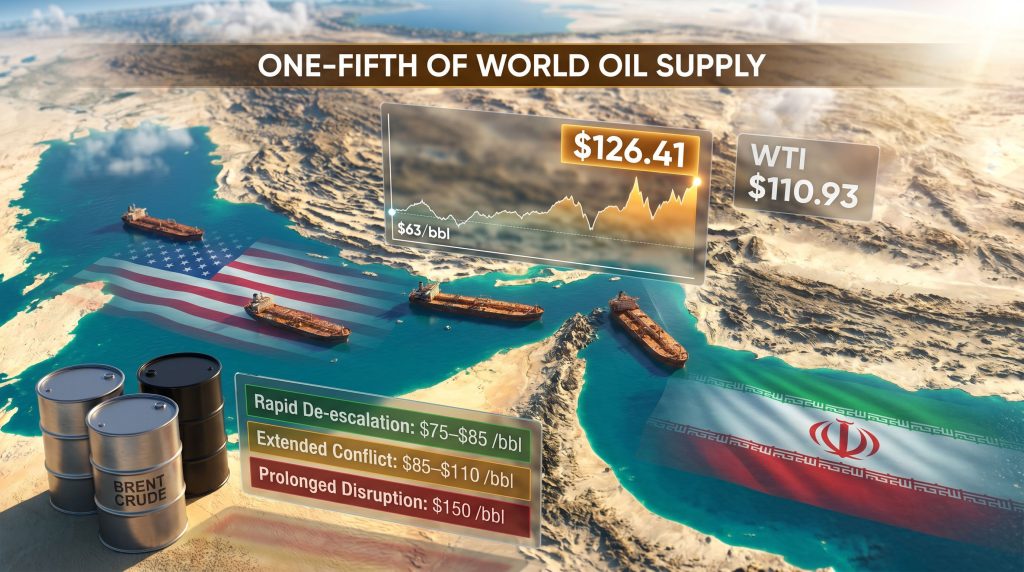
The Strait of Hormuz is the world's most critical oil chokepoint, through which approximately 20% of global oil supply passes. The disruption to shipping through the strait — caused by Iranian threats to tankers and the deployment of US naval escorts — has added a significant risk premium to oil prices, contributing to the inflationary pressures that have complicated economic management in the UK, Europe, and beyond. Brent crude reached approximately $107 per barrel in recent days, with UK Prime Minister Keir Starmer warning that inflation could rise above 6% if prices remained elevated.
The White House has described the Iran conflict as the biggest political crisis of Trump's presidency. The administration has been under pressure from allies, including the UK and European partners, to pursue a diplomatic resolution, and from domestic critics who have questioned the strategic rationale for the military campaign.
Key Developments
On Wednesday 6 May, Trump announced "great progress" in negotiations with Iran and confirmed that the US military would temporarily suspend its escort of commercial ships through the Strait of Hormuz — a signal that both sides are moving towards a deal. Oil prices fell in response, with Brent crude dropping from recent highs towards $107 per barrel and WTI crude trading around $99.53. The Chinese foreign minister separately urged a "comprehensive ceasefire," adding diplomatic weight to the push for a resolution.
The Irish Times reported that Irish Gulf residents living in the UAE described missile attacks as arriving "out of nowhere," providing a human dimension to a conflict that has been largely reported in strategic and economic terms. CNN founder Ted Turner, who died on Wednesday aged 87, had built the network that first brought the Gulf War into living rooms around the world — a coincidence that several commentators noted with a sense of historical resonance.
Russia, meanwhile, snubbed a unilateral ceasefire proposal and sent dozens of drones into Ukraine, a reminder that the geopolitical landscape remains deeply unstable even as the Iran situation shows signs of easing.
Why It Matters
A US-Iran deal would have immediate and significant consequences for the global economy. The removal of the risk premium from oil prices — which analysts estimate at between $15 and $25 per barrel — would provide relief to consumers and businesses across the UK and Ireland who have been absorbing higher energy costs for months. For the UK government, lower oil prices would reduce inflationary pressure and give the Bank of England more room to continue cutting interest rates. For the Republic of Ireland, which has the highest electricity prices in the EU, any reduction in energy costs would be particularly welcome.
The deal, if concluded, would also reshape the strategic landscape of the Middle East in ways that are difficult to predict. Iran's nuclear programme — the ostensible casus belli for the US-Israeli military campaign — would need to be addressed in any lasting agreement. The terms of a deal, and the extent to which they constrain Iran's regional ambitions, will determine whether the current de-escalation represents a genuine resolution or merely a pause.
Local Impact
In the UK, the fall in oil prices has provided immediate relief to motorists and businesses facing elevated fuel costs. In Northern Ireland, where energy prices have been a persistent concern for households and businesses, any sustained reduction in oil prices would be welcome. In the Republic of Ireland, where Irish aircraft lessors have been caught in the fallout from soaring jet fuel prices — contributing to the collapse of Spirit Airlines and the cutting of two million airline seats globally — a deal that stabilises energy markets would have direct commercial implications.
What's Next
Negotiations between the US and Iran are ongoing, with a deal potentially imminent. The key outstanding issues are understood to include the extent of Iran's nuclear programme constraints, the lifting of US sanctions, and the future of Iranian proxy forces in the region. A formal agreement, if reached, would need to be ratified by the US Senate — a process that could face significant political opposition. In the meantime, markets will remain sensitive to any signals from either side about the state of the talks.
Sources: The Irish Times, BreakingNews.ie