Iran Launches Drone and Missile Attacks in Strait of Hormuz as US Denies Warship Strike
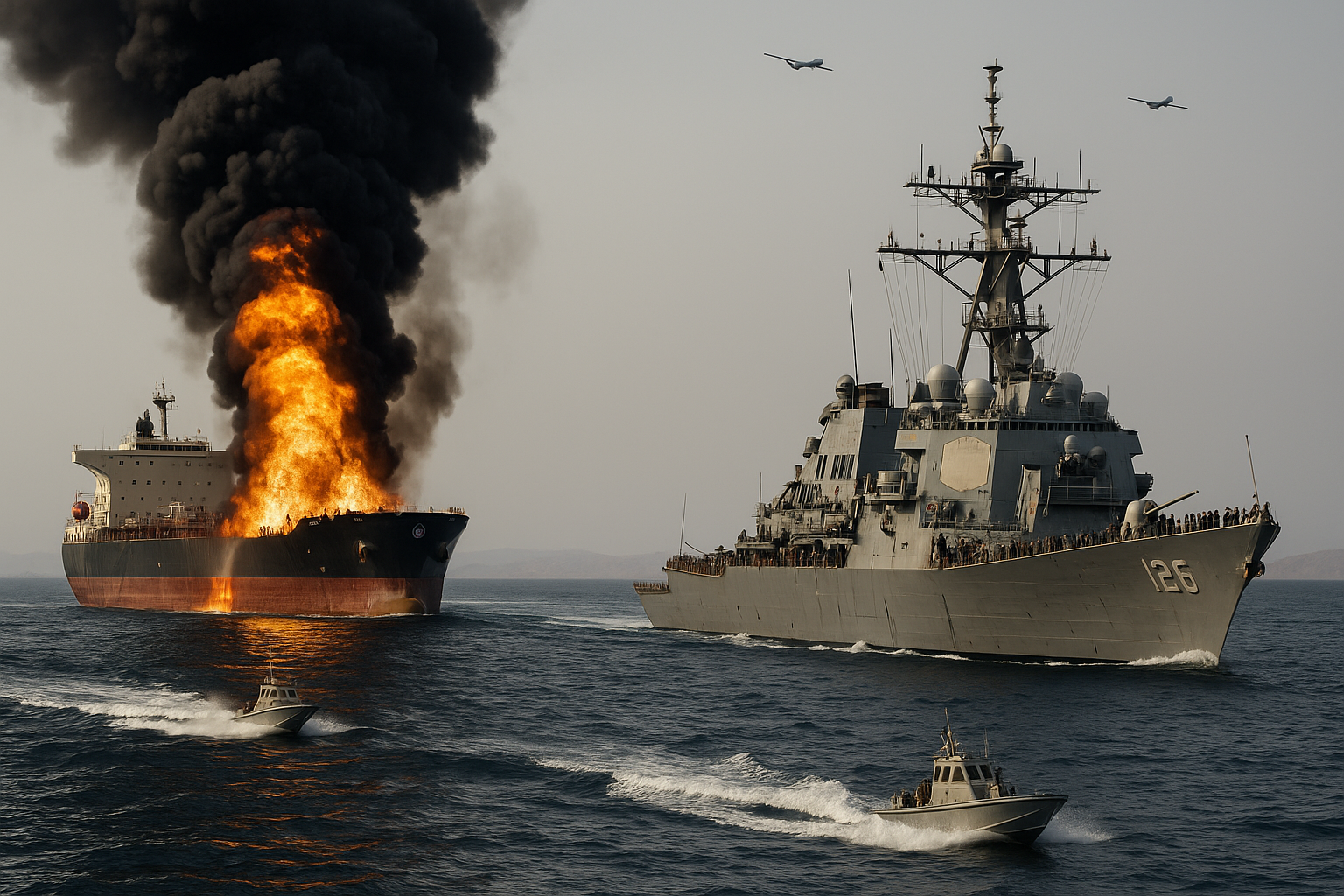
Iran launched a series of coordinated drone and missile attacks in the strategically vital Strait of Hormuz on Monday, in a dramatic escalation of the conflict with the United States that has disrupted global shipping, set a South Korean vessel ablaze, and sent energy markets into turmoil — with the US denying Iranian claims that one of its warships was struck during the operation.
Background
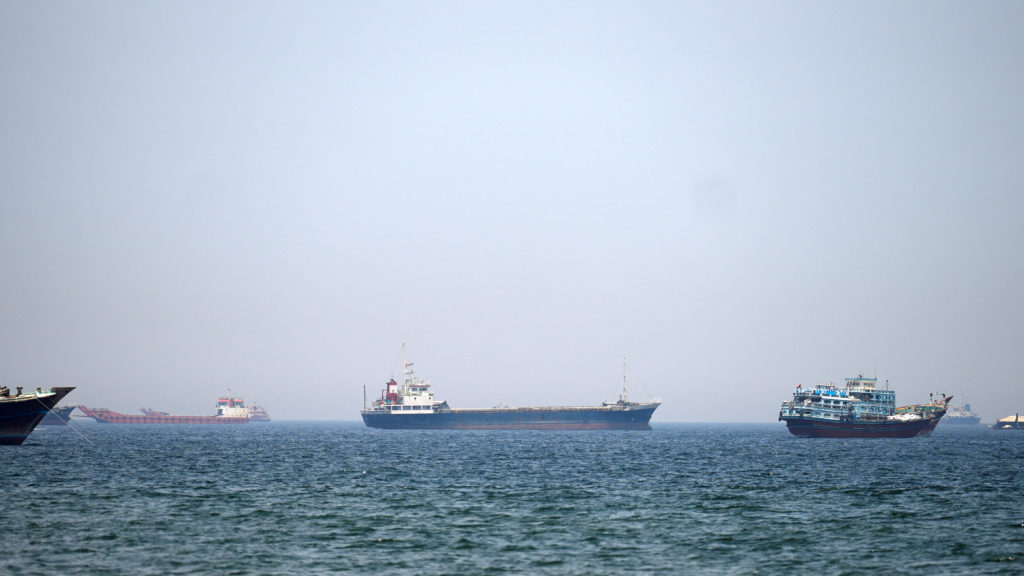
The Strait of Hormuz is the world's most critical maritime chokepoint, a narrow waterway between Iran and Oman through which approximately 20% of global oil supply and a significant proportion of liquefied natural gas passes daily. Control of — or the ability to threaten — the strait has been a central element of Iran's strategic deterrence posture for decades. Tehran has repeatedly threatened to close the strait in response to US sanctions or military pressure, and the current conflict represents the most serious test of that threat in recent memory.
The conflict between the US and Iran escalated sharply in early 2026, following the resumption of maximum pressure sanctions under the Trump administration. Iran's nuclear programme, its support for proxy forces across the Middle East, and its ballistic missile capabilities have all been points of contention. The situation deteriorated further in late February 2026, when a series of incidents in the Gulf region set the stage for the current confrontation.
The Strait of Hormuz has been the scene of previous Iranian provocations, including the seizure of oil tankers, the harassment of US naval vessels, and the shooting down of a US drone in 2019. But Monday's coordinated drone and missile attacks represent a qualitative escalation — a direct military strike on shipping in the world's most important oil transit route.
Key Developments
The Guardian confirmed on 4 May 2026 that Iran launched coordinated drone and missile attacks within the Strait of Hormuz. In the immediate aftermath, the United States issued a formal denial of Iranian claims that a US warship had been struck during the operation, with US officials describing the claims as disinformation designed to escalate tensions. A South Korea-operated vessel was reported to have caught fire in the strait, highlighting the immediate danger to commercial maritime traffic.
US destroyers have entered the Gulf as part of a ship escort mission, in an effort to keep the strait open for commercial shipping. Prime Minister Keir Starmer, speaking at the European Political Community summit in Yerevan, indicated that European countries were giving a great deal of attention to a plan for a naval reassurance presence in the strait, an initiative being pushed by the UK and France. The Taoiseach of Ireland, Micheal Martin, welcomed the US plan to reopen the strait.
Iran has warned the US Navy following President Trump's comments on the Strait of Hormuz, and Tehran has claimed to have stopped a US warship from sailing through the strait — a claim the US has denied. The situation remains highly volatile, with the risk of miscalculation on both sides significant.
Why It Matters
The Hormuz crisis is the most serious military confrontation in the Middle East since the early stages of the Gaza conflict, and its consequences extend far beyond the region. Global oil prices have spiked in response to the disruption, with immediate knock-on effects for inflation in the UK, Europe, and beyond. The UK economy, already facing headwinds from sluggish growth and the cost-of-living crisis, is particularly exposed to energy price shocks given its dependence on imported gas.
The crisis also tests the cohesion of the Western alliance. The Trump administration's approach to Iran has diverged significantly from the preferences of European allies, who favoured a diplomatic track. The UK and France's push for a European naval presence in the strait — rather than simply deferring to US leadership — reflects a growing recognition in European capitals that they cannot rely on Washington to manage every global security challenge. This is a significant shift from the post-Cold War consensus.
Local Impact
The Hormuz crisis has immediate and tangible consequences for people across the UK and Ireland. Rising energy prices will feed through to household bills, business costs, and the broader cost of living. In Northern Ireland, where energy costs are already higher than the GB average, the impact will be felt acutely. Irish consumers face similar pressures, with the Irish medicines pricing deal reported to be under strain from both tariffs and the Iran conflict. The disruption to global shipping also affects businesses that import goods through the Gulf, including manufacturers and retailers across the UK and Ireland.
What's Next
The situation in the Strait of Hormuz remains fluid and dangerous. US destroyers are conducting ship escort missions, and the European naval reassurance presence proposed by the UK and France is under active discussion. The UN Security Council is expected to convene an emergency session to discuss the crisis. Oil markets will continue to be volatile until there is clarity about the security of shipping through the strait. The Bank of England and other central banks are monitoring the economic impact closely.
Sources: The Guardian — Middle East crisis live; RTE News — Taoiseach at EU summit