Iran Warns All Ships Must Coordinate with Its Forces in Strait of Hormuz or Face Attack
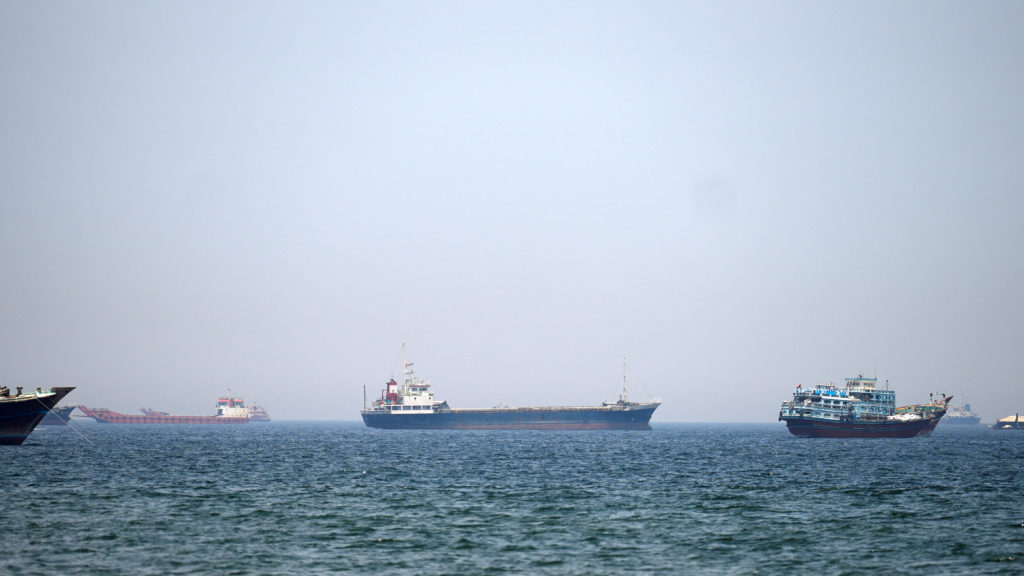
Iran has issued a stark and unambiguous warning that all vessels transiting the strategically vital Strait of Hormuz must coordinate directly with its Islamic Revolutionary Guard Corps (IRGC) Navy or risk being attacked, declaring the strait will not return to its pre-war state. The declaration dramatically escalates tensions in the Persian Gulf and comes as the United States launched "Project Freedom," a maritime security mission announced by President Donald Trump on May 3rd, setting the stage for a potential major confrontation between the two powers in one of the world's most critical waterways.
Background
The Strait of Hormuz, a narrow waterway linking the Persian Gulf to the open ocean, is the world's most important oil chokepoint. Approximately one-fifth of the world's oil consumption passes through it every day. The current crisis escalated from a direct military confrontation between Iran and a US-Israeli coalition that began in late February 2026, following US-Israeli airstrikes that reportedly killed Iran's Supreme Leader. Iran responded with retaliatory missile and drone attacks on US bases and Israeli cities, and the conflict quickly spread, drawing in Lebanon and threatening to destabilise the entire Middle East. In response, the IRGC Navy asserted comprehensive control over the Strait of Hormuz, citing a directive from the Supreme Leader and announcing a "new management" system for the waterway.
The human cost of the conflict has already been severe. At least 12 seafarers have been killed or gone missing in attacks on merchant vessels, at least 17 merchant ships have been damaged, and two have been captured by Iranian forces. One port worker was killed in Bahrain during Iranian missile strikes on regional US bases. The blockade of the strait has caused a significant spike in global oil prices and severe disruptions to maritime trade worldwide. Source: Al Jazeera.
Key Developments
Iran's demand for all vessels to coordinate with the IRGC Navy is a direct challenge to the long-established principle of freedom of navigation in international waters. Tehran has also reportedly begun charging tolls for passage, reinforcing its claim of sovereign control over the strait. The United States responded by launching "Project Freedom," deploying US Navy guided-missile destroyers and significant airpower to escort commercial vessels and establish a heavy military presence to deter Iranian interference. This has created a tense "dual blockade" scenario where both nations are asserting control over the same waters. Separately, Iran submitted a comprehensive 14-point peace proposal to the United States via Pakistani intermediaries, including demands for a permanent end to the war within 30 days, the withdrawal of US forces from Iran's periphery, the lifting of all economic sanctions, and a new mechanism to govern transit through the strait. President Trump publicly expressed dissatisfaction with the proposal.
Why It Matters
This is a moment of extreme peril for the global economy and international security. A direct military clash between the US and Iran in the Strait of Hormuz could have catastrophic consequences, immediately halting a huge proportion of the world's oil supply and triggering a global recession. The risk of miscalculation is exceptionally high. An accidental engagement between a US naval vessel and an IRGC patrol boat could quickly spiral into a full-blown war, drawing in regional powers and destabilising the entire Middle East. The Iranian threat is a high-stakes gamble, designed to deter further US pressure and assert its own regional dominance, but it is a gamble that could easily backfire with devastating consequences for the global economy. Source: Wikipedia — 2026 Strait of Hormuz Crisis.
Local Impact
While the conflict is geographically distant, its impact would be felt immediately in Northern Ireland. A surge in global oil prices would translate directly to higher costs for petrol and home heating oil, adding to the cost of living crisis for families and businesses in Belfast and across the province. A global recession triggered by the conflict would also severely impact Northern Ireland's export-oriented economy. The situation highlights the interconnectedness of the modern world and how instability in one region can have profound economic consequences thousands of miles away. Local businesses that rely on imported goods transported by sea are already monitoring the situation with considerable anxiety.
What's Next
The world now holds its breath to see how the standoff develops. The key questions are whether commercial shipping companies will comply with Iran's demands, and how the US Navy will respond if the IRGC attempts to intercept or board a vessel under "Project Freedom" escort. The diplomatic track, including Iran's 14-point proposal, offers a potential off-ramp, but President Trump's scepticism suggests the window for de-escalation is narrow. The next few days and weeks will be critical in determining whether the Persian Gulf tips over the brink into a devastating new phase of conflict, or whether diplomacy can prevail.