Northern Ireland's Childminding Sector Faces Existential Crisis, Unite Warns
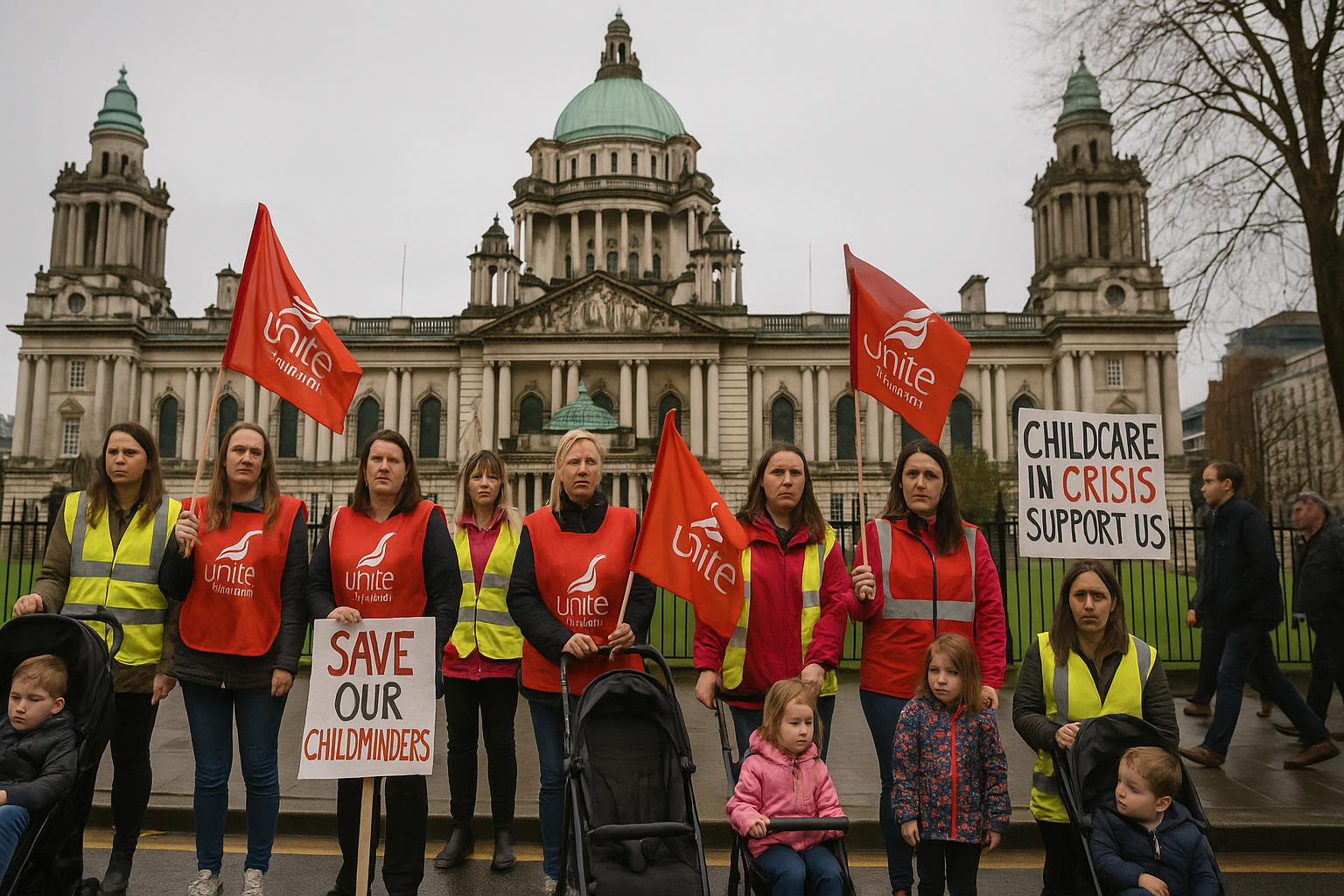
Northern Ireland’s childminding sector is facing an existential crisis, with a new report from the Unite union revealing that 95% of registered childminders believe the viability of their businesses is uncertain. The report, which was published on April 30, paints a bleak picture of a sector that is on the brink of collapse, with potentially devastating consequences for thousands of working parents and their children.
Background
Childminders are a vital part of Northern Ireland’s childcare infrastructure, providing a flexible and affordable option for many working families. There are currently around 4,000 registered childminders in Northern Ireland, and they play a crucial role in enabling parents, particularly mothers, to go out to work. However, the sector has been under increasing pressure in recent years, with rising costs, a lack of government support, and a growing burden of regulation making it increasingly difficult for childminders to make a living.
Key Developments
The new report from Unite has laid bare the scale of the crisis facing the childminding sector. The report, which is based on a survey of registered childminders, found that the vast majority are deeply pessimistic about the future of their businesses. The main causes of this pessimism are a combination of impending tax changes and the fact that childminding ratios in Northern Ireland are more restrictive than in the rest of the UK. Unite’s general secretary, Sharon Graham, has warned that the future of the profession is in doubt and that a mass exodus of childminders from the sector could have a catastrophic impact on the availability of childcare. The report has intensified calls for the Department of Health to release the findings of its consultation on the sector and to take immediate action to address the crisis. The Department has been accused of “dithering” and of failing to recognise the urgency of the situation. For more on this story, see the report from Unite the Union Ireland.
Why It Matters
The collapse of the childminding sector would have a devastating impact on the Northern Ireland economy. It would make it much more difficult for parents to work, and it would have a particularly disproportionate effect on women, who are still the primary caregivers in most families. The crisis in the childminding sector is also a major social issue. High-quality childcare is essential for a child’s development, and a lack of affordable and accessible childcare can have a long-term negative impact on a child’s life chances. The crisis in the childminding sector is a clear sign that the current system of childcare in Northern Ireland is not fit for purpose. As the Belfast Telegraph reports, there is a growing consensus that a new approach is needed, with many calling for a major increase in government investment in the sector.
Local Impact
The crisis in the childminding sector is being felt in every community in Northern Ireland. Many parents are struggling to find a childminder, and those who are lucky enough to find one are often paying a significant portion of their income on childcare fees. The crisis is also having a major impact on the childminders themselves, many of whom are struggling to make a living. The low pay and poor working conditions in the sector are making it increasingly difficult to attract and retain staff, and many childminders are leaving the profession for better-paid jobs in other sectors.
The Childcare Crisis Across the UK
The childminding sector in Northern Ireland has been under pressure for several years, with the number of registered childminders declining steadily as the financial viability of the profession has been eroded by rising costs, regulatory burdens, and inadequate government support. Childminders provide a vital service for working parents, offering flexible, home-based care that is often more affordable and accessible than nursery provision, particularly in rural areas where formal childcare facilities are limited.
The childminding ratios in Northern Ireland are more restrictive than those in England, Scotland, and Wales, limiting the number of children a childminder can care for at any one time. This restriction reduces the income that childminders can earn and makes it more difficult for them to cover their costs, particularly as the cost of living has risen sharply in recent years. The Unite union's report, which found that 95% of registered childminders believe their businesses' viability is uncertain, suggests that the sector is approaching a tipping point.
The impending tax changes that are contributing to the crisis relate to changes in the way that childminding income is taxed, which are expected to increase the financial burden on childminders who operate as sole traders. The Department of Health launched a consultation on the childminding sector in 2025, but the findings of that consultation have not yet been published, leaving childminders in a state of uncertainty about their future. The Unite union's call for the Department to release the consultation findings and take immediate action reflects the urgency of the situation and the very real risk that Northern Ireland could face a significant reduction in childminding capacity at a time when demand for affordable childcare is at an all-time high.
What's Next
The Department of Health is now under intense pressure to act. The Unite union is calling for a series of measures to support the childminding sector, including a new funding model, a review of the childminding ratios, and a crackdown on unregistered childminders. The union is also calling for a public information campaign to raise awareness of the vital role that childminders play in our society. The future of the childminding sector in Northern Ireland is hanging in the balance, and it will require a concerted and sustained effort from all stakeholders to ensure that it survives for future generations.