Northern Ireland MLAs to Receive 27% Pay Rise Amid Public Anger Over £14,000 Increase
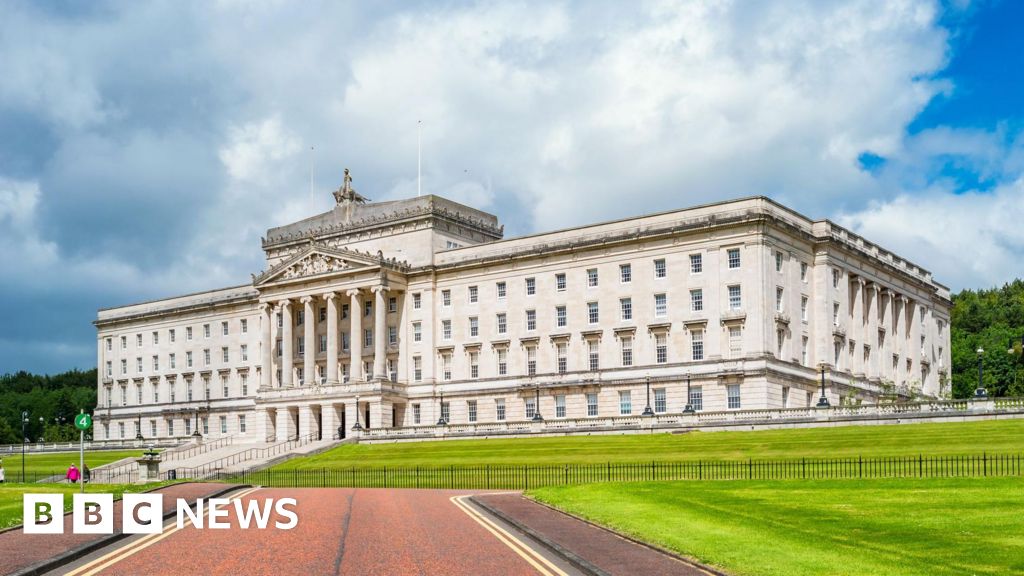
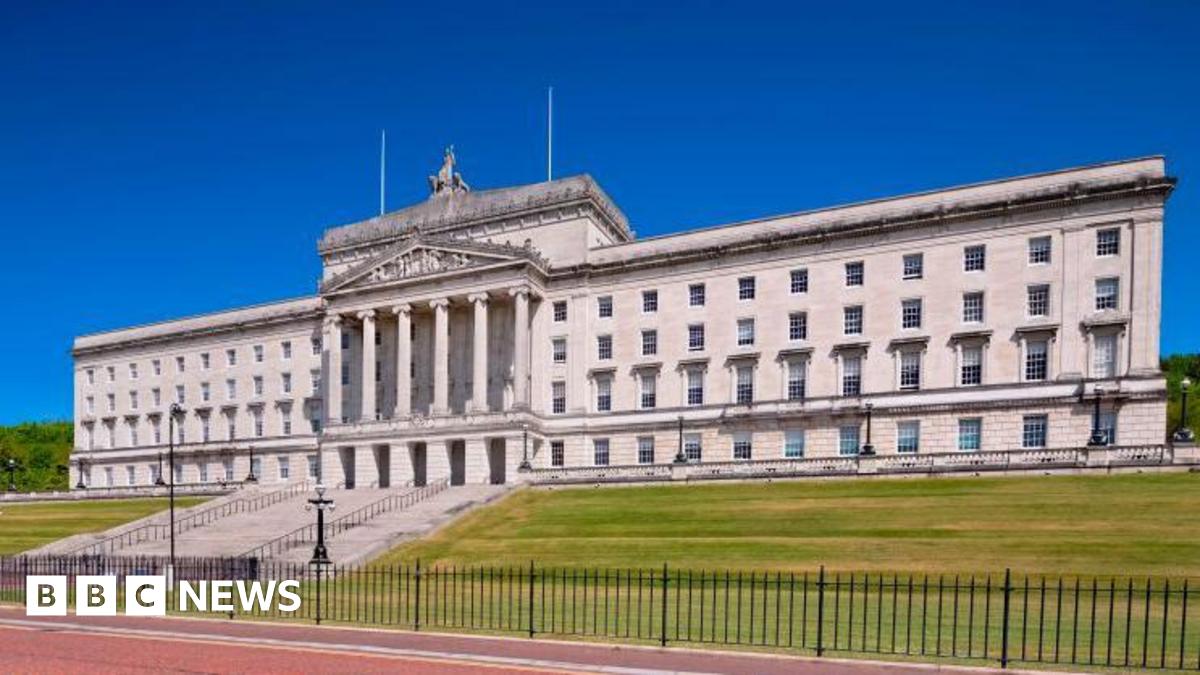
Northern Ireland's 90 Members of the Legislative Assembly are set to receive a 27 per cent pay rise from April 2026, increasing their basic salary from £53,000 to £67,200 — a £14,000 annual increase that has provoked widespread public anger and been described as "excessive" by First Minister Michelle O'Neill, even as she acknowledged that MLAs had no formal power to block the recommendation.
The increase was recommended by the Independent Remuneration Board, the body responsible for setting MLA pay, which argued that the rise is a necessary corrective measure to bring Stormont salaries in line with those of elected representatives in other devolved assemblies across the UK and Ireland. The announcement has been met with fury from public sector unions and ordinary citizens, many of whom have seen their own pay fail to keep pace with inflation in recent years.
Background
The Independent Remuneration Board was established to take the politically sensitive question of MLA pay out of the hands of politicians themselves — a reform designed to prevent the perception that elected representatives were voting themselves pay rises. The board operates independently and its recommendations are binding, meaning that MLAs cannot formally reject the increase even if they wished to do so.
The board's chairman, Alan Lowry, stated that the aim of the increase is to provide MLAs with a level of remuneration that "fairly reflects the complexity and importance of their work and does not deter anyone from seeking election on financial grounds." The board argued that MLA salaries had fallen behind those of their counterparts in the Scottish Parliament, the Welsh Senedd, and the Oireachtas, and that the gap had grown to a point where it risked deterring talented individuals from standing for election.
Northern Ireland's Assembly has had a turbulent recent history, with extended periods of suspension that have complicated the question of MLA pay. During the most recent period of collapse, from February 2022 to February 2024, MLAs received reduced salaries, and the board's recommendation is partly intended to address the cumulative impact of those reductions on the overall pay trajectory.
Key Developments
The political reaction to the announcement has been almost universally negative. First Minister Michelle O'Neill acknowledged that public anger is "understandable" and stated that MLAs had "no part to play" in the recommendation, but her comments did little to defuse the controversy. People Before Profit MLA Gerry Carroll described the pay rise as a "complete disgrace," while TUV MLA Timothy Gaston criticised the lack of "meaningful consultation" with the public before the decision was made.
Public sector unions have been particularly vocal in their condemnation. The Police Federation for Northern Ireland called the proposal a "slap in the face for struggling public sector workers," and the Royal College of Nursing expressed serious concern about the message the increase sends to nurses and other healthcare workers who have fought hard for much smaller pay awards. The chairman of the Police Federation urged MLAs to "forgo the 27% hike" to show solidarity with other workers, though there is no formal mechanism for individual MLAs to opt out of the increase.
The timing of the announcement has compounded the anger. Northern Ireland's public sector has been engaged in a prolonged battle over pay, with workers in health, education, and the civil service all arguing that their salaries have been eroded by years of below-inflation settlements. The contrast between a 27% rise for MLAs and the much smaller increases secured by frontline workers has struck many as deeply unjust.
Why It Matters
The MLA pay rise controversy touches on fundamental questions about public trust in political institutions and the perceived disconnect between elected representatives and the people they serve. At a time when many households in Northern Ireland are still feeling the effects of the cost-of-living crisis, a £14,000 pay increase for politicians — however it is justified on technical grounds — is extraordinarily difficult to defend in the court of public opinion. The Independent Remuneration Board's independence is a genuine safeguard against self-serving decisions by politicians, but it also creates a democratic accountability gap: the public has no direct mechanism to challenge a recommendation that it regards as excessive. That tension is unlikely to be resolved easily, and the controversy will continue to simmer as long as the gap between MLA pay and public sector pay remains so stark. The episode also raises broader questions about how political pay should be set in a society where trust in institutions is already fragile.
Local Impact
For Belfast and Northern Ireland more broadly, the pay rise controversy is a reminder of the fragility of public confidence in the Assembly at a time when Stormont is still rebuilding its credibility after years of dysfunction and collapse. The perception that MLAs are rewarding themselves handsomely while public services remain under-resourced and frontline workers struggle is corrosive to the institution's standing. Political leaders across all parties will need to work hard to demonstrate that the Assembly is delivering tangible benefits for ordinary people if they are to counteract the damage done by this controversy. Actions — on health waiting lists, on the cost of living, on housing — will matter far more than words in rebuilding that trust.
What's Next
The pay rise is set to take effect from April 2026, and barring a successful legal challenge — which appears unlikely given the board's independent status — MLAs will receive the increased salary from that date. The political pressure on individual MLAs to donate a portion of the increase to charity or community causes is likely to intensify in the coming weeks. The Independent Remuneration Board will face calls to review its processes and to build in greater public consultation before making future recommendations of this magnitude. For the Assembly as an institution, the challenge will be to demonstrate through its actions that it is worthy of the confidence — and the salaries — that the public is being asked to accept.
Sources: BBC News — Northern Ireland MLA pay rise | The Independent — Northern Ireland Assembly pay rise controversy