Northern Ireland Economy Grows for Twelfth Consecutive Year as Business Numbers Hit Record 82,680
The number of VAT and PAYE-registered businesses in Northern Ireland has grown by 1.9% to a record 82,680 in the year to March 2026, marking twelve consecutive years of economic expansion and demonstrating the resilience of the region's business base despite the structural challenges and political uncertainties that have characterised the post-Brexit period.
Background
Northern Ireland's economy has demonstrated a remarkable capacity for sustained growth over the past decade, defying the predictions of those who argued that the region's political instability and post-Brexit complications would undermine its economic performance. The twelve consecutive years of business number growth represent a period of consistent expansion that has seen the region's economic base broaden and deepen, with new sectors emerging alongside the traditional strengths in manufacturing, agri-food, and financial services.
Invest NI, the regional economic development agency, has been a central driver of this growth, working to attract inward investment, support indigenous businesses, and develop the skills and infrastructure that underpin a competitive economy. The agency's work spans a wide range of activities, from attracting major multinational investments to supporting small and medium-sized enterprises with export development, innovation funding, and business development advice.
The post-Brexit period has presented particular challenges for Northern Ireland's economy, given the region's unique position as the only part of the UK that shares a land border with the European Union. The Windsor Framework, which governs Northern Ireland's trading relationships with both Great Britain and the EU, has created a complex regulatory environment that businesses have had to navigate carefully. Despite these challenges, the overall trajectory of the economy has remained positive, with the business number growth figures providing a concrete measure of the region's underlying economic health.
Key Developments
The 1.9% growth in registered businesses to 82,680 is the headline figure from the latest economic data, but the detail behind the numbers is equally significant. The growth has been driven by strong performance in the construction sector, which has benefited from sustained demand for housing and commercial development across the region. The financial services sector has also continued to expand, building on Northern Ireland's established reputation as a hub for back-office and technology functions for major financial institutions.
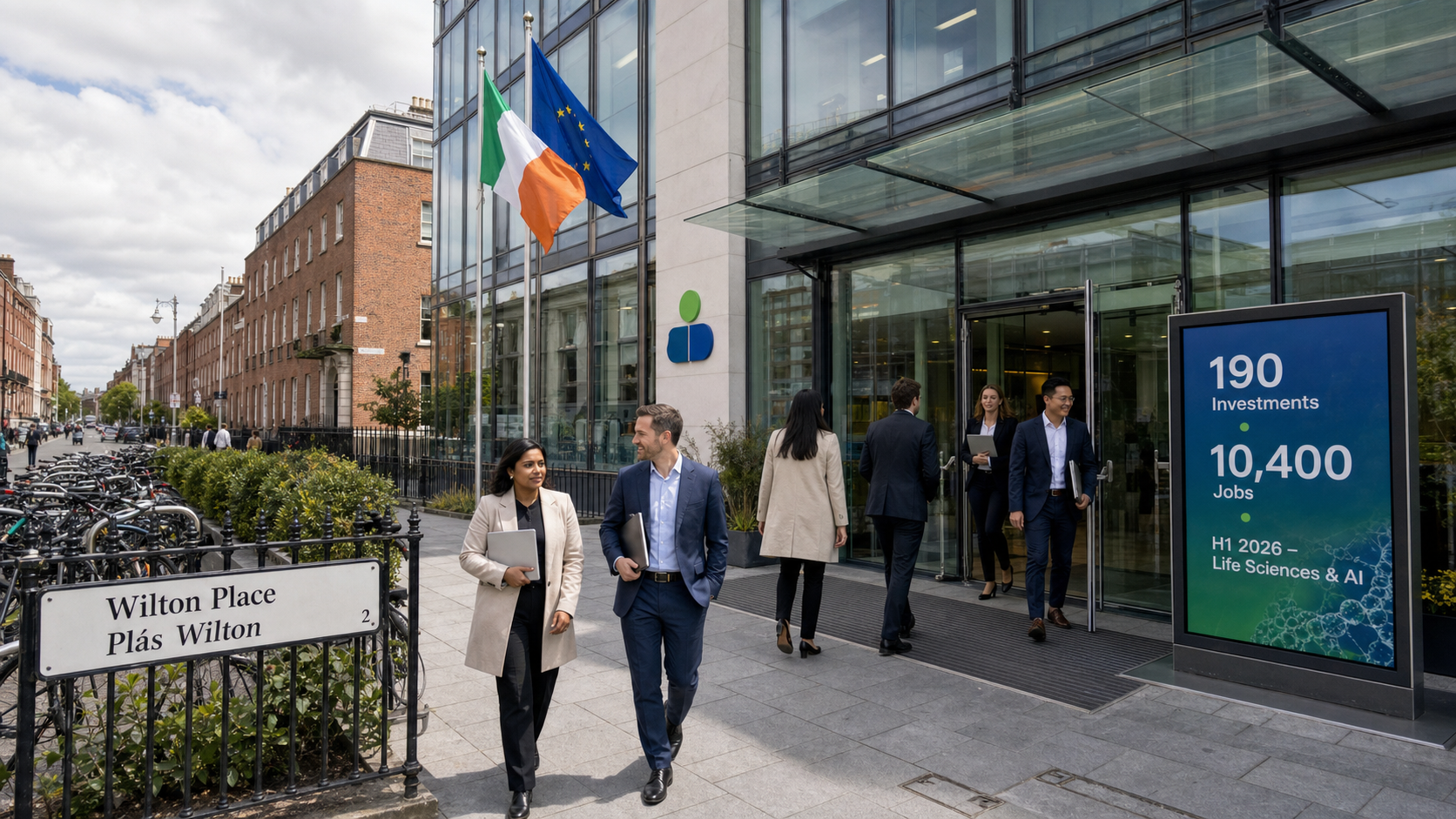
Invest NI's performance in 2025-26 has been strong, with the agency providing support expected to generate £764 million for the local economy and create over 4,300 jobs. These figures represent a significant contribution to the region's economic development, and the agency has highlighted the quality as well as the quantity of the jobs being created, with a focus on attracting investment in high-value sectors that offer well-paid, sustainable employment.
A particularly notable trend in 2026 is the diversification of investment away from an exclusive focus on Belfast. Regional hubs including Derry/Londonderry and Fermanagh are emerging as attractive investment locations, driven by lower property entry prices and strong growth potential. Derry/Londonderry, in particular, is developing as a value-led hub, with property price growth approaching 8.0% and a growing cluster of technology and professional services companies establishing operations in the city. This regional diversification is a positive development for the broader Northern Ireland economy, helping to spread the benefits of growth more evenly across the region.
Why It Matters
The twelfth consecutive year of business number growth matters because it demonstrates that Northern Ireland's economy has genuine underlying strength that persists through periods of political uncertainty and external disruption. The region has navigated Brexit, the collapse and restoration of the Stormont Executive, the COVID-19 pandemic, and the ongoing challenges of the Windsor Framework — and through all of this, its business base has continued to grow. This resilience is a testament to the quality of Northern Ireland's workforce, the strength of its business community, and the effectiveness of its economic development institutions.
The regional diversification trend is particularly significant. For too long, Northern Ireland's economic success has been concentrated in Belfast, with other parts of the region — particularly the west and south — lagging behind. The emergence of Derry/Londonderry and Fermanagh as investment destinations suggests that this imbalance may be beginning to correct, which would be a significant development for the communities in those areas that have historically had fewer economic opportunities.
Local Impact
In Derry/Londonderry, the growing investment interest is being felt in the property market and in the local business community. The city's Ebrington development, which has transformed a former military base into a mixed-use commercial and cultural quarter, has been a catalyst for wider investment in the city centre and surrounding areas. In Fermanagh, the lower property costs and the quality of life offered by the lakeland environment are attracting businesses and workers who might previously have located in Belfast or Dublin. The Northern Ireland Affairs Committee has identified inadequate infrastructure, a slow planning system, and higher energy prices as the key structural challenges that need to be addressed to sustain and accelerate this growth, and the Stormont Executive has indicated it is working on a comprehensive economic strategy to address these issues.
What's Next
Invest NI will publish its full annual report for 2025-26 later this month, providing a detailed breakdown of the investments secured and the jobs created across the region. The Stormont Executive's Department for the Economy is expected to publish a new economic strategy before the end of the year, setting out the government's priorities for economic development to 2030. The Northern Ireland Affairs Committee at Westminster is continuing its inquiry into the structural challenges facing the Northern Ireland economy, with a final report expected in the autumn.