Northern Ireland Becomes First UK Region to Introduce Paid Miscarriage Leave
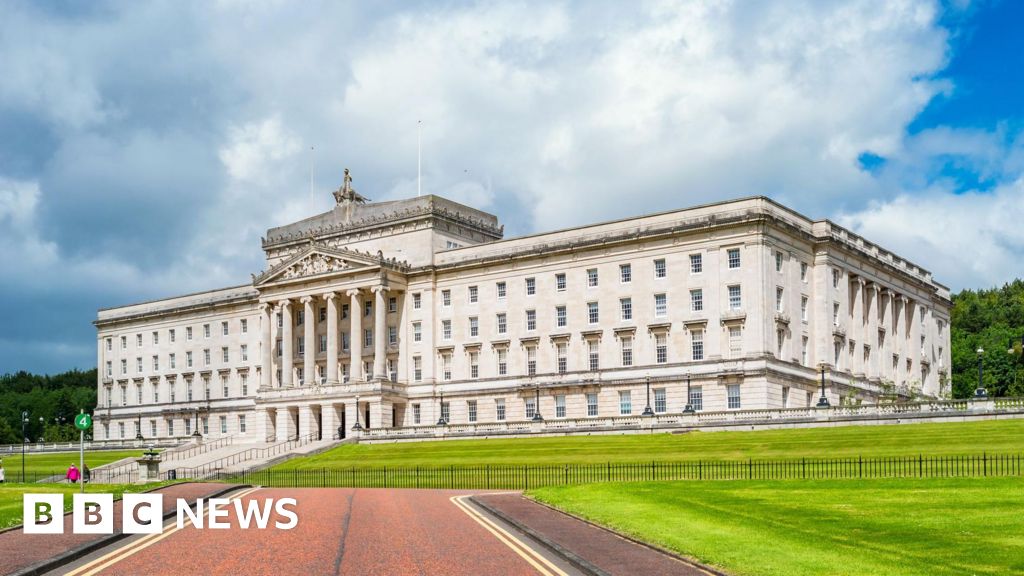
Northern Ireland has become the first part of the United Kingdom to introduce statutory paid miscarriage leave, giving employees two weeks of paid leave from day one of employment following pregnancy loss at any stage. The entitlement, which requires no medical evidence and is available to both the person who experienced the loss and their partner, came into effect on 6 April 2026 — and is significantly more generous than the unpaid leave planned for England, Scotland, and Wales under the Employment Rights Act 2025.
Background
Miscarriage has long occupied an uncomfortable gap in UK employment law. Before this legislation, employees who experienced pregnancy loss before 24 weeks had no statutory right to bereavement leave — they were expected to use sick leave, annual leave, or rely on the goodwill of their employer. The Parental Bereavement Leave and Pay Act 2022 provided some protection for parents who lost a child after 24 weeks, but the earlier stages of pregnancy — where the vast majority of losses occur — were left unaddressed.
Campaigners, led by organisations including the Miscarriage Association and its "Leave for Every Loss" campaign, have spent years pressing for legislative change. Their argument was straightforward: miscarriage is a bereavement, not an illness, and treating it as such in law would both provide practical support to grieving parents and help shift workplace culture towards greater compassion and understanding.
Northern Ireland's devolved government, led by Economy Minister Caoimhe Archibald, took up the cause and delivered. The new legislation builds on the 2022 Act and extends its protections to cover pregnancy loss at any stage — a significant expansion that reflects the reality of how and when pregnancy loss occurs.
Key Developments
The new entitlement is comprehensive in its design. Employees are entitled to two weeks of paid leave at the statutory rate — projected at £194.32 per week from April 2026 — with the right available from the first day of employment. There is no qualifying period, no requirement for a medical certificate, and no means-testing. A self-declaration to the employer is sufficient to access the leave. The two weeks can be taken as a single continuous block or as two separate, non-consecutive weeks, and must be used within 56 weeks of the loss.
The contrast with Great Britain's planned approach is stark. The Employment Rights Act 2025, which received Royal Assent last year, includes a provision for miscarriage leave in England, Scotland, and Wales — but it will be unpaid, limited to a minimum of one week, and is not expected to be implemented until 2027. Campaigners have noted that unpaid leave may be inaccessible for many workers who cannot afford to take time off, potentially limiting its practical impact for those who need it most.
The Northern Ireland legislation is estimated to affect around 9,000 employees annually at a cost of approximately £3.5 million per year to the devolved government — a relatively modest sum for a policy that has been welcomed with near-universal acclaim. Charities, employers, and individuals with personal experience of pregnancy loss have all praised the legislation as a long-overdue recognition of miscarriage as a bereavement.
Why It Matters
The significance of this legislation extends well beyond its practical provisions. By enshrining in law the right to paid leave following miscarriage, Northern Ireland has formally acknowledged that pregnancy loss is a bereavement — a statement that carries profound cultural weight. For too long, employees who experienced miscarriage were expected to return to work within days, often without any acknowledgement of their loss from their employer. The new law changes that expectation and, in doing so, creates space for a more honest and compassionate conversation about pregnancy loss in the workplace.
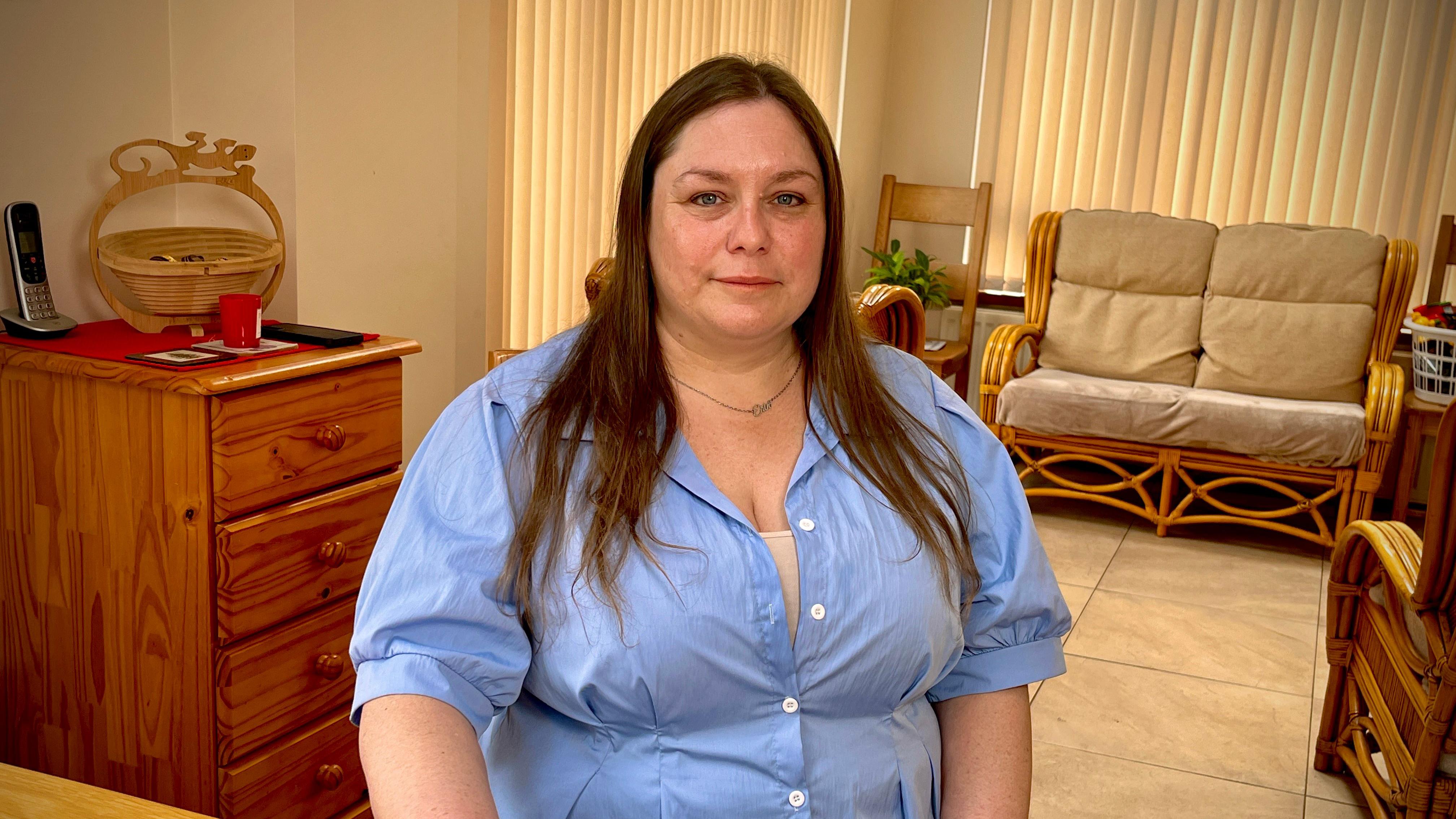
Erin Sharkey, a volunteer with the Miscarriage Association, said the law would "give people the validation for their feelings, and time to process the loss together." Selina Casey, founder of the baby loss counselling charity White Butterfly Foundation, highlighted the therapeutic benefit for couples, suggesting the shared time off could "save relationships" by preventing misaligned grief. These are not abstract benefits — they speak to the lived experience of thousands of families every year.
Local Impact
For Belfast and Northern Ireland more broadly, this legislation is a source of genuine pride. The North has led the way on a workplace rights issue that affects families across the UK, demonstrating that devolved government can deliver meaningful, progressive change. The Northern Ireland Council for Voluntary Action has advised organisations to review their existing bereavement policies and train managers to handle sensitive conversations surrounding pregnancy loss — a practical step that will help embed the spirit of the legislation in workplace culture. The hope is that Great Britain will follow Northern Ireland's lead and upgrade its planned unpaid provision to a fully paid entitlement before the 2027 implementation date.
What's Next
Campaigners are now turning their attention to Westminster, pressing the UK government to match Northern Ireland's standard and introduce paid miscarriage leave across England, Scotland, and Wales. The Miscarriage Association has described the Northern Ireland legislation as a "landmark" and called on the government to "go further" in its own plans. With the Employment Rights Act 2025 still being implemented in phases, there is an opportunity to strengthen the Great Britain provisions before they come into force. The political momentum is there — the question is whether ministers will act on it.
Full details of the Northern Ireland legislation are available from the Department for the Economy. Coverage of the launch is available at BBC News. The Miscarriage Association's response can be read at the Miscarriage Association.