Noah Donohoe Inquest Hears Key Testimony on Culvert Entry and Stolen Laptop as 12th Week Concludes
The inquest into the death of 14-year-old Noah Donohoe has heard significant testimony during its twelfth week of proceedings, with expert witnesses providing their most detailed account yet of how the teenager may have entered the storm drain system where his body was found, while a man convicted of stealing Noah's belongings gave evidence about his movements in the days after the boy disappeared.Background
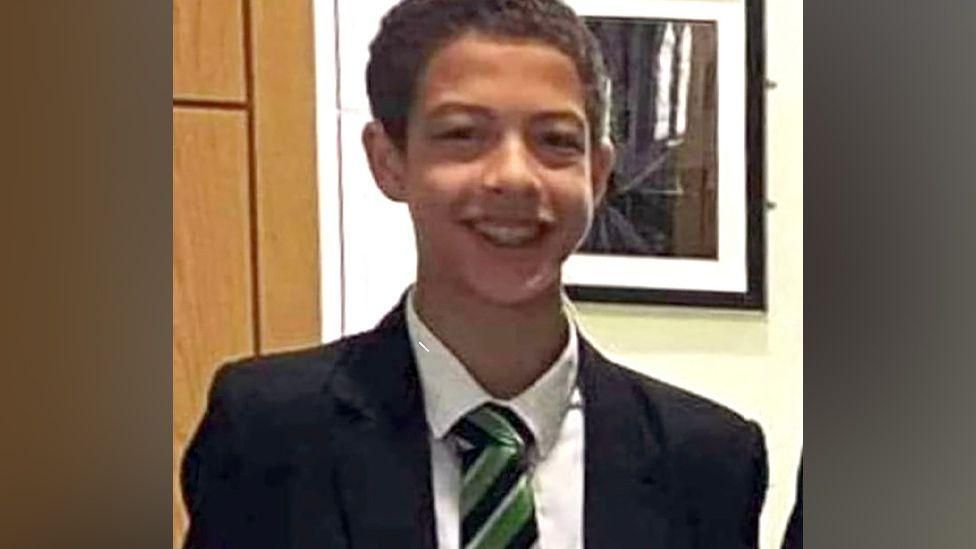
Noah Donohoe was a 14-year-old student from north Belfast who went missing on 21 June 2020 after cycling from his home in the Fortwilliam area. His naked body was discovered six days later inside a storm drain system in the north of the city, in circumstances that have never been fully explained and that have caused immense anguish to his family and the wider Belfast community. The case attracted enormous public attention, with thousands of people joining the search for Noah in the days after his disappearance.
The circumstances of Noah's death have been the subject of intense speculation and controversy. His mother, Fiona Donohoe, has campaigned tirelessly for a full public inquiry into the circumstances of her son's disappearance and death, arguing that the initial police investigation was inadequate and that key questions remain unanswered. The inquest, which began in 2025 and is expected to continue for several more months, is the most comprehensive examination of the evidence to date.
The inquest has heard evidence from dozens of witnesses, including police officers involved in the search, technical experts who have examined Noah's digital devices, and individuals who were in the area at the time of his disappearance. The proceedings have been followed closely by Noah's family, the Belfast community, and the wider public, with each week of testimony adding new details to the picture of what happened in the days surrounding his death.
Key Developments
During the twelfth week of proceedings, civil engineer Brian Pope testified that it was "most likely" Noah gained access to the drain network through the bars of a culvert entrance near Premier Drive, noting an approximate 180-millimetre gap between the bars that would be sufficient for a young person to squeeze through. Risk assessment expert Dr Mark Cooper found a photograph of an adult squeezing through the same bars to be "very persuasive" evidence supporting this theory.
Daryl Paul, who pleaded guilty to stealing Noah's rucksack containing his laptop, gave evidence during the week. He called rumours that he also had Noah's coat "ridiculous" and stated he was "upset" by threats he and his family had received. Paul admitted to lying to police about his intentions for the laptop but insisted he had "nothing to do with the death and disappearance" of Noah. Brenda Campbell KC, counsel for Fiona Donohoe, questioned Paul about multiple missed calls from Noah's mother to his phone after his disappearance, implying that whoever possessed the phone would have known a frantic search was underway. Paul maintained he did not have the phone. Technical analyst Simon Young testified that examination of Noah's phone and Chromebook found no evidence of bullying, concerning interests, or communication with a third party that would suggest foul play.
Why It Matters
The Noah Donohoe inquest matters because it represents the most thorough examination of a case that has haunted Belfast for six years. For Fiona Donohoe and her family, the inquest is the culmination of years of campaigning for answers about what happened to her son. For the broader Belfast community, the case has become a touchstone for questions about the adequacy of police investigations, the treatment of bereaved families, and the transparency of public institutions. The testimony about the culvert entry point is significant because it provides the most credible explanation yet for how Noah came to be inside the storm drain system — a question that has been central to the mystery surrounding his death. The evidence about the stolen laptop and phone, meanwhile, continues to raise questions about the movements of individuals in the area at the time of Noah's disappearance, even as the technical evidence suggests no direct involvement of third parties in his death.
Local Impact
For the north Belfast community where Noah lived and died, the inquest proceedings are a weekly reminder of a tragedy that touched every family in the area. The Fortwilliam estate, where Noah's family lives, and the north Belfast streets where he cycled on the night of his disappearance are familiar to thousands of local residents who have followed the case from the beginning. The inquest has also had a broader impact on public awareness of the dangers of storm drain systems in urban areas, with Belfast City Council reviewing its inspection and maintenance procedures for drainage infrastructure in the wake of the case. For Fiona Donohoe, each week of testimony brings her closer to the answers she has been seeking — though the inquest's findings, when they are eventually published, may not provide the definitive resolution that she and her family deserve.
What's Next
The inquest is expected to continue for several more months, with further expert witnesses and potentially additional lay witnesses still to give evidence. The coroner will then consider all of the evidence before delivering findings on the circumstances of Noah's death. Fiona Donohoe's legal team has indicated that they will continue to press for answers on all outstanding questions, including the movements of individuals in the area at the time of Noah's disappearance and the adequacy of the initial police response. Watch for the next week of inquest proceedings, scheduled to begin on 4 May 2026, which is expected to hear further technical evidence about the storm drain system and Noah's movements on the night of his disappearance.
Sources: Belfast Live — Noah Donohoe inquest 12th week; BBC News — Noah Donohoe inquest