NI's Mental Health Crisis: Prisoners Released Without Treatment as Community Waiting Lists Stretch to Two Years
Northern Ireland's health trusts are warning of a deepening mental health crisis that is leaving vulnerable people without access to the care they need, with nearly 100 prisoners at Maghaberry Prison awaiting psychologist appointments that will not be fulfilled before their release dates, and community mental health waiting lists in some areas stretching to more than two years — a situation that health professionals describe as a humanitarian failure with serious consequences for individuals, families, and communities across the province.
Background
Northern Ireland's mental health services have been under severe strain for many years, a consequence of chronic underfunding, workforce shortages, and the particular legacy of the Troubles, which left a significant proportion of the population with trauma-related mental health conditions that have never been adequately addressed. The Bamford Review of Mental Health and Learning Disability, published in 2007, set out a comprehensive framework for transforming mental health services in Northern Ireland, but its recommendations have been only partially implemented in the nearly two decades since.
The current crisis has several dimensions. In the community, waiting lists for access to psychological therapies — including cognitive behavioural therapy, which is the evidence-based treatment of choice for conditions including depression, anxiety, and PTSD — have grown to the point where many people are waiting more than two years for an initial appointment. In some areas, including parts of the Western Health and Social Care Trust, which covers Derry/Londonderry, Tyrone, and Fermanagh, the wait is even longer.
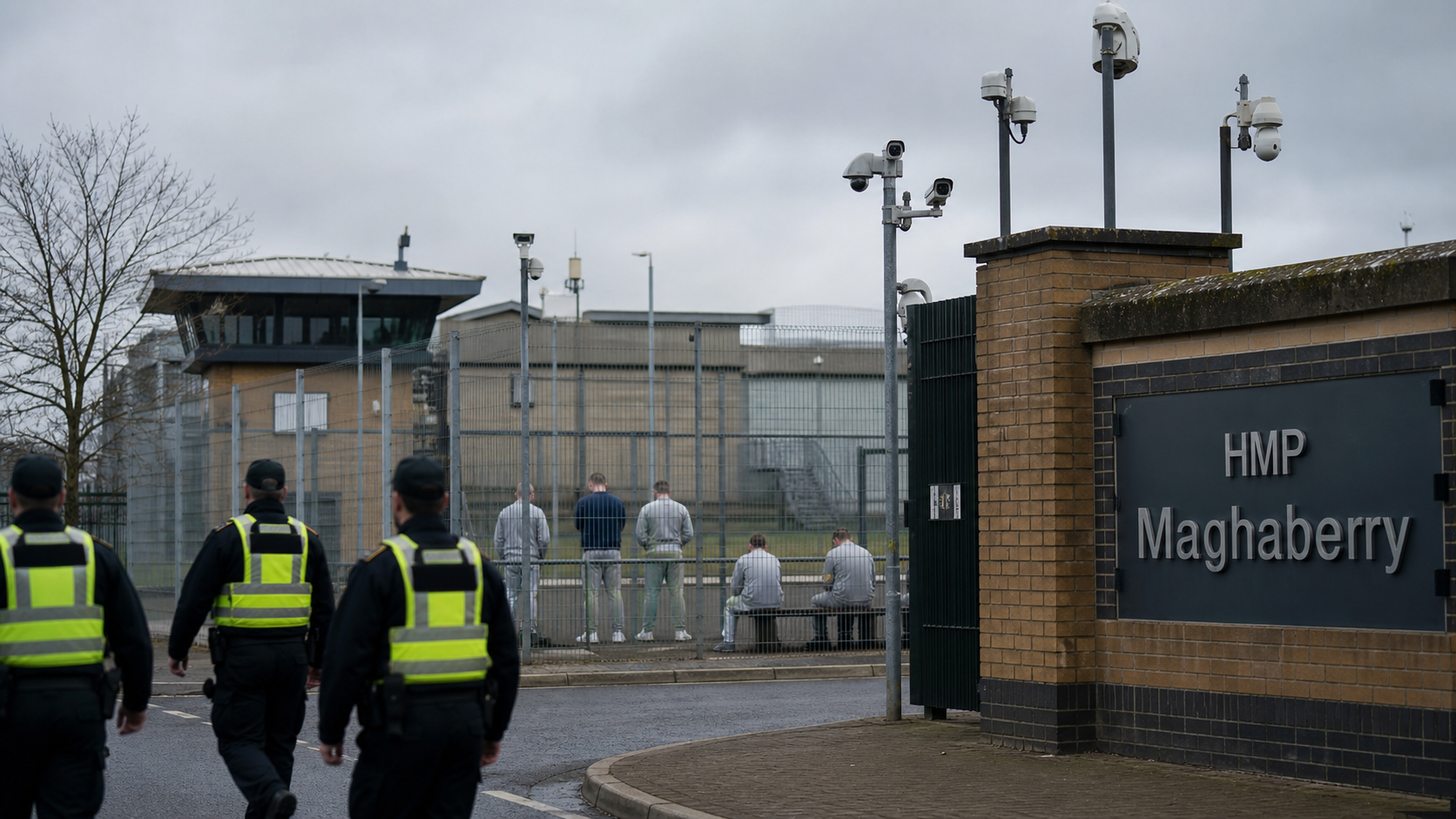
In the prison system, the situation is particularly acute. The combination of the remand crisis at Maghaberry — where nearly 70% of inmates are unconvicted — and the shortage of forensic psychologists has created a situation in which prisoners who have been assessed as needing psychological treatment are being released without having received it. The consequences for public safety, as well as for the individuals concerned, are potentially serious.
Key Developments
The latest figures from the Northern Ireland Prison Service confirm that nearly 100 prisoners at Maghaberry are currently awaiting psychologist appointments that are unlikely to be fulfilled before their release dates. The Prison Service has acknowledged the problem and has indicated that it is working with the health trusts to increase the availability of psychological services within the prison, but progress has been slow.
The five health trusts — Belfast, South Eastern, Southern, Western, and Northern — are collectively facing a £800 million funding gap that is forcing them to make difficult choices about which services to prioritise. Mental health services, which are not subject to the same political pressure as acute hospital services, have historically been among the first to face cuts when budgets are tight. The trusts have warned that the current level of underfunding is unsustainable and that without additional resources, waiting lists will continue to grow.
The situation has been compounded by a dispute over the use of agency staff in mental health services. The trusts have been attempting to reduce their reliance on expensive agency workers — who can cost up to three times the salary of a permanent employee — but the cuts have in some cases reduced the capacity of services rather than improving their efficiency. Unions representing mental health workers have staged protests at several hospitals, arguing that the cuts are putting patients at risk.
Why It Matters
The mental health crisis in Northern Ireland matters for reasons that go beyond the immediate suffering of those on waiting lists. Untreated mental health conditions have cascading consequences — for employment, for family relationships, for physical health, and for the criminal justice system. The evidence that prisoners are being released without the psychological treatment they need is particularly alarming, because it suggests that the system is failing at precisely the point where intervention could prevent future harm.
The Troubles legacy dimension of the crisis is also significant. Northern Ireland has a higher prevalence of PTSD and other trauma-related conditions than comparable populations in Great Britain, a consequence of the conflict that ended nearly three decades ago but whose psychological effects continue to be felt. The failure to adequately resource mental health services is, in this context, not merely a health policy failure but a failure to honour the commitments made in the peace process to address the legacy of the conflict.
The contrast with the Republic of Ireland, which has invested significantly in mental health services through the Sláintecare reform programme, is stark. While the HSE's mental health services are far from perfect, the level of investment and the pace of reform in the Republic have been significantly greater than in Northern Ireland, where the absence of a functioning Executive for extended periods has hampered strategic planning and investment.
Local Impact
The impact of the mental health crisis is felt across all five health trust areas, but it is particularly acute in the Western Trust, which covers some of the most deprived communities in Northern Ireland. In Derry/Londonderry, where the legacy of the Troubles is particularly pronounced and where rates of poverty and unemployment remain high, the demand for mental health services is intense and the capacity to meet it is severely constrained. The Southern Trust, which covers Armagh, Down, and parts of Tyrone and Fermanagh, has also reported significant pressures, with waiting lists for child and adolescent mental health services (CAMHS) among the longest in the province. GPs across Northern Ireland have reported that they are increasingly being asked to manage mental health conditions that should be treated by specialist services, a situation that is placing unsustainable pressure on primary care.
What's Next
The Department of Health is expected to publish a new mental health strategy for Northern Ireland before the end of the year, setting out a framework for investment and reform over the next five years. The strategy is expected to include proposals for reducing waiting lists, expanding the mental health workforce, and improving the integration of mental health services with primary care and the criminal justice system. The Stormont Executive's health committee has called for an emergency debate on the mental health crisis, and the Minister of Health has indicated that he will make a statement to the Assembly in October. The trusts have also indicated that they will be making a submission to the Department of Finance's spending review, arguing that mental health services must be protected from further cuts.