NI Dental Crisis: Less Than 44% of Adults Have NHS Dentist as Emergency Demand Overwhelms System
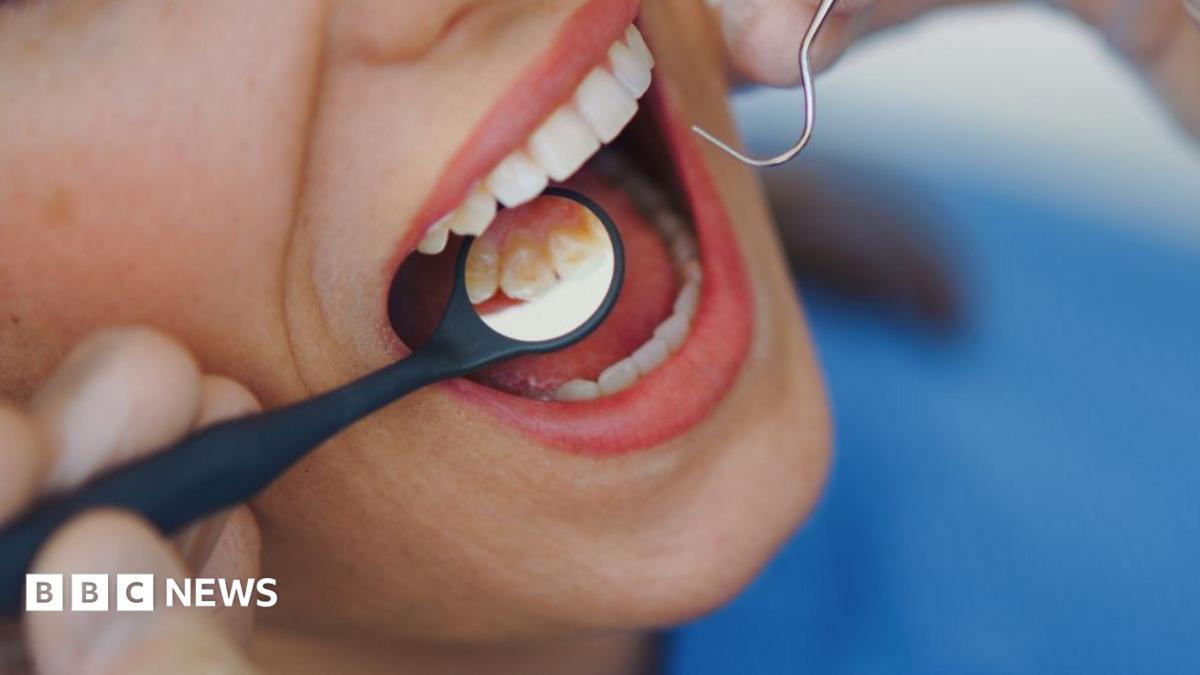
Northern Ireland's dental care system has reached a point of critical failure, with less than 44% of adults registered with an NHS dentist and no practice in the region currently accepting new NHS patients, according to the British Dental Association. Approximately 1,400 people contact the Department of Health annually seeking emergency dental treatment, and the BDA warns that practices are delivering NHS care at a financial loss — receiving approximately £90 per hour while costs run at £145 — a gap that is driving dentists out of the NHS system entirely.
Background
Northern Ireland's dental care system has been under severe strain for several years, with a combination of funding shortfalls, workforce pressures, and structural problems in the NHS dental contract creating a crisis that has left hundreds of thousands of people without access to routine dental care. The problem is not unique to Northern Ireland — similar pressures exist in England, Scotland, and Wales — but the scale of the collapse in patient registrations in the north is particularly acute.
The NHS dental contract in Northern Ireland, which governs the terms under which dentists provide publicly funded care, has been widely criticised by the profession as financially unviable. The BDA has argued for years that the contract does not adequately reflect the true cost of providing dental care, and that the gap between funding and costs has widened significantly in recent years as inflation has driven up practice overheads. The result has been a steady exodus of dentists from the NHS system, with many practices either going fully private or closing their NHS lists entirely.
The Department of Health published a Cost-of-Service review in September 2026, but the review did not provide an immediate funding package or a concrete timetable for resolving the collapse in registrations. Health Minister Robbie Butler has requested that officials identify options to address the findings, but current investment levels have been described as unaffordable given the pressures on the overall health budget.
Key Developments
The Newsletter reported on 17 September 2026 that the dental crisis had reached a new low, with the BDA confirming that no practice in Northern Ireland is currently accepting new NHS patients. The registration rate of less than 44% of adults — down from approximately 60% a decade ago — means that more than half of the adult population has no access to routine NHS dental care. In the 2024-25 period alone, more than 33,000 registrations lapsed in the Upper Bann constituency alone, illustrating the scale of the problem at a local level.
The emergency demand figures are particularly alarming. Approximately 1,400 people contact the Department of Health annually for help accessing emergency dental treatment, and in the 2025-26 financial year, 70% of the 2,000 queries received by the Department regarding dental care concerned access to emergency services. This means that for many people in Northern Ireland, the only dental care available to them is emergency treatment for acute pain — a situation that is both clinically and humanly unacceptable.
The BDA has called for an immediate emergency funding package to stabilise the NHS dental system, arguing that without intervention, the number of practices providing NHS care will continue to fall and the registration rate will decline further. The organisation has also called for a fundamental reform of the NHS dental contract to make it financially viable for practices to provide NHS care.
Why It Matters
The dental crisis in Northern Ireland matters because poor oral health is not merely a cosmetic problem — it is a significant public health issue with links to cardiovascular disease, diabetes, and other serious conditions. The collapse of NHS dental provision means that the burden of dental disease is falling disproportionately on the most vulnerable members of society: those who cannot afford private care and who have no access to NHS treatment. Children are particularly affected, with rates of tooth decay in Northern Ireland among the highest in the UK. The crisis also has significant economic implications, as untreated dental problems lead to lost working days, emergency hospital admissions, and long-term health complications that place additional pressure on an already stretched health system. The failure to address the dental crisis is, in effect, a choice to allow a preventable public health problem to worsen — a choice that will have consequences for decades to come.
Local Impact
The impact of the dental crisis is felt across all six counties, but is particularly acute in areas with higher levels of deprivation, where the proportion of people who cannot afford private dental care is highest. In north and west Belfast, in Derry's Bogside and Creggan, in parts of Newry and Armagh, and in rural areas of Fermanagh and Tyrone, the collapse of NHS dental provision has left communities without access to basic oral healthcare. The Southern Health and Social Care Trust, which covers Armagh, Banbridge, Craigavon, and Newry, has reported a significant increase in emergency dental presentations at its facilities, placing additional pressure on already stretched services. Community health workers across Northern Ireland have highlighted the dental crisis as one of the most pressing health inequalities facing their communities.
What's Next
Health Minister Robbie Butler is expected to bring proposals for addressing the dental crisis to the Executive before the end of 2026, following the completion of the Department's review of the Cost-of-Service report. The BDA has indicated it will continue to press for an emergency funding package and for fundamental reform of the NHS dental contract. The Assembly's Health Committee is expected to hold a dedicated session on the dental crisis in October 2026, with the BDA, the Department of Health, and patient representatives all expected to give evidence.